Intense diplomacy behind the scenes: US and Iran reportedly close to a deal. Pakistan army chief in Tehran

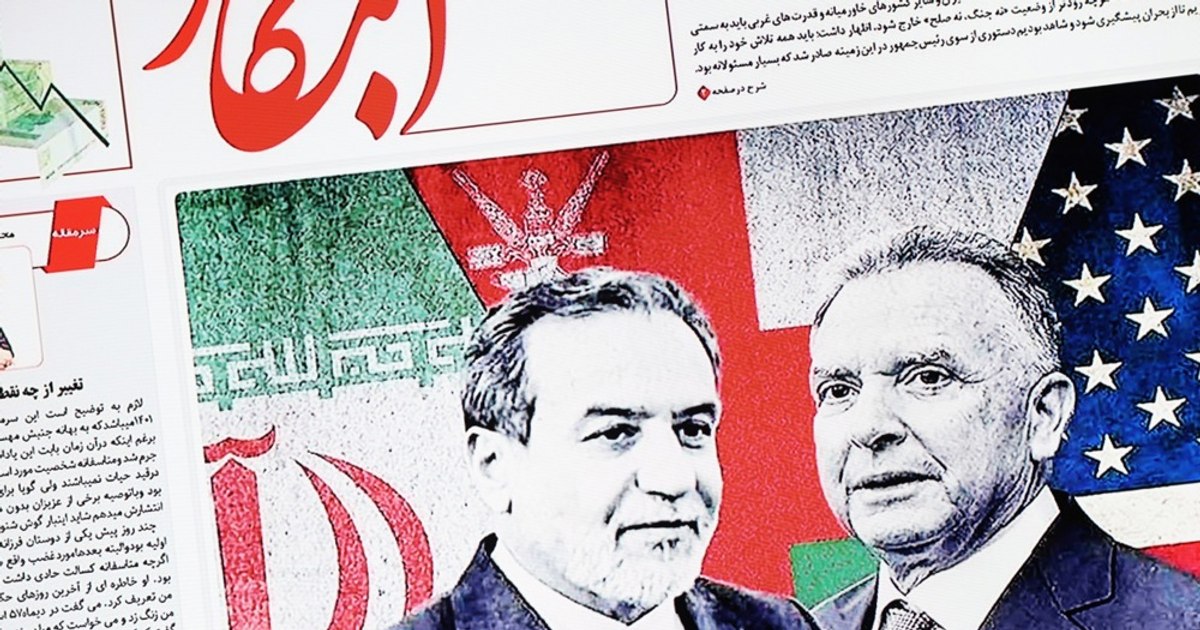
The US and Iran made progress in negotiations on Tuesday, moving closer to a possible framework agreement to end the conflict, according to two US officials cited by Axios.
The talks are taking place in a tense context as the two sides, supported by mediators from Pakistan, Egypt and Turkey, try to overcome remaining differences before the current ceasefire expires on April 22.
As part of these intense diplomatic efforts, a Pakistani delegation led by Army Chief Marshal Asim Munir arrived in Tehran on Wednesday for direct talks with Iranian officials. However, sources close to the negotiations warn that an agreement is not guaranteed given the significant differences between the parties. “Let's wait and see if we can reach an agreement. We are optimistic and therefore trying to push things forward with both sides,” a Pakistani official said.
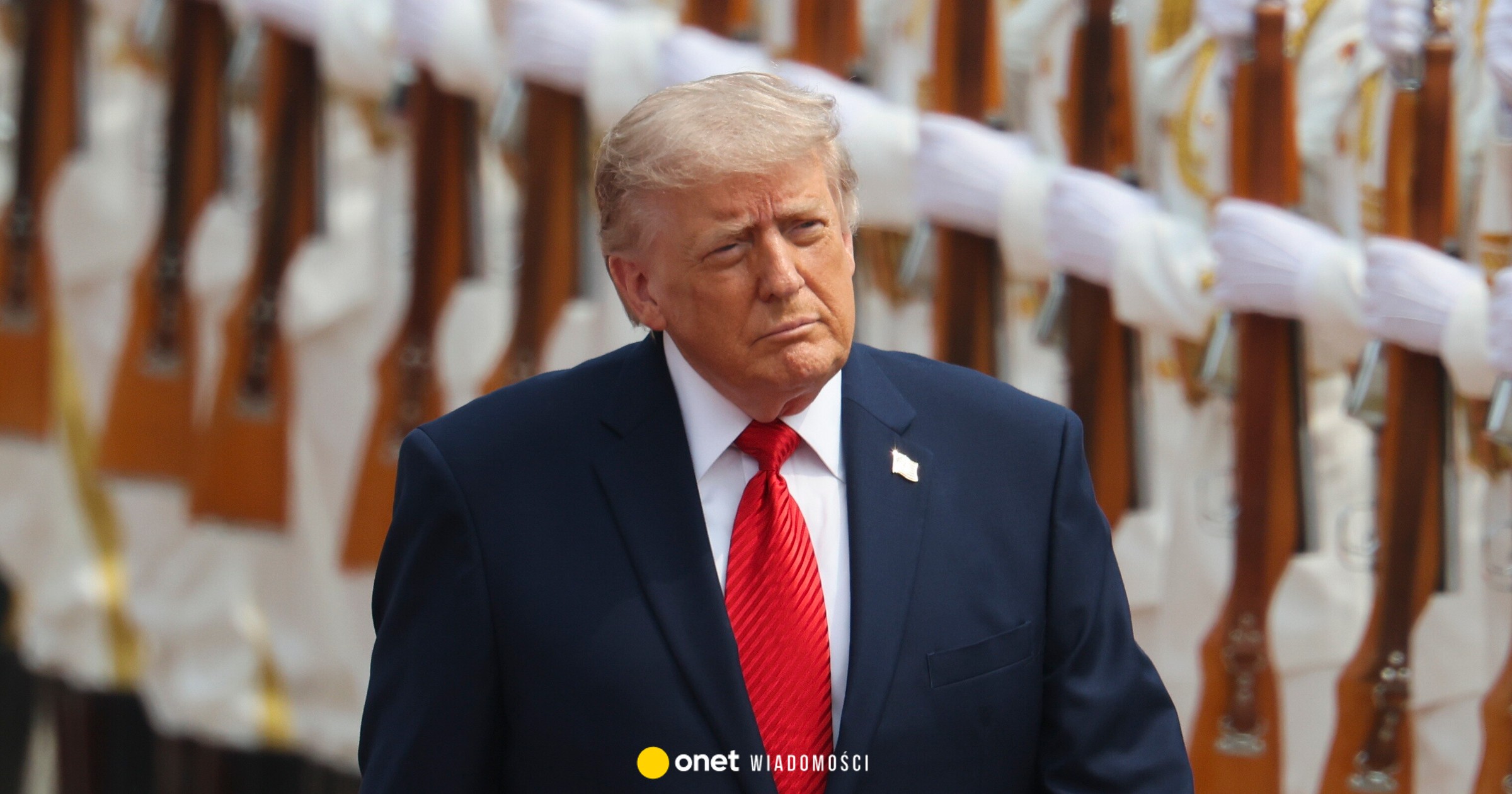
Behind the scenes, President Donald Trump's negotiating team – made up of Vice President JD Vance, White House envoy Steve Witkoff and adviser Jared Kushner – continued exchanging proposals and telephone discussions with the Iranian side and mediators on Tuesday. “They have been on the phone and communicating through unofficial channels with all the countries involved and are getting closer to an agreement.”a US official revealed.
A second official confirmed the progress on Tuesday, and a third emphasized the difficulty of achieving full consensus within the Iranian leadership: “We want to make a deal. And parts of their government want the same thing. Now the challenge is to get the whole government there to the same table to make the deal.”
A new round of face-to-face talks could take place in the coming days before the truce expires, but no exact date has been set. Vice President Vance, who led the initial talks in Pakistan last week, said at an event in Georgia: “I think the people we're sitting at the table with want to come to an agreement … I have positive feelings about the direction we're going.” His statement is revealing, as the negotiations do not directly involve Iran's supreme leader, Mojtaba Khamenei.
According to US officials, if a framework agreement is reached, the truce should be extended to allow the details of a comprehensive deal to be negotiated. “The details are complicated – you can't do it in two days,” an official explained. Another official stated that “The US has not formally agreed to an extension of the ceasefire”but confirmed that the dialogue is continuing.
The blockade of the Strait of Hormuz puts additional pressure on Iran's economy
The pressure on Tehran is amplified by the naval blockade imposed by the Trump administration, which has drastically reduced Iran's oil exports amid a deepening economic crisis.
“Iran has no money. They're broke. We know it. And they know we know it.” a US official said. Currently, Iran exports about 1.5 million barrels of oil per day, generating revenues of about $140 million, but “a blockade would reduce these revenues to zero overnight,” according to former sanctions expert and current analyst at the Foundation for Defense of Democracies, Miad Maleki.
Kharg Island, where Iran exports about 90% of its oil, would become virtually non-functional under the blockade. “We must not invade Kharg now. We can just strangle her”a US administration official commented.
Officials note that without exports and storage capacity, Iran may be forced to halt oil production, causing long-term economic damage. “What does it mean that Iran, a country known for its oil, can no longer produce oil? It will be worse than Venezuela under Maduro”an official observed in the same context.
Iran's economy was already under pressure before the war due to harsh US sanctions that led to high unemployment, fuel shortages and food inflation. The war worsened the situation: American and Israeli airstrikes closed the country's two largest steel plants and paralyzed the petrochemical industry.
At the same time, Bank Sepah, the state financial institution that handles the payment of military and Revolutionary Guards salaries, is a frequent target of Israeli cyber attacks, and its digital security center was hit by a rocket attack last month. In addition, the internet blackout in Iran, which has reached 47 days, generates economic losses of about 50 million dollars per day.