Hungary is heading towards the euro after the elections. Peter Magyar focuses on integration

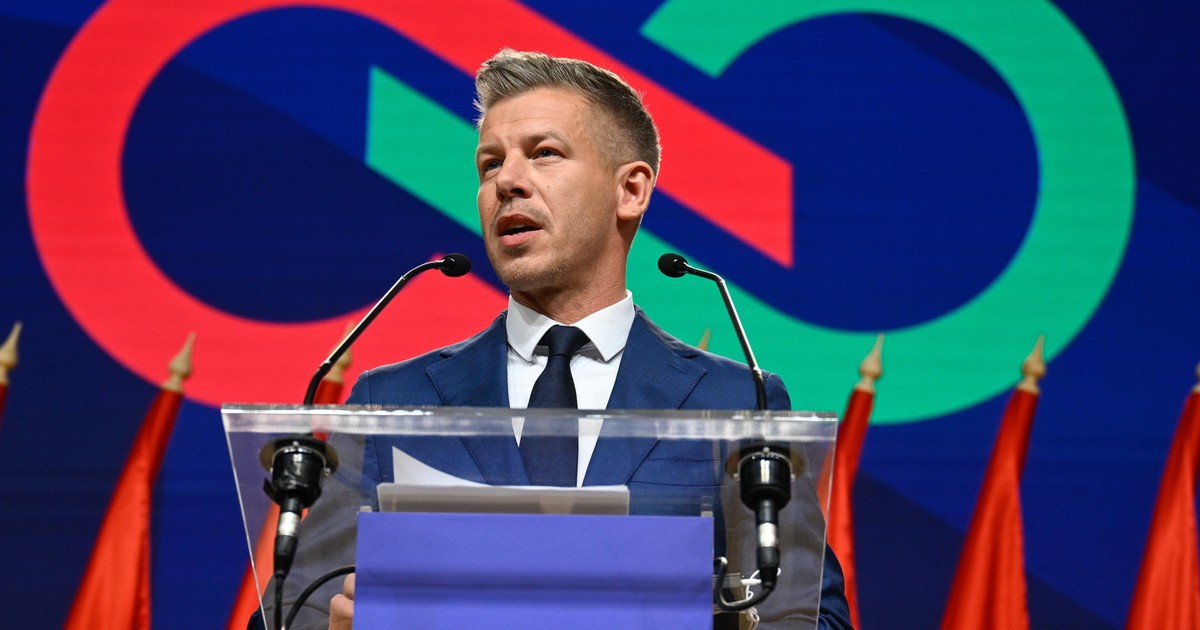
Magyar, who announced during the election campaign “Hungary's return to Europe”, clearly indicated that adopting the euro is one of the key goals of his group. During Monday's press conference, the day after the victory, the politician confirmed that his government would strive to replace the forint with the common European currency.
European Commission spokesman Balazs Ujvari recalled that, according to the EU treaties, all Member States, except Denmark, are obliged to join the euro area.
“Of course, individual countries decide on the pace of their adaptation to the common currency, and the schedule is not imposed from above,” Ujvari noted.
Read also: This is why Hungary buys raw materials from Russia. This reason is crucial
He also added that the European Commission publishes a convergence report every two years, assessing the progress of countries in meeting the criteria necessary to adopt the euro. The latest document will be published this summer.
Currently, the euro zone covers 21 European Union countries. The last country to join the euro zone was Bulgaria in early 2024. The remaining six member states, including Hungary, Poland, the Czech Republic, Romania, Sweden and Denmark, still use their own currencies.
To enter the euro zone, countries must meet four convergence criteria. These include price stability (low inflation), stable public finances (budget deficit below 3% of GDP and public debt below 60% of GDP), exchange rate stability (participation in the ERM II mechanism for at least two years without serious exchange rate fluctuations) and convergence of long-term interest rates (the average nominal interest rate can be up to 2 percentage points higher than the average in the three EU countries with the lowest inflation).
Read also: Will the election results in Hungary give a boost to the economy? Blocking funds is its main obstacle
It is worth noting that Magyar's victory in the parliamentary elections has already influenced the country's economic situation. The Hungarian forint strengthened to a level not seen in four years, which may be a signal of a positive reception of the new government's plans by financial markets.