
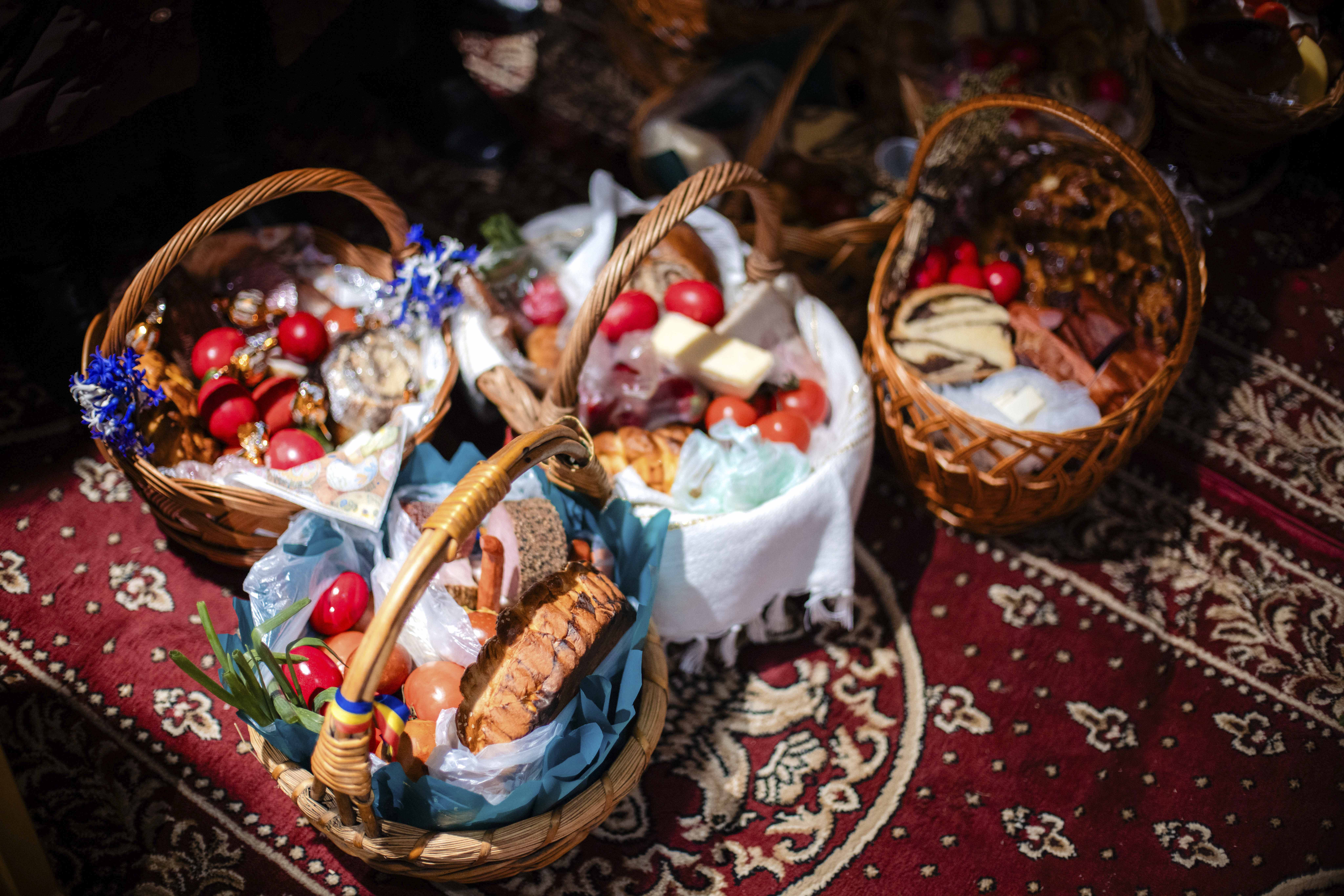
Yesterday started Bright Week, as the first week after the Resurrection of the Lord is called.
The third day of Easter is known in popular tradition as White Tuesday. It is marked with a red cross in the Orthodox Christian calendar and is a day of silence, communion and observance of traditions, where the faithful are urged to preserve the spirit of the Easter celebration.
“The third day of Easter has a special religious and cultural significance. The day is associated with recollection and closeness of soul, being an opportunity for believers to start the morning with prayer, lighting candles and attending church services, as a sign of gratitude and receiving the Easter blessing. The ceremonies of this period have a distinct character, and the Royal Doors of the altar remain open, symbolizing the tomb of Christ and the breaking of the veil of the Temple.
White Tuesday is, at the same time, associated with forgiveness and reconciliation, values that contribute to inner balance and social harmony. For many, this day represents an opportunity to leave tensions behind and strengthen relationships through gestures of goodwill and closeness”, explained priest Marius Oblu, for Digi24.
Orthodox believers are urged to avoid laundry and other demanding household activities in the first days after Easter, the priest explained, adding that “White Tuesday” is dedicated to peace and harmony in the family.
“First of all, activities that involve intense physical effort should be avoided, whether it is household chores or agricultural work. Demanding tasks, such as washing clothes, general cleaning or other activities that require high energy consumption, should be postponed, so that the day remains dedicated to prayer and peace”, the priest stated.
The recommendation is also valid on Friday of the Healing Spring, which is marked with a red cross in the Christian-Orthodox calendar on the first Friday after Easter.
Traditions on “White Tuesday”
On the other days of Bright Week, such as Wednesday, Thursday or Saturday, household chores can be resumed.
Also, during Bright Week there are no paratase or memorial services.
In some areas, such as Moldova, the visits made on the first day of Easter return on the third day.
Also on White Tuesday, in some churches, the breaking of Saint Agnes, the bread consecrated on Maundy Thursday, is later used for communion with the sick, according to Observer News.
In some parts of the country there is also the custom of sharing food. Pasture and red wine are given as alms in memory of the deceased.
According to a lesser-known custom, the crumbs left over from the Easter meal were collected and buried on this day, to bring good luck and abundance to the household, writes Digi FM.


