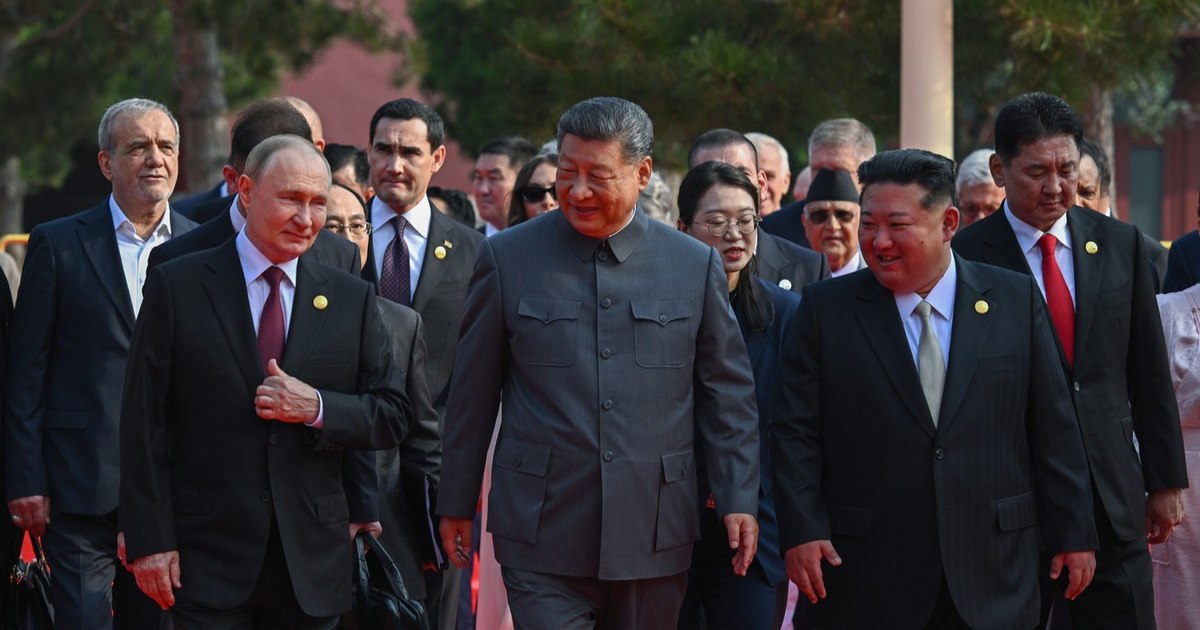
North Korean leader Kim Jong-un was invited to honor at the largest military parade in China's history, carried out in the presence of 26 international leaders. His participation, along with President XI Jinping and Russian counterpart Vladimir Putin, was perceived as a symbolic manifestation of solidarity between the three authoritarian regimes.
Vladimir Putin, Xi Jinping and Kim Jong-un, tighten the rows/photo: Profimedia
For Kim Jong-un, the presence at such an event represents an opportunity to strengthen its international legitimacy and to present, both internally and externally, as an equal actor in global geopolitical games. The moment acquires additional relevance in the context of any negotiations with the United States, suggested by President Donald Trump, but also of the intentions of the new executive from Seoul to restore the relations with the Phenian.
A strategic presence in Beijing
The visit of the North Korean leader to the Chinese capital is loaded with historical meanings. China and North Korea share a deep, consolidated relationship during World War II, when Kim Jong's grandfather was fighting Japan in Manciuria. At the same time, the meeting reflects the current character of the bilateral relationship, marked by a strategic interdependence-China being the main economic and diplomatic partner of the North Korean regime.
In recent years, before and during negotiations with Donald Trump from 2018–2019, Kim Jong-un has visited China four times, looking for Beijing. Recently, the military proximity of the Moscow Phenian has generated speculation on a possible cooling of relationships with China. But the favorable reception and the position of honor offered to the North Korean leader at the Beijing parade suggests a normalization of the relations between the two states, writes Zerkalo Nedeli.
A new regional balance
The change of geopolitical architecture and the common interest in counteracting American influence increase the strategic relevance of North Korea, both for China and for the emerging alliance between Beijing, Moscow and Phenian. This convergence comes as a reaction to the closer proximity between the United States, South Korea and Japan.
The war triggered by Russia in Ukraine catalyzed the proximity between Moscow and Phenian, giving North Korea the opportunity to demonstrate its utility in support of the Russian military effort. The Phenian's decision to abandon the traditional diplomatic balance and to align more firmly with Moscow and Beijing reflects this new geopolitical reality.
For North Korea, participation in the parade in Beijing was also an opportunity to present itself as a close ally of the two great powers, and not an isolated nation. This message is intended to show a more coordinated foreign policy between the three regimes, as well as a common intention to erode the sanctions and international isolation imposed on the Phenian.
Reactions from the US
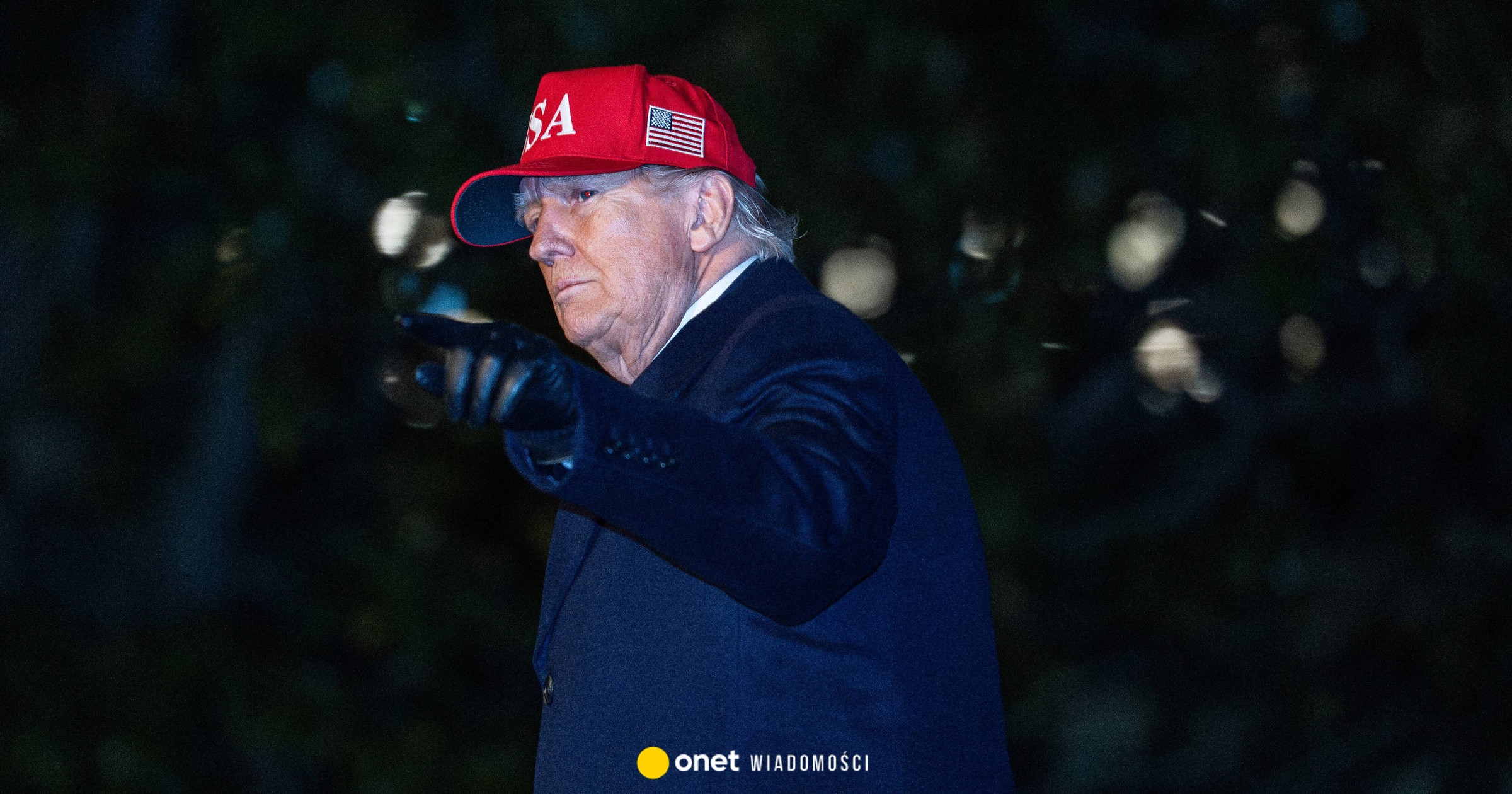
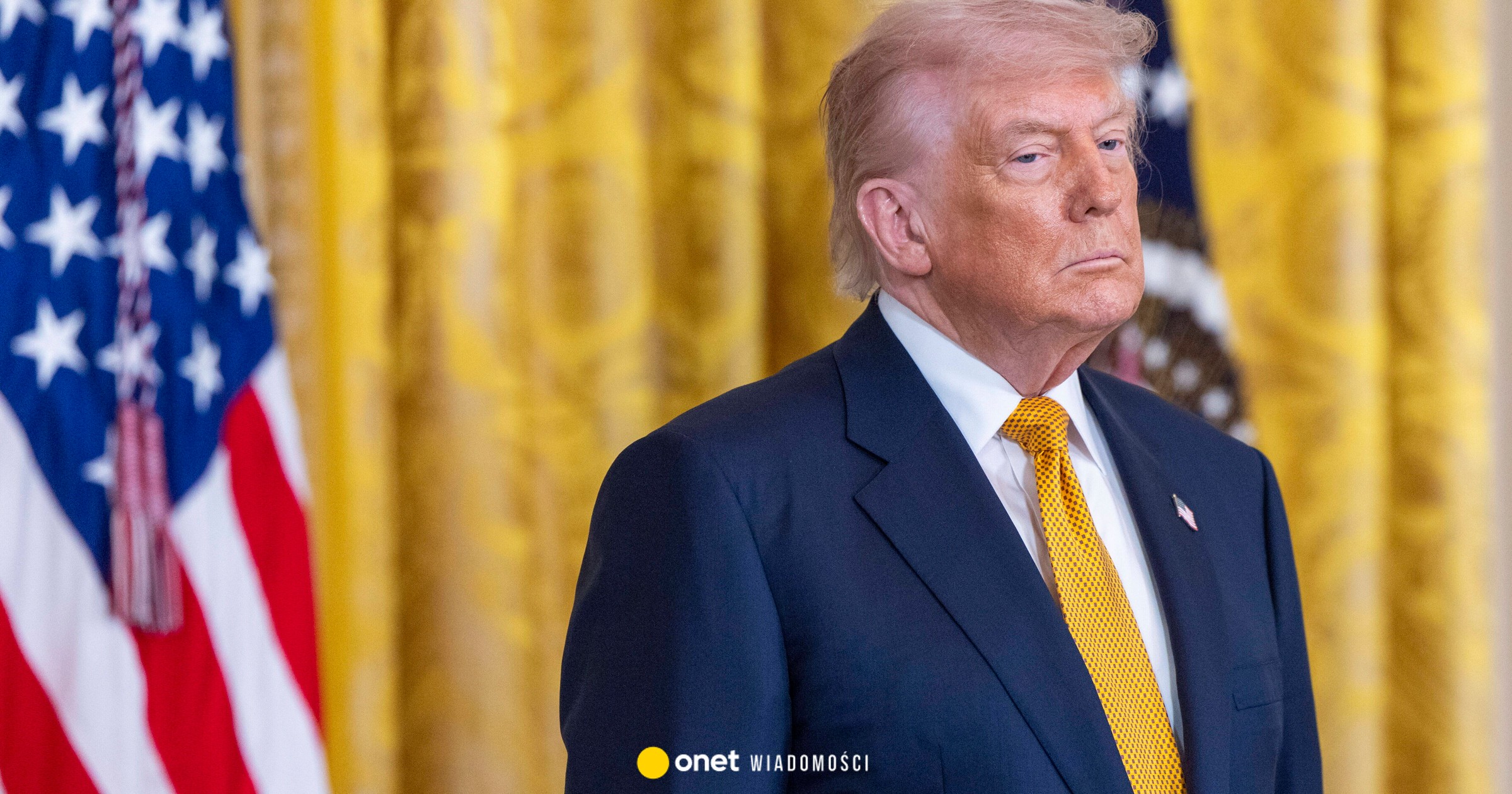
The presence of leaders in China, Russia and North Korea at the Beijing parade did not go unnoticed in Washington. Donald Trump reacted to the Truth Social network, reminiscent of the US contribution to the release of China from foreign occupation and transmitting, in an ambiguous tone, wishes to Xi Jinping, Putin and Kim Jong-un, “while conspiring against the US.”
However, despite these statements, the US president repeatedly claimed that the threat represented by China and his allies is not a serious one, displaying an inconsistent approach to each of the three regimes. This attitude has contributed to the erosion of US credibility in the eyes of international partners and affected Washington's efforts to conclude the Ukraine war or to boost the denuclearization of the Korean peninsula, emphasizes Zn.ua.
A dangerous axis: Phenian – Moscow
In the margin of the Beijing event, Kim Jong-un and Vladimir Putin had an extended meeting of two and a half hours. The Kremlin leader thanked North Korea for sending the military who “contributed to the release of the Kursk region.” Kim described the involvement as a “fraternal gesture” and reaffirmed its unconditional support for Russia.
North Korea has officially confirmed its military involvement in the Ukraine conflict, and according to information from South Korean intelligence, about 2,000 North Korean soldiers would have lost their lives in this war. The Phenian later sent another 6,000 military, including units of geniuses.
Constant support given to Russia highlights the limits of Western influence in this equation. The Moscow -Phenian axis is based not only on transactional exchanges, but on a deep strategic collaboration, strengthened by the personal affinities between leaders and the indirect support of China.
Regional and global implications
Although many analysts from South Korea and the West believe that the Russian-Nord-Korean proximity is temporary and conditioned by the Ukraine war, the recent Phenian actions show a will to go beyond the traditional predictable. An eloquent example is the sending of troops in support of Russia – a difficult gesture to anticipate.
This military experience on the field and technological cooperation with Russia will have long -term consequences for East Asia Security. In the event of a conflict with Seoul, Moscow's support for Phenian becomes an increasingly realistic scenario. Likewise, in the case of a direct confrontation between Russia and NATO, North Korea could become a key ally, providing not only weapons, but also a fighting force-its active army has 1.2 million soldiers, and mobilizing reserves amount to 6.3 million.
In a potential conflict between China and Taiwan, the Phenian could be used to tense the situation on the Korean peninsula, thus complicating the US response. In addition, North Korea has already demonstrated the availability to provide armament to groups close to Iran, such as Hamas, emphasizing the risks of regional or global conflagration.
Seoul reaction and old diplomatic patterns
In this context, Seoul's new administration is trying to relaunch the dialogue with the Phenian. By sending the president of the National Assembly, Woo Won-Shik, in Beijing, the South Korean authorities hoped to open informal communication channels. But the meeting with Kim Jong-un be limited to an exchange of politeness.
Meanwhile, President Lee Jae-Myung has requested Donald Trump's support to relaunch peace in the region and even expressed opening to a possible Trump Tower construction in North Korea-a symbolic gesture meant to encourage a possible new Trump-Kim meeting.
However, the Phenian did not show interest in a resumption of negotiations and completely excluded discussions on denuclearization, considering its status as irreversible. Supported by Russia and China, North Korea feels more confident than ever in its international position.
The parade from Beijing was not only a ceremonial show, but reflects a geopolitical reality in transformation, in which authoritarian regimes unite their forces to challenge the international liberal order. While these alliances are strengthened, the responses of the democratic world seem anchored in outdated strategies and in hopes of compromise with increasingly assertive regimes.