Investors hope that the political change will open the way to a more predictable economic policy and unblocking relations with the European Union.
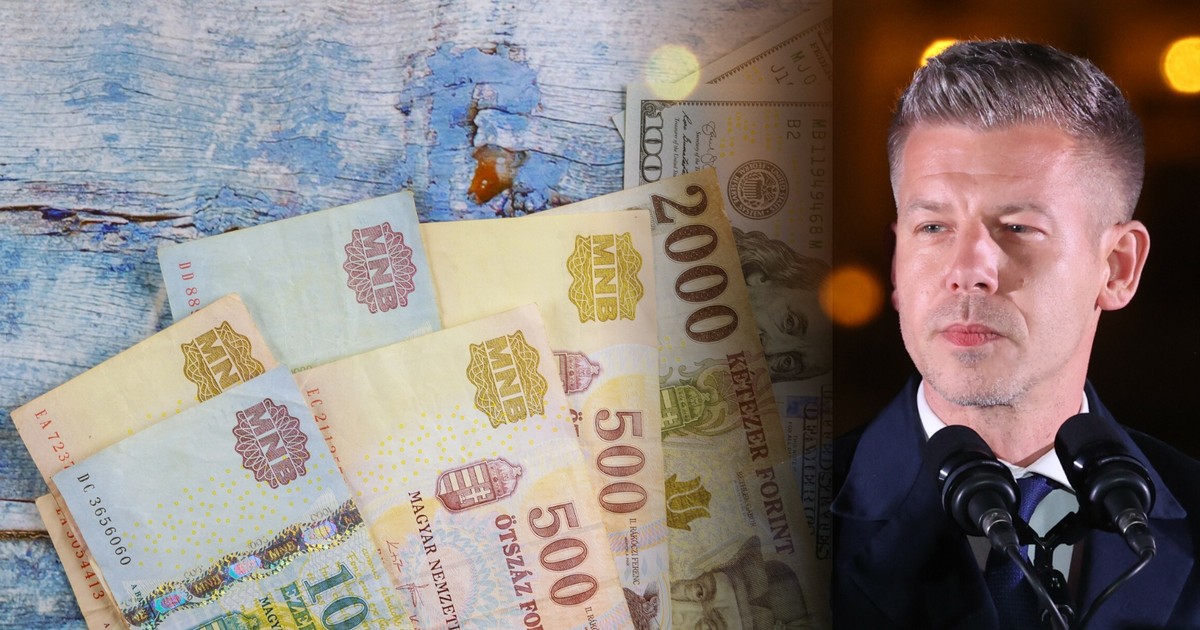
On Monday, the Hungarian currency strengthened sharply, recording one of the strongest daily movements in many months. The forint gained against both the euro and the dollar, which analysts attribute directly to the election defeat of the long-serving prime minister. The forint increased by approximately 2%. to 367.81 per euro due to weak trade in Asia and gained approx. 1.6 percent. to 315 per dollar — just below the four-year high. The Hungarian currency also strengthened against the Polish zloty – to levels not seen since January 2024.
As Reuters writes, not only the vote result itself is of key importance for financial markets, but also the expectation of a change in the direction of economic policy. Investors have long pointed to Budapest's tensions with Brussels, non-standard fiscal decisions and pressure on state institutions as factors weighing down the valuation of Hungarian assets.
- Read also: Will the election results in Hungary give a boost to the economy? Blocking funds is its main obstacle
Bonds and the stock market are also up
The positive reaction was not limited to the currency market. Yields on Hungarian government bonds fell, which means their prices increased, and the Budapest stock exchange index started the week with solid increases.
As Reuters writes, investors are discounting the scenario of a more orthodox macroeconomic policy, greater independence of the central bank and an improved investment climate. Of particular importance are hopes for unfreezing EU funds, which have so far been blocked due to disputes over the rule of law. Peter Magyar's government announced a more pro-European course and fewer conflicts with the EU.
- Read also: Election results in Hungary. The winner talked about Warsaw
Expectations towards the new government
Although the details of the future economic policy of the new government are not yet known, the market assumes a departure from solutions perceived as unfriendly to foreign capital. These include, among others: extraordinary sectoral taxes, regulatory interference and strained relations with EU institutions.
Analysts quoted by Reuters emphasize, however, that the current reaction is pre-emptive and based on expectations, not specific decisions. The durability of the forint's strengthening will depend on the pace of government formation, its program and the first signals sent to foreign markets and partners.
- Read also: Election results in Hungary. “The most optimistic scenario” for the markets
Enthusiasm, but with reservations. Hungary on a new economic path?
Commenting on the situation, some experts are cooling their optimism, pointing to the challenges facing the new team: high inflation, tense fiscal situation and the need to rebuild institutional credibility. They believe that the short-term rally could give way to greater volatility if reforms turn out to be slower or less decisive than the market expects.
“Orban admitted defeat, which means a smooth transfer of power” – Goldman Sachs analysts wrote in a post-election note.
“The Tisza Party has committed to meeting the Maastricht criteria by 2030 to prepare for possible accession to the euro area,” they wrote, referring to the Maastricht Treaty establishing the euro.
“If Hungary is serious about pursuing this goal, one of the first steps in the euro convergence program would be to lower Hungary's inflation target from the current 3% to 2% in the euro zone, which would mean a significant decline in Hungary's long-term government bond yields,” Goldman Sachs analysts added.
For now, however, investors have shown that they perceive the political turn in Budapest as an opportunity for a new start for the Hungarian economy.