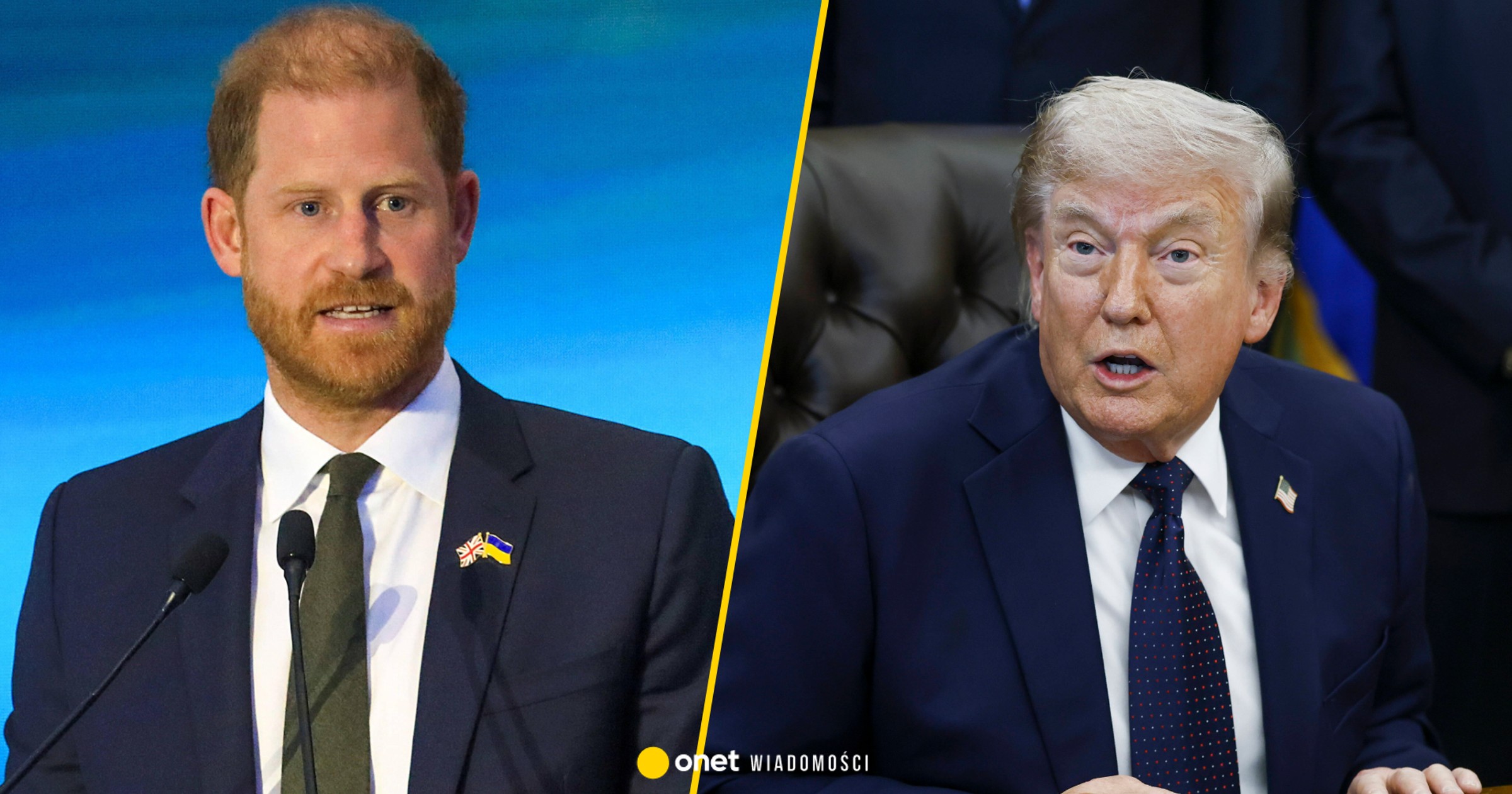
Hot debate on Reddit: Is Romania “servile” in the relationship with Donald Trump? Between accusations of ignoring the EU and the need for security


The author of a post on r/Romania flatly accuses Romania of continuing to behave subserviently to Donald Trump and the United States, while ignoring European support and minimizing international risks. Reactions were immediate.
Photo credit: Shutterstock
The discussion comes amid international tensions in recent days, after Donald Trump threatened that “an entire civilization” could be destroyed in the context of the conflict with Iran. The statement, published on the Truth Social platform before the expiration of an ultimatum addressed to Tehran, was criticized by several MEPs, who spoke of language “in terms of genocide”.
At the same time, European Union officials avoided commenting directly on the American leader's statements, citing the lack of clear data and refusing to respond to hypothetical scenarios. Against this background, the topic quickly reached the online space in Romania, where it triggered a debate about the country's relationship with the United States and the limits of this partnership.
The case from Bucharest was also mentioned in the discussion, in which the mayor of Sector 4, Daniel Băluță, announced that a new park will be named after Donald Trump. For many of those who commented, the gesture was not an isolated one, but a clear example of a relationship carried into the realm of symbols with no concrete stake for the community.
From here, the discussion went directly to the heart of the problem: does Romania have a choice or not in the relationship with the United States and how should the political leaders position themselves?
Does Romania have a choice or not?
Some have argued that the decisions should not be judged in terms of sympathy, but of strategic interest. Referring to the position of the President of Romania, Nicușor Dan, a user wrote: “As president, he must pursue the country's primary interests. One of them is security. Like it or not, Europe still cannot compensate for the security provided by the US”. In the same logic, someone else argued that Romania must stay close to the United States until it can defend itself and until it is no longer economically dependent on the Americans.
“We cannot afford to antagonize the US”someone else added, summing up one of the dominant thrusts in the discussion. The invoked argument is a pragmatic one: Romania has, at this moment, no real alternatives in terms of security.
Another user elaborated on this idea and described the country's position as a vulnerable one, between Russian pressure and a Europe that cannot yet offer security guarantees comparable to those of the United States. In the same comment, the situation of the Republic of Moldova was also mentioned, seen as a sensitive point in the regional equation. In this logic, the proximity to Washington appears not as an ideological option, but as a strategic necessity.
However, even within this camp, the criticism is not of the partnership itself, but of how it is managed. “Better stay in your bank if you don't know what to ask for” wrote the same user, suggesting that the problem is not the relationship with the United States, but the lack of a real negotiation in Romania's interest.
On the other hand, other panelists rejected this approach and said that the line had already been crossed. In their opinion, it is no longer about diplomacy, but about gestures of submission without clear benefits. “To name a park after an individual, to go to the “peace” Council of someone who threatens genocide and war crimes when he feels like it, I don't think is called diplomacy, but servility and lack of backbone”, someone wrote.
Beyond the differences in tone, the question that constantly returns in the discussion is a concrete one: what does Romania gain from such gestures and whether the relationship with the United States continues to function as a partnership or begins to be perceived as a dependency.
The tension rose further when the initial post went beyond criticizing politicians and aimed directly at the public. The author argued that “absolutely all Romanians” they would be complicit in a possible genocide, and the reactions came immediately. A user asked: “Aren't you Romanian?” Another rejected the idea and pointed out that decisions about wars, alliances or military bases do not belong to ordinary people: “Me as a Romanian? I struggle every day to put a loaf of bread on the table. I am complicit in nothing but paying taxes and working.”
The discussion quickly split into two clear directions. On the one hand, those who believe that the proximity to Washington is a strategic necessity, regardless of the political context. On the other hand, those who say that such gestures exceed the limits of diplomacy and become forms of submission without visible benefits.
Between these two positions, consensus is lacking. And beyond the sometimes aggressive tone, the discussion shows a real problem: it is not so much the relationship with the United States that is contested, but the way in which it is explained, negotiated and publicly assumed.