Trump is pursuing a risky strategy. There is growing concern among Republicans. They are increasingly talking about losing control of Congress

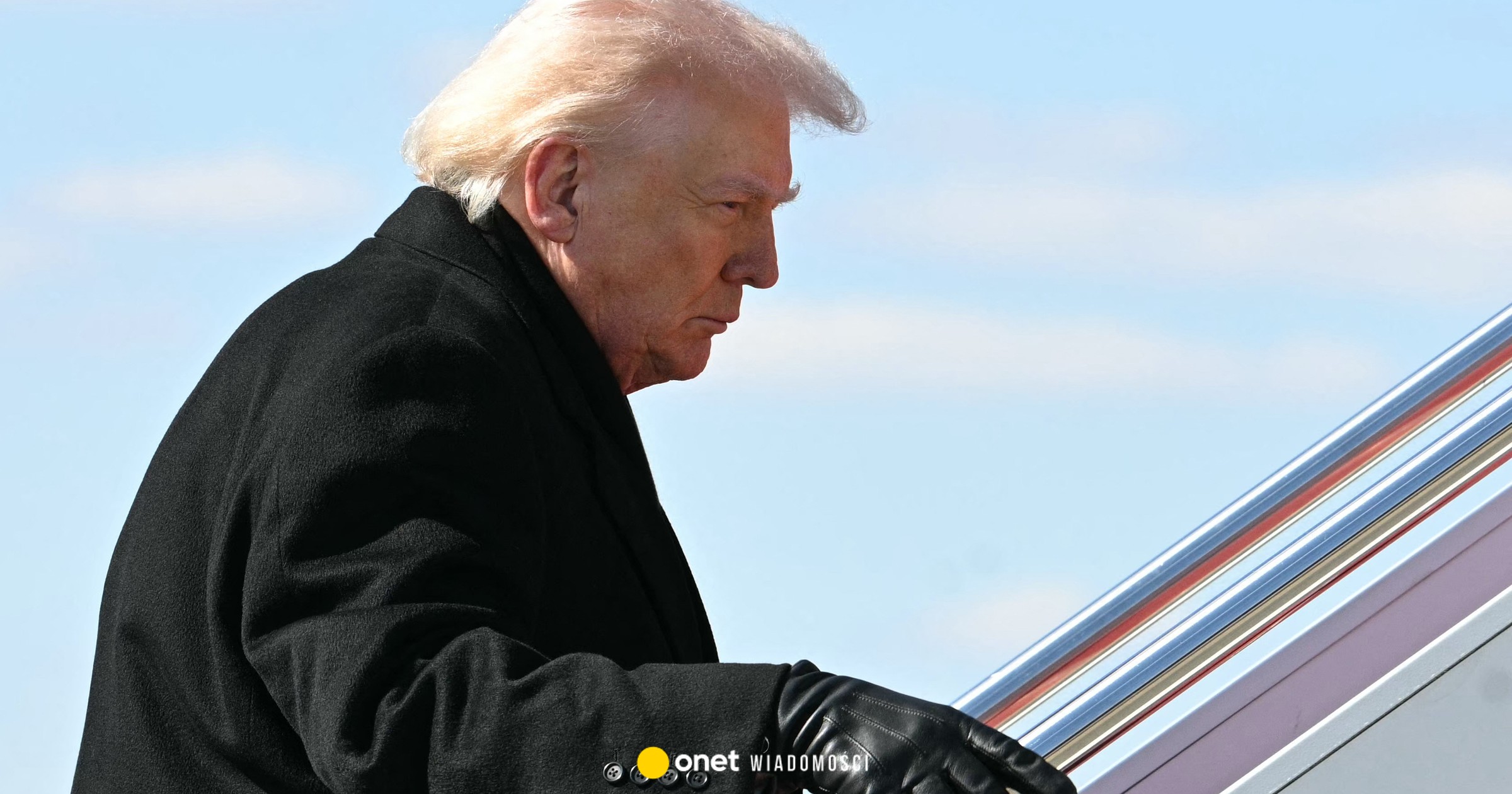
Trump's only significant move amid the prolonged shutdown of the Department of Homeland Security was to order that airport baggage screening workers be paid anyway. This means that the department will remain without funding for now.
In turn, the war in Iran, which the United States and Israel started on February 28, got out of control in the face of sharp increases in oil prices, escalation of regional conflicts and the sending of additional units of American soldiers.
The consequences of Trump's policies are mounting. The president's support dropped to its lowest level in his second term. In a Fox News poll last week, 59 percent voters said they did not support his performance as president, and Republicans could lose control of Congress.
— Many of the actions the administration is taking are not political in nature, notes a person close to the White House who wished to remain anonymous. — All politicians, like me and others, ask: “Okay, but what about the elections?” The administration does not appear to be acting or implementing policies with the election in mind, he adds.
The president's intensified campaign to promote his economic agenda, which White House chief of staff Susie Wiles heralded months ago with promises of a shift toward a greater focus on domestic issues, has not fully materialized. Instead, it dragged the United States into another unpopular war, sparking outrage from some vocal MAGA supporters.
They are angered by the apparent shift away from “America First” and the continued rise in gasoline prices, which until a few months ago were the White House's main defense against Democrats' criticism of affordability.
It is also a completely different attitude than a year ago, when Trump and his administration were optimistic about the midterm elections and actively used their political power to win them.
“We believe that four years can be ours,” said one of Trump's advisers, pointing to the confidence among the president's entourage that the party will avoid defeat in the midterm elections. – We reject the pessimistic approach of acting with the thought that this is our only chance and we only have two years, he said.
US President Donald Trump in the Oval Office of the White House, March 31, 2026.Brendan SMIALOWSKI / POOL / AFP / AFP
Trump's unconventional approach may raise concerns about Democratic control of Congress in the final two years of his term will become a kind of self-fulfilling prophecy. However, a second person close to the White House suggests that the president's strategy of putting everything on one card may result from the awareness that his chance for full control of the Republican Party in Congress is coming to an end.
“The House of Representatives probably can't be saved,” he says. — The president doesn't admit it publicly, but he certainly knows it is true.
Meanwhile, a senior administration official insists it is “too early to tell” whether the House of Representatives will change its composition. — Ultimately, everything will be decided in November, and trying to predict in March what the situation will look like in November is a waste of time. The main indicator of how the party will fare in the midterm elections are the overall support polls, and these are currently at a tolerable level, the interlocutor says.
Outside of the overall approval poll, where Democrats still have a five-point lead, More and more troubling data is accumulating for Republicans. Trump's approval rating in Wisconsin, a key swing state he won in 2024, fell to 42% last week, according to a Marquette Law School poll.
— This month, Trump's support in Wisconsin is the lowest it has been throughout his first and second terms. He's in a much worse position than he was at the beginning of the year, especially among independent voters, notes Charles Franklin, a longtime Marquette pollster. — When support drops to 30 percent. or even lower, this should be considered a serious warning signal, he emphasizes.
On Wednesday, Trump admitted that the trend in the midterm elections is unfavorable to incumbent presidents, but he described his presidency so far as successful.
“For some reason — I don't know what — the president who wins, Republican or Democrat, almost always does poorly in midterms,” Trump said at the House Republicans' campaign dinner. — Nobody knows why, even if it's a successful presidency. There are those who say this was the first, truly the best first year in the history of the presidency. And I agree with them, he added.
Trump's risky policy
After 14 months of a second term characterized by increasing presidential ambition and a lack of dissenting voices, Trump remains in what can only be described as “YOLO” mode. [skrót od ”You Only Live Once”, czyli ”Żyje się tylko raz”]. However, the lack of restraint on the part of the leader, who will not have to face voters again, put his party at risk of losing the House and possibly the Senate.
— Republicans were already in a difficult situation before the midterm elections. But Trump is making it go from a difficult situation to almost impossible for them, says a person close to the president's team who worked with him during his first term.
If Trump has focused on the midterms at all, it has been to give the Republican Party a greater structural advantage, from last year's failed attempt to manipulate district boundaries to create additional safe Republican districts to his current push to limit mail-in voting and tighten voter ID requirements.
Trump has called the voting reform bill, known as the SAVE America Act, his “top priority,” but it has no chance of passing the Senate. He has been virtually silent on a proposal to limit institutional investors' ability to buy real estate, which is facing opposition in the House of Representatives.
Failing to push for a housing bill is a missed opportunity to potentially lower costs for consumers, as is allowing Affordable Care Act premiums to skyrocket after an agreement to extend them was put on the back burner in favor of full Obamacare reform, which has so far failed to materialize.
The White House says the SAVE America Act addresses issues that are important to Americans ahead of the November election. — The President has made clear that the SAVE America Act is his absolute legislative priority and he will continue to push for its passage. But that doesn't mean there aren't other priorities he could work on that could address other areas of concern, says a senior administration official. — Of course, when you look at things in the context of the midterm elections, the safety and security of the midterm elections is of paramount importance.
“He lied about everything”
The president also caused considerable concern by not endorsing more candidates in the last election. He chose not to get involved in the Texas GOP primary, which turned into a runoff, to help incumbent Sen. John Cornyn or Texas Attorney General Ken Paxton.
On Friday in Texas, MAGA-loyal men expressed their dissatisfaction with Trump, especially regarding Iran, at the annual CPAC right-wing conference. One 30-year veteran of the wars in Iraq and Afghanistan, wearing an “America First” hat, told POLITICO that Trump “lied about everything” and that there is no “clear goal” on Iran.
More than six in 10 voters disapprove of Trump's handling of the conflict with Iran, which analysts say will have a lasting impact on energy prices even if a deal to end the fight is reached in the coming days or weeks.
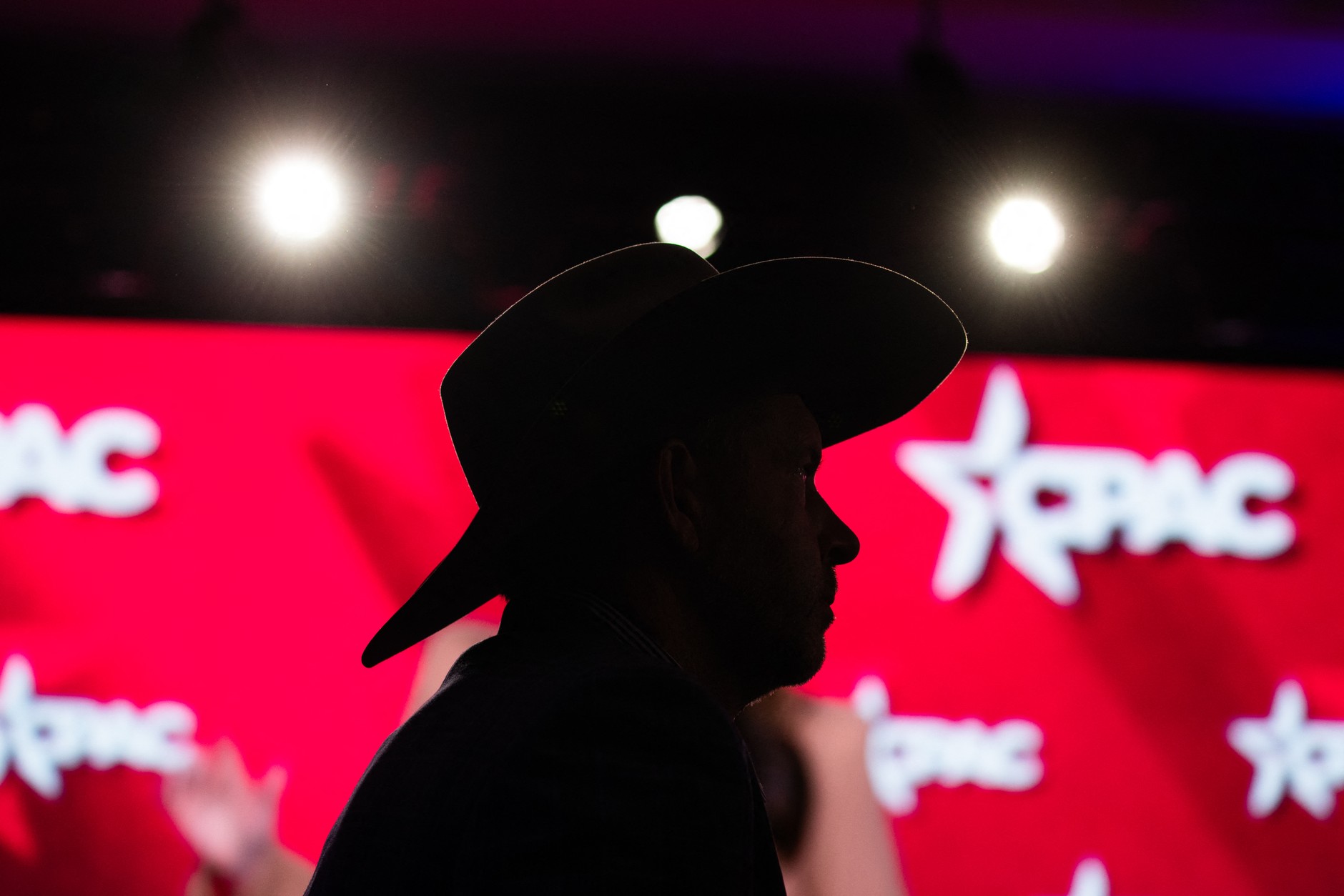
Silhouette of a man wearing a hat during the CPAC conference in Grapevine, Texas, March 28, 2026.LEANDRO LOZADA / AFP / AFP
Rising consumer prices resulting from the war and Iran's closure of the Strait of Hormuz will likely offset economic gains that were expected to take effect this year following the passage of last year's “One Big Beautiful Bill.” [“wielkiej, pięknej ustawy”]. And the administration's focus on the war in recent weeks — not to mention several of the president's more personal obsessions, including the White House and Kennedy Center renovation projects — has distracted attention from any financial messaging.
-I think so they jump from one thing to another without thinking about the overall political dimensionbecause it no longer mattered, says a person close to the administration. — When all this politics started to fall apart with the redistribution of constituencies, the YOLO approach was based on the attitude: what do we have to lose? If we're going to do it, why not now? – he adds.
A second person close to the White House says Trump's thinking on Iran is “largely disconnected from the midterms.” – He will do what he thinks is necessary. He is convinced that it must be done, he says.
According to an Ipsos poll from this week, only 29 percent Americans now support the way the former real estate tycoon runs the country's economy. That's lower than what former President Joe Biden ever achieved during a term marked by persistent inflation. And Trump's approval rating dropped to 36 percent, which traditionally meant a devastating defeat in the midterm elections.
During the election campaign, legislators will have to face an electorate that wants to see plans to improve their financial situation. He expects the White House to propose specific solutions to affordability.
— I would start with a “big, beautiful bill. I would start with the extraordinary progress the president has made on the economy,” says a senior administration official. “And then I would continue by saying that we have every confidence that the president will sign the housing bill, and the administration has consistently and strongly supported the Senate bill on this issue,” he adds.