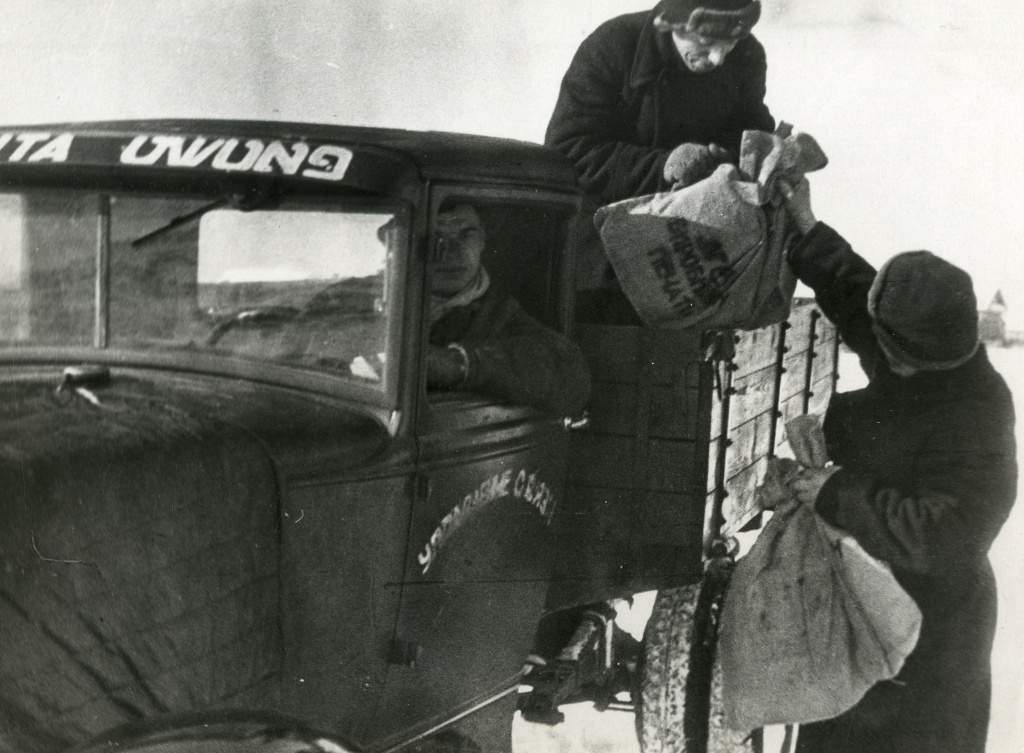
The mail was delivered. Collective farm “Valdheim”. Photographer V. Girshovich. 1937
Photo: State Archive of the Jewish Autonomous Region
May 27, 1928
The village of Valdgeim was founded, settlers from the western regions of the country erected the first huts on the site of the future village. The village appeared, although in the wilderness, but not out of nowhere. And it did not immediately become Waldheim. Initially, at this place there was a barracks with service people, presumably they were Cossacks, they called the area Kyrma. Then a resettlement point was organized, called Khudzinovka. The point received this name from the surname of the first chairman, Khudzinsky; unfortunately, the name and patronymic could not be clarified.
By the autumn of 1928, the first houses were delivered. By June 1929, 10 residential buildings and 20 outbuildings were built. The population of the village grew to 103 people. There were two small cooperatives in the village: a tar and turpentine cooperative and a woodchip production cooperative.
In October 1929, the settlers united in the collective farm “Valdheim”.
In 1930, it received the official name – Waldheim, translated from Yiddish as “house in the forest”. One of the first chairmen of the collective farm was Emmanuel Kazakevich, a future writer.
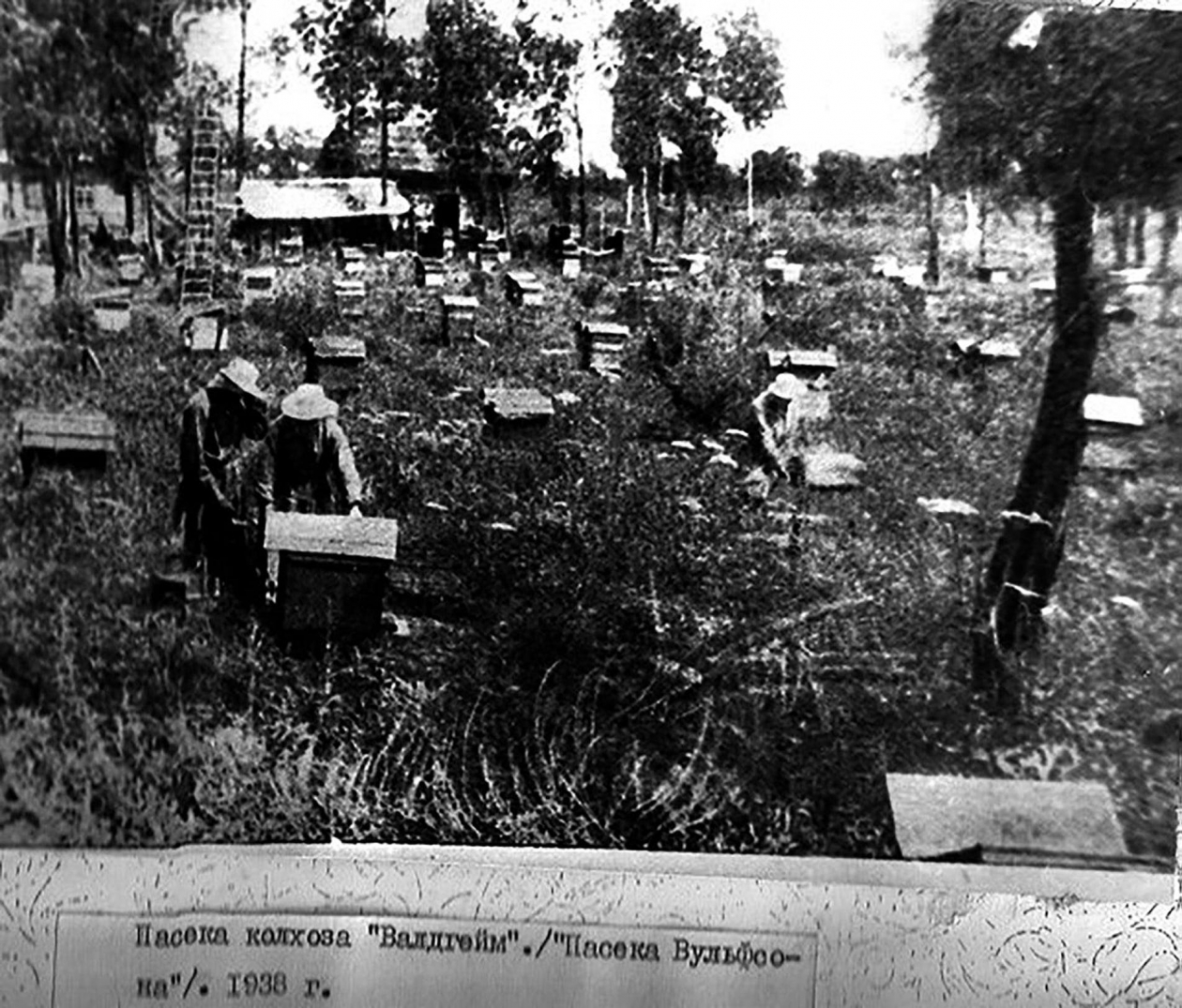
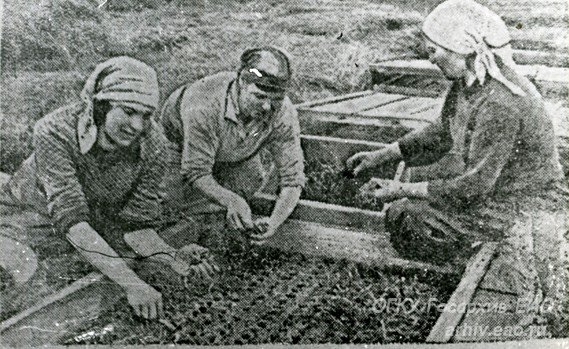
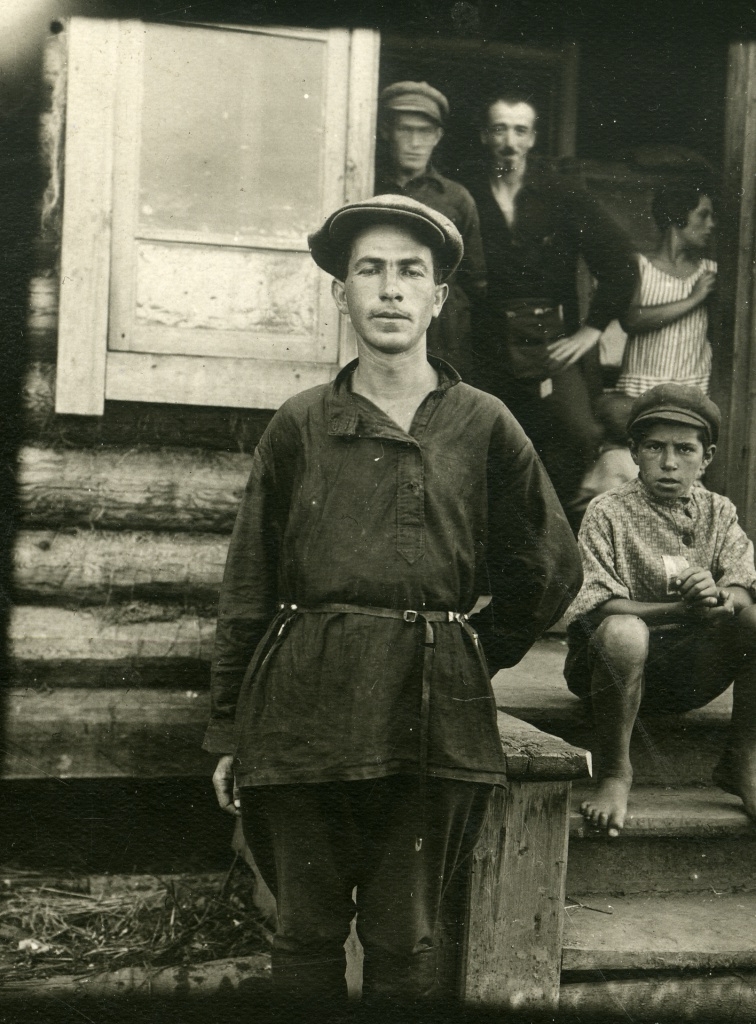
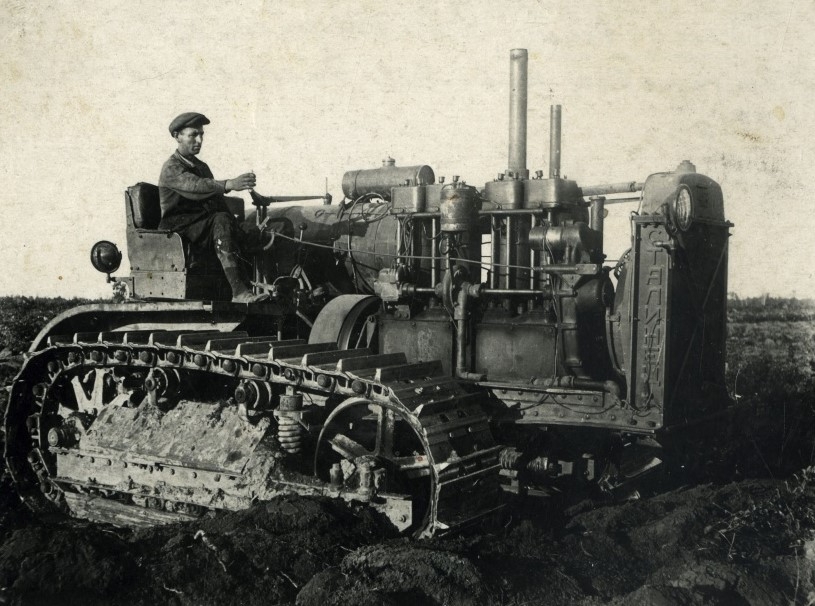
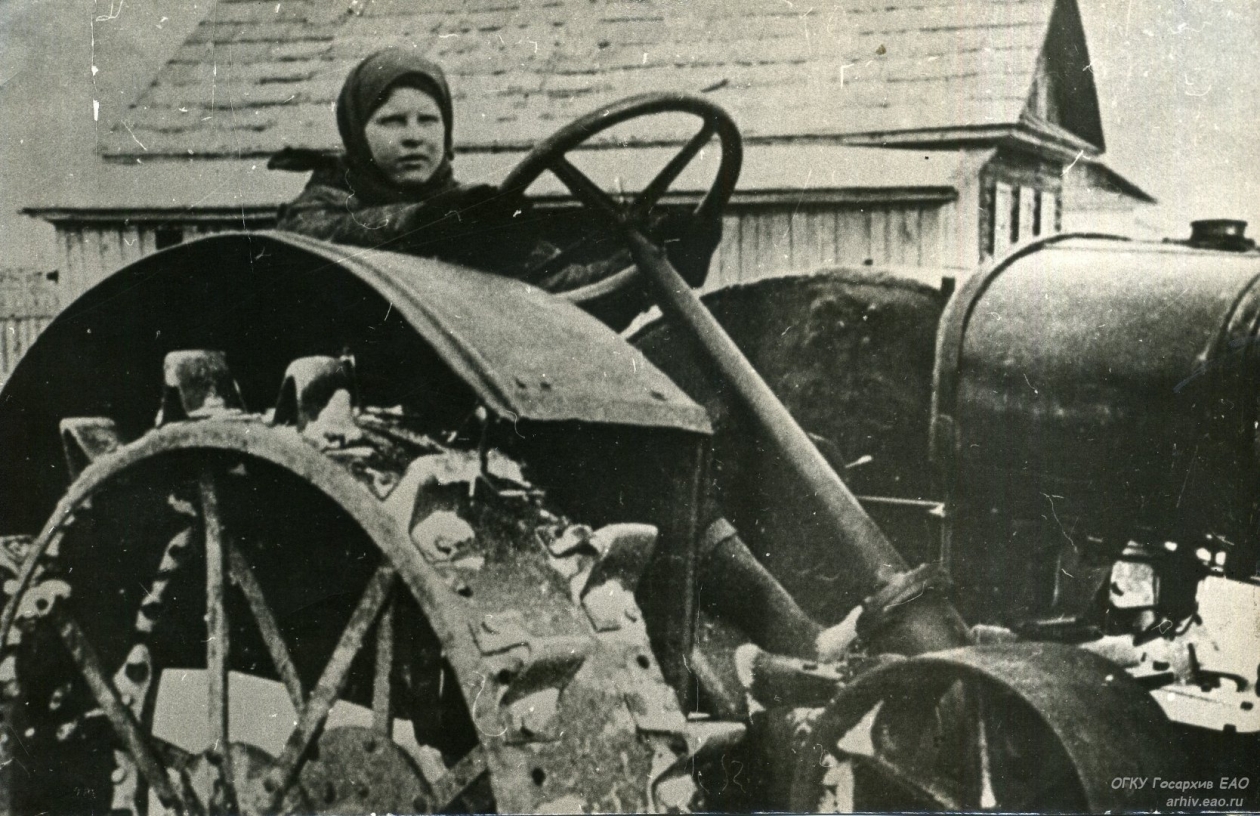
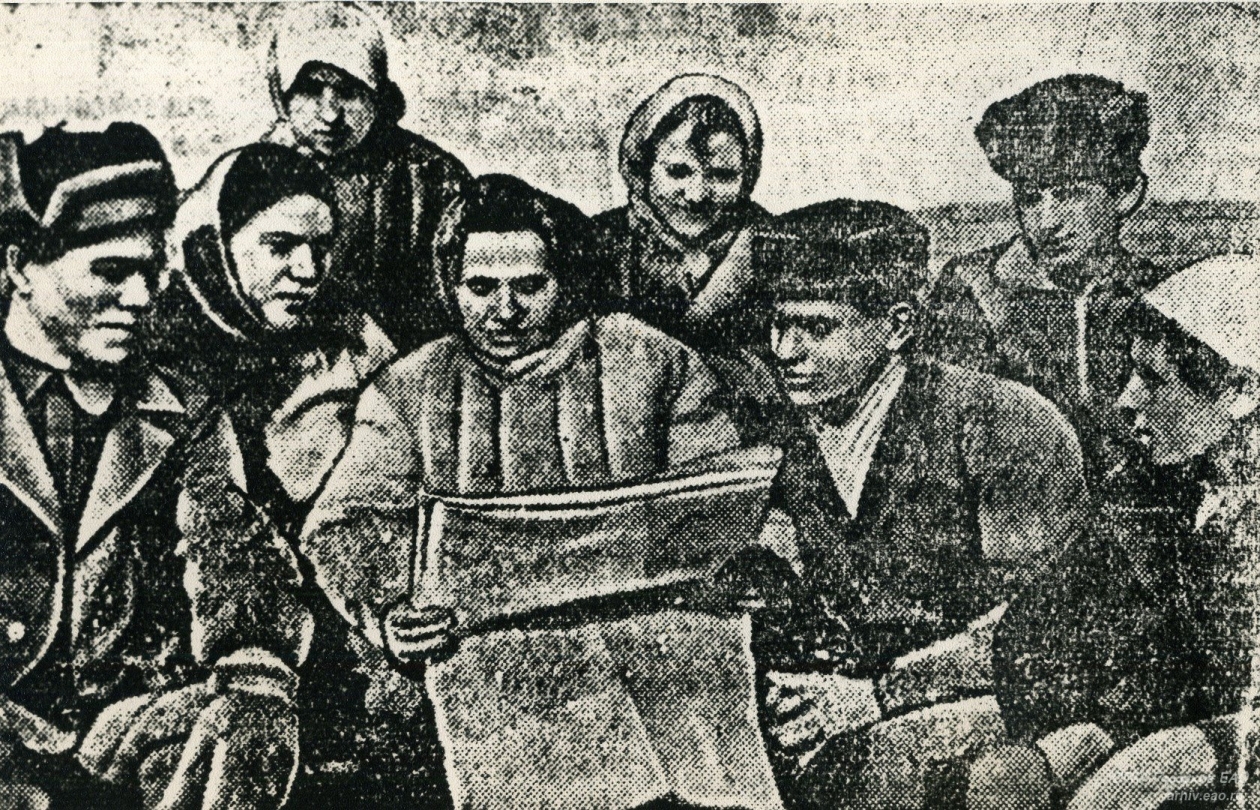
In 1933, the first women's brigade of vegetable growers was organized in Waldheim, headed by collective farmer Rybitskaya. Already in 1933, the collective farm became one of the best in the Birobidzhan region. On the collective farm they were engaged in pig breeding, gardening, beekeeping, there was a brick factory, a sewing workshop, and a hosiery artel. Public buildings included a club, a school, a nursery, a bakery, a post office, and a hospital.
During the war, as throughout the country, collective farmers did everything in their power.
In 1950, the collective farm “20 Years of October” was annexed to the “Waldgeim” collective farm. Poultry house. The new farm also received a new name – the collective farm “33rd Anniversary of October”. Ten years later, two more collective farms will join Valdgeim – the villages of Zhelty Yar and Pronkino, and the enlarged collective farm will be called “Testaments of Ilyich.” It will exist for three decades.
In the 60s of the last century, “Testaments of Ilyich” was headed by Vladimir Izrailevich Peller, who during his lifetime became a legend, a holder of three Orders of Glory, who went through the entire war. In 1965, the Waldheim collective farm became the best in the Far Eastern zone. In 1971, the collective farm was awarded the Order of the Red Banner of Labor; in 1976, the collective farm “Zavety Ilyich” was included on the All-Russian Board of Honor. In 1970-1980 Valdheim was an ostentatious object, a model of a collective farm village.
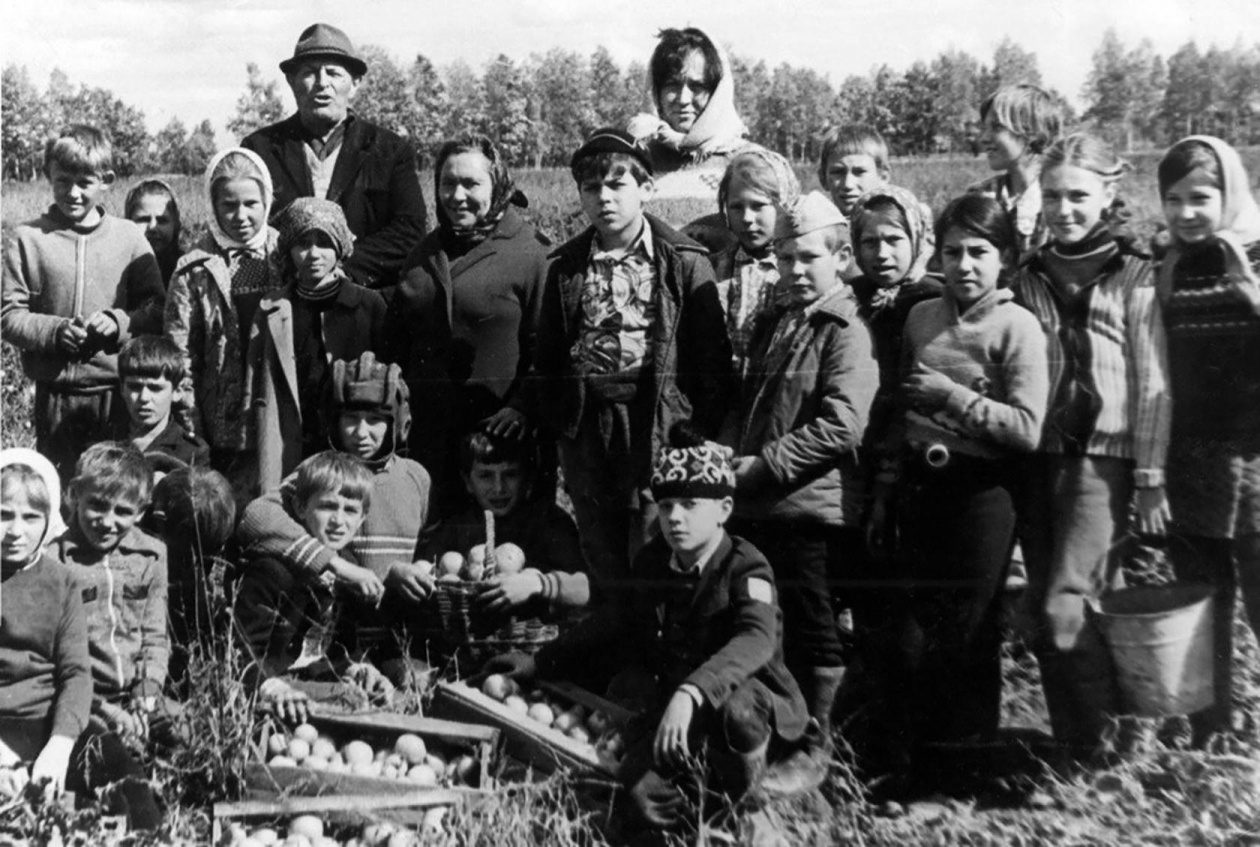
In Waldheim. School principal Isaac Abramovich is wearing a hat. Photo: Photo: State Archive of the Jewish Autonomous Region
The large collective farm village has now become a village of farmers and entrepreneurs. One of the first farmers of Valdheim was the last collective farm chairman, Boris Ikhilovich Rak, and his two brothers Aron and Efim.
Today Waldheim is, in its own way, the center of the Birobidzhan region. There is a district hospital, a regional museum of local lore, a district library, a cultural center, an Orthodox church, a secondary school, an orphanage for disabled children, a children's music school, a kindergarten, a post office, a pharmacy and several shops.
May 27, 1952
The Bureau of the Regional Committee of the All-Union Communist Party of Bolsheviks and the Regional Executive Committee adopted a resolution on the organization of a technical school for agricultural mechanization in the city of Birobidzhan with a training period of 4 years and a full enrollment of 240 people.
May 27, 1958
The Bureau of the Regional Committee of the CPSU considered the issue of the work of the party organization of the collective farm “33rd Anniversary of October”. The Bureau noted that the party organization, fulfilling the decisions of the party and government on the further development of agriculture, carried out some work to mobilize collective farmers to solve the problems facing the collective farm. The cash income of the collective farm increased 4.4 times compared to 1953. Attention is drawn to the need to increase the production of early vegetables and potatoes, and to strengthen organizational, party and mass political work.
May 27, 1971
The Bureau of the Regional Committee of the CPSU, having examined the results of the All-Union Communist Cleanup Day held on April 17, noted that it took place in an atmosphere of enormous political and labor upsurge caused by the decisions of the 24th Congress of the CPSU. In the Jewish Autonomous Region, over 94 thousand people took part in the cleanup. 163.7 thousand rubles were earned and transferred to the five-year plan fund, products worth 500 thousand rubles were produced.
May 27, 2018
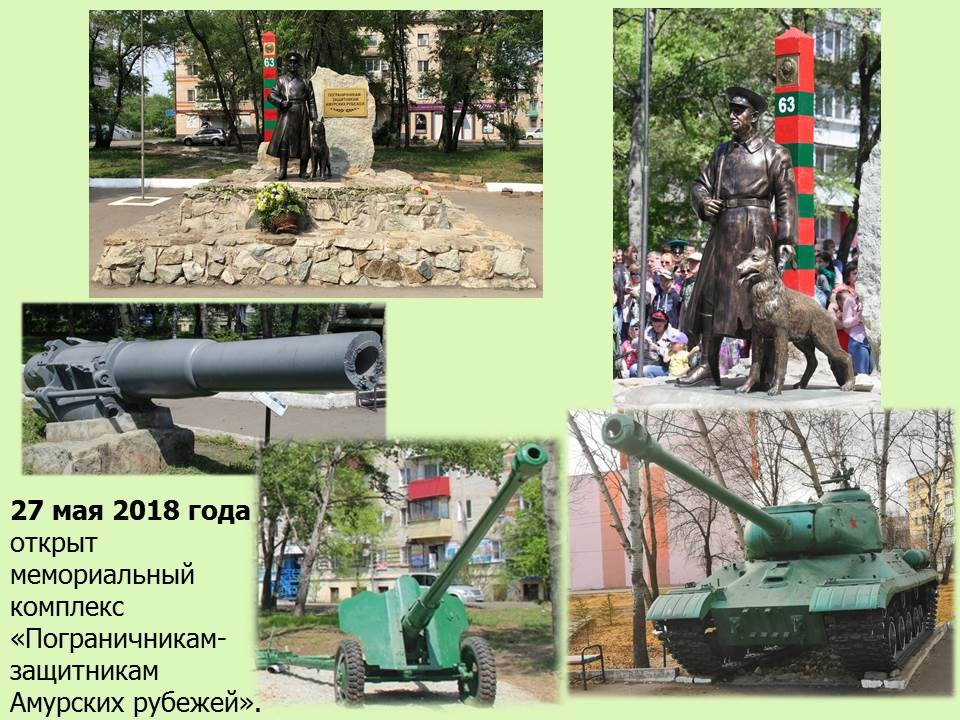
Square for Border Guards. Photo: Photo: EAOMedia news agency archive
In the park located near 60 Years of the USSR Avenue, a memorial complex “To the Border Guards-Defenders of the Amur Borders” was opened.
In the center of the square, on a pedestal, there is a sculpture of a Soviet border guard, with a rifle over his shoulder, he is intensely looking into the distance. An East European Shepherd stands at his feet. Behind them is a tetrahedral border pillar with the number “63”, on a boulder there is a sign with the text: “To the border guards – defenders of the Amur borders.” The sculpture of a border guard was made in China according to a sketch by Birobidzhan artist Vladislav Tsap.
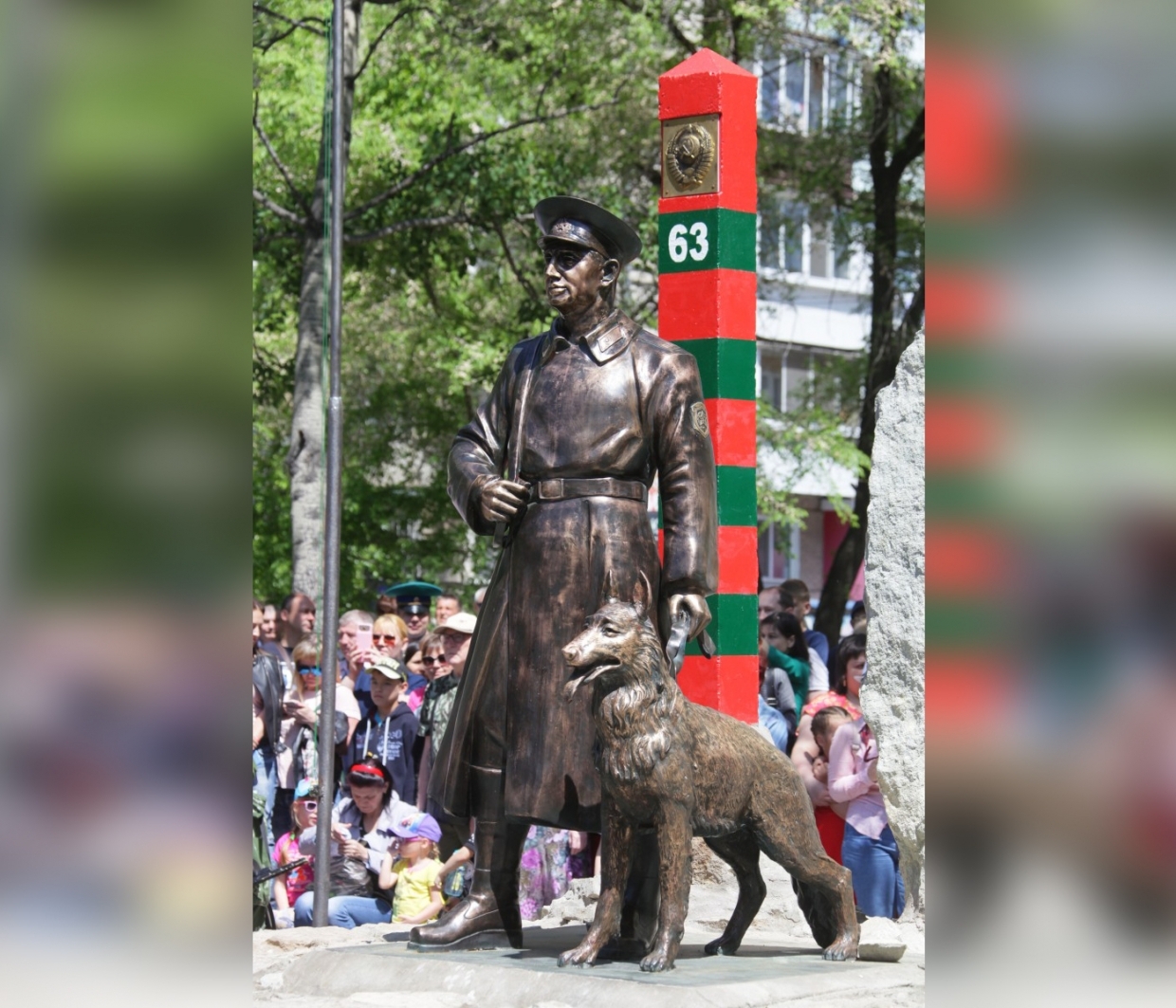
Sculpture of a Soviet border guard. Photo: Photo: EAOMedia news agency archive
The prototype of the monument was border service veteran Fyodor Mikhailovich Sumin, who served as a sergeant major at the Leninskaya border post for more than 40 years and was awarded the medal “For Military Merit” and the Order of the Red Star. The monument embodies the images of border guards – defenders of the Amur borders, who honorably fulfilled their duty to the Motherland in different years of Soviet and modern Russian history.
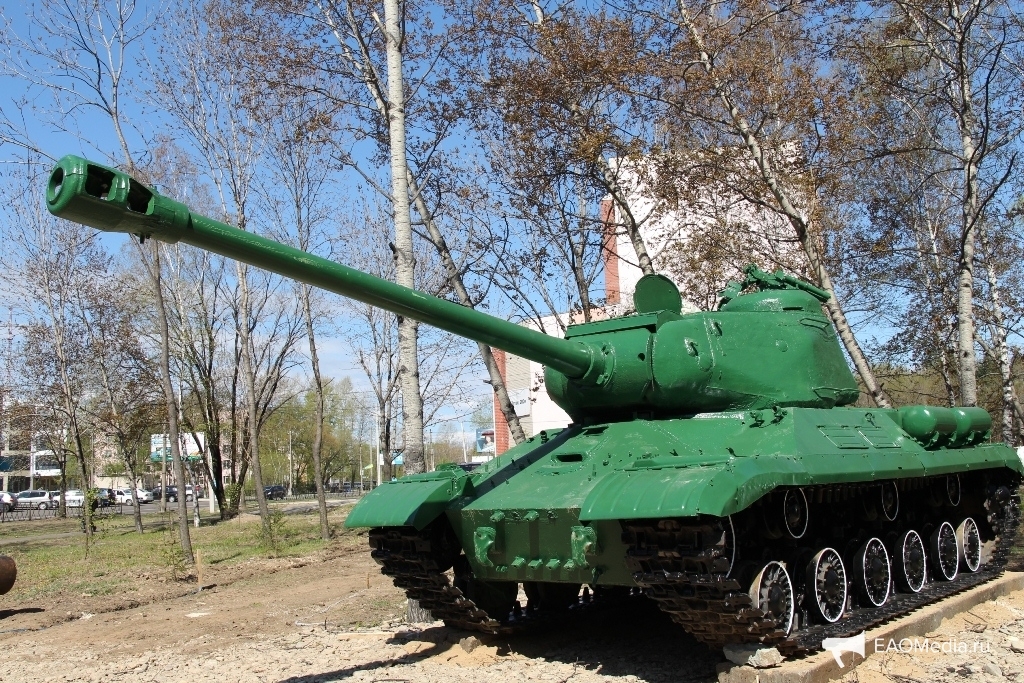
IS-2 tank, which took part in battles in the Far East. Photo: Photo: EAOMedia news agency archive
On the paved area around the perimeter there are benches and an IS-2 Tank (this example took part in battles in the Far East), a unique 1909 Kane system naval gun, which stood for many years in a fortified area on one of the Amur islands. Only five of these guns were produced.
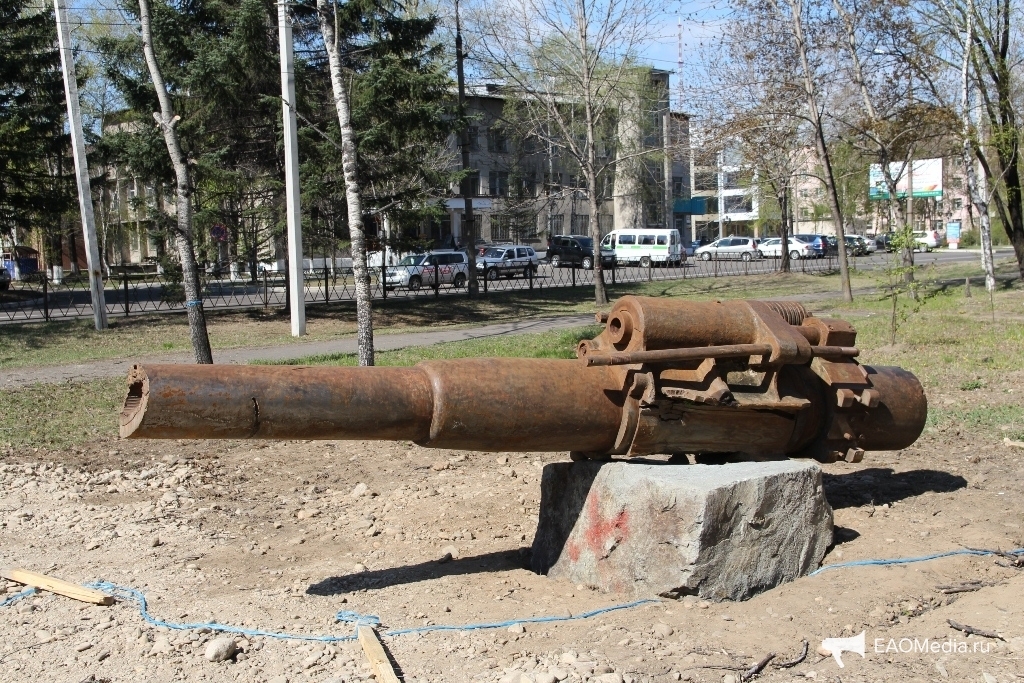
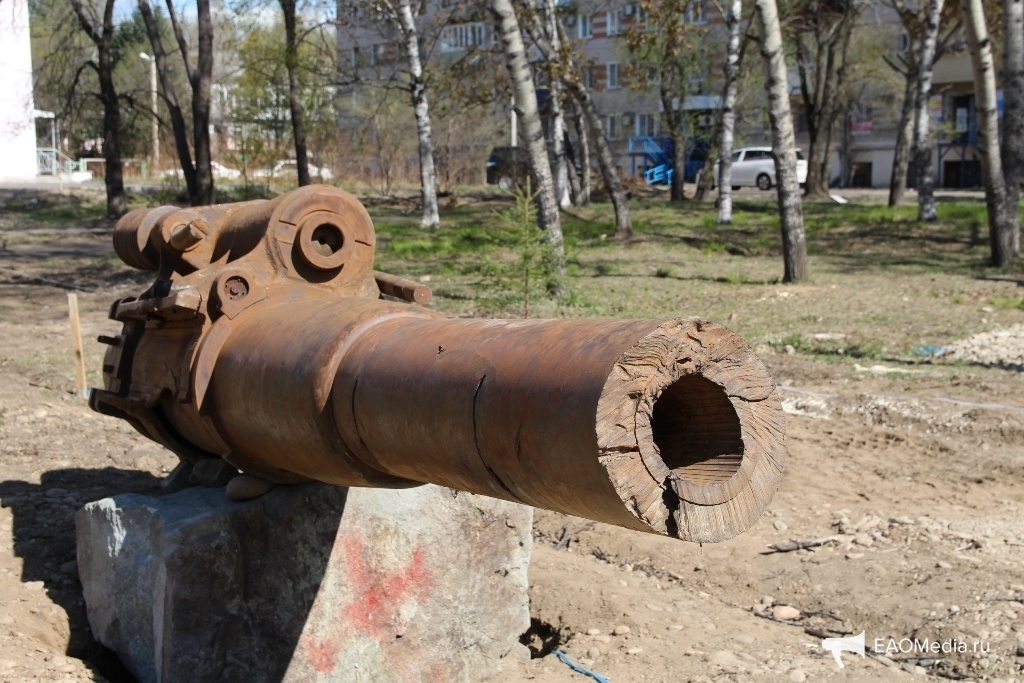
In the park you can also see two ZIS-3 cannons, one of which took part in the fighting against militaristic Japan.
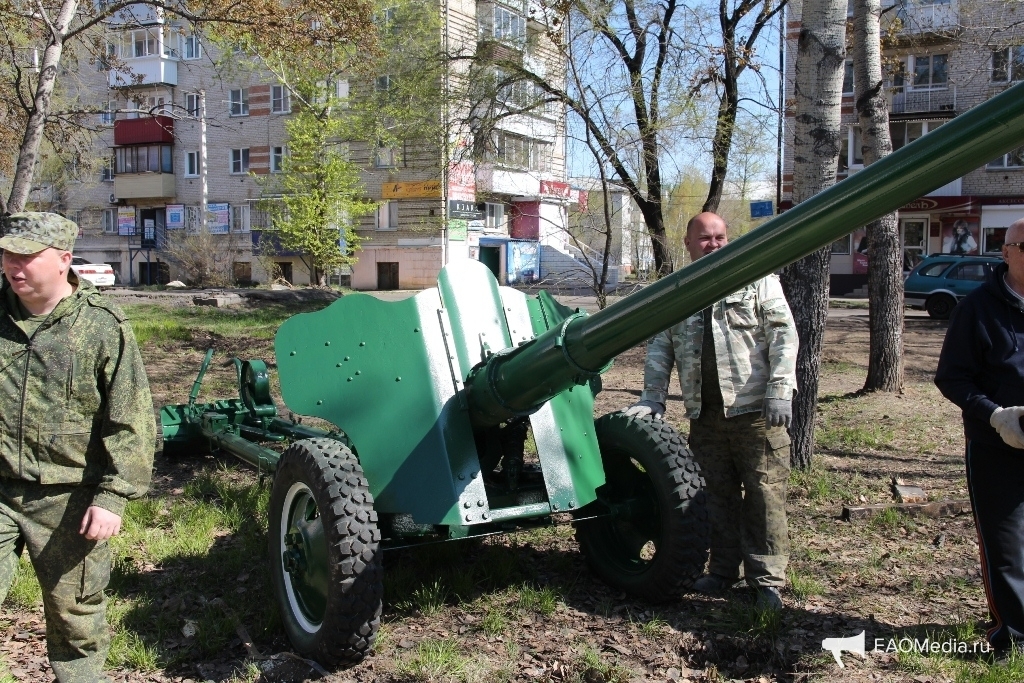
ZIS-3 gun. Photo: Photo: EAOMedia news agency archive
The opening of the complex was timed to coincide with the centennial anniversary of the Russian Border Guard. A new park and complex was created using the personal funds of border guard soldiers.
In May 2020, a cobblestone path was laid out in the park, along which six pylons were installed for border guards – Heroes of the Soviet Union: Dotsenko Iosif Trofimovich, Strelnikov Ivan Ivanovich, Gushchin Vladimir Ivanovich, Ternovoy Pyotr Ivanovich, Vazherkin Ivan Vasilyevich, Kagykin Petr Petrovich.
Every year, on Border Guard Day, veterans of the border service and border guard soldiers beautify the square: they paint equipment, benches, borders, plant flowers in the flower beds, and wash the sculptural monument.