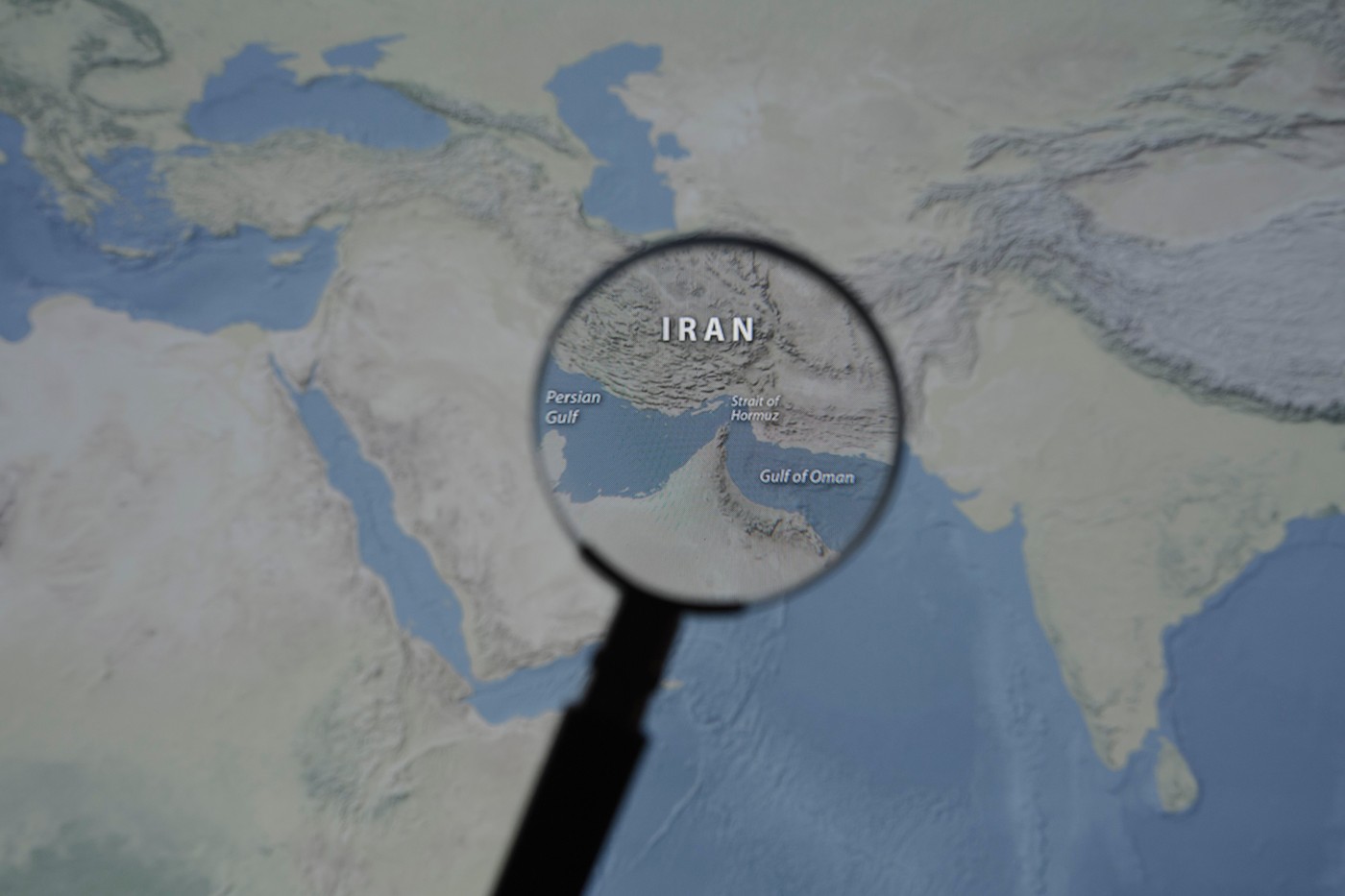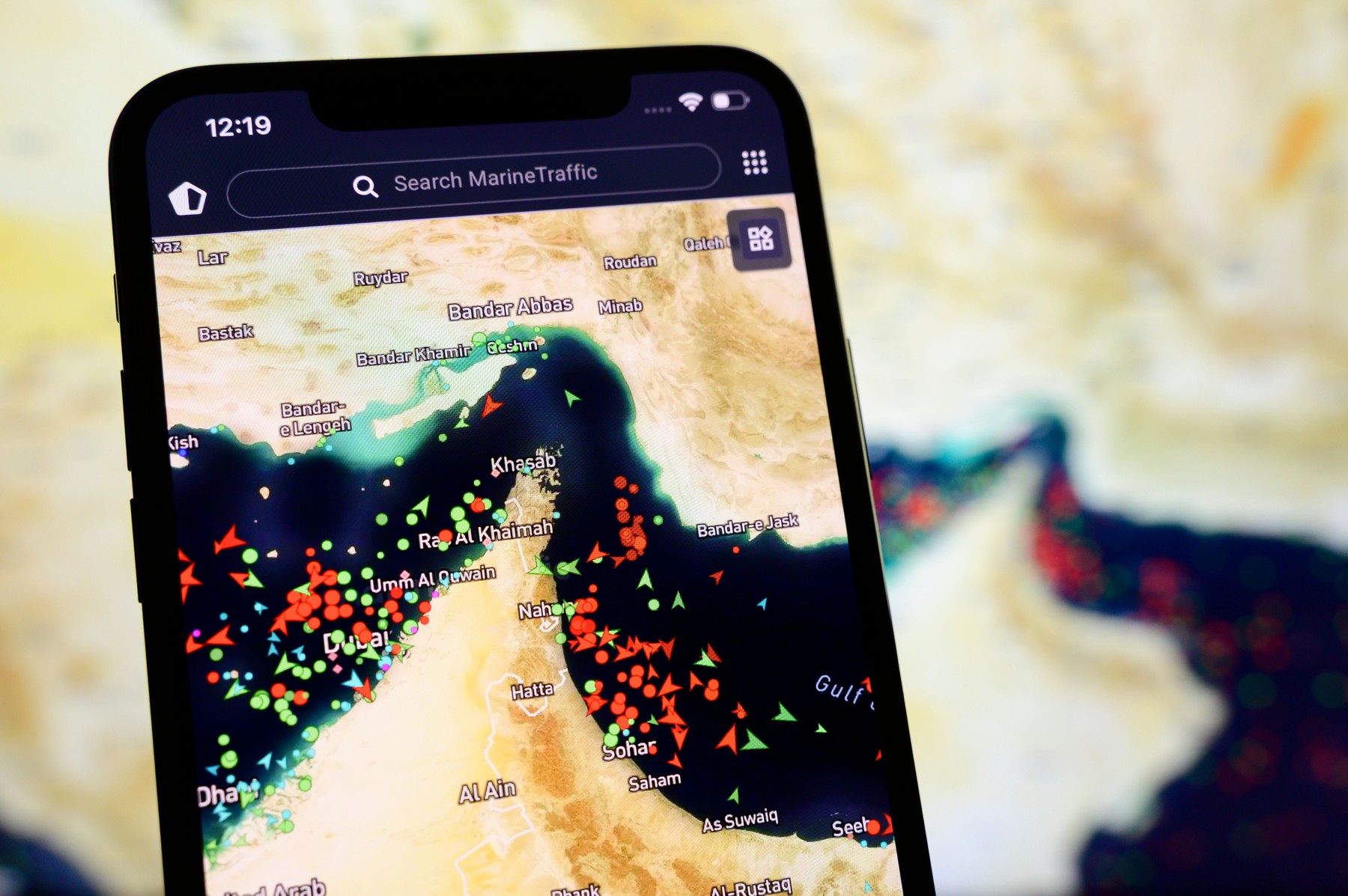
France on Wednesday hit back at President Donald Trump's threats to withdraw the US from NATO, saying the military alliance was designed to ensure security in the Euro-Atlantic space and not to launch offensive operations in the Strait of Hormuz, writes Reuters.
Trump stated, in an interview given to Reuters, that he will state in his address to the nation, on Wednesday evening at 21:00 local time (on the night of Wednesday to Thursday, at 04:00 Romanian time), that he is “absolutely” considering the withdrawal of the United States from NATO, reiterating the comments he made in an interview given to the British newspaper Daily Telegraph, angry that the allies did not support the military action of USA vs. Iran.
French President Emmanuel Macron has suggested creating a UN framework for any action in the Strait of Hormuz, a vital artery for global oil supplies that Iran has effectively blocked, and said international efforts could only take place when hostilities subside, insurance and shipping firms are consulted and Iran gives its consent.
“Let me remind you what NATO is. It is a military alliance concerned with the security of the Euro-Atlantic region. It is not designed to conduct operations in the Strait of Hormuz, which would constitute a violation of international law,” said Alice Rufo, deputy secretary of the Army, at the War and Peace conference in Paris.
Rufo, who is a close ally of Macron and was one of his top diplomats, said she understood the Americans were irritated by France's refusal to join a coalition to immediately unblock the strait.
But Paris preferred to work on a plan to restore transit and freedom of navigation through “non-offensive” means, she said.
“I understand that irritation, but I don't speak for the United States,” Rufo said.
“I speak on behalf of a country which is a founding member of the Atlantic Alliance (NATO) and a founding member of the European Union and which, for the last 20 years, has argued that Europeans must take a greater share of the responsibility for collective defense in Europe,” added Alice Rufo.
France drew the ire of Trump on Tuesday after denying Israel the use of its airspace to transfer US weapons destined for the Iran war, three sources told Reuters.
Macron's reaction
For his part, President Emmanuel Macron said on Wednesday that France “was not consulted” on the start of the war by the US and Israel against Iran and that it is not participating in it, in response to Donald Trump's criticism of the ban on flights over French territory, AFP reported.
“It is as true as it can be that France, which was not consulted and which is not part of this military offensive launched by the US and Israel, is not taking part in it. But it is nothing new, it has been valid since the first day, so we should not be surprised,” said the French president in an interview broadcast by the Japanese NHK channel, on the occasion of his visit to Tokyo.
The White House leader on Tuesday accused France of being “very uncooperative” in this war, lamenting the fact that it “did not allow planes bound for Israel, loaded with military equipment, to fly over French territory.”
The Elysée Palace has already expressed surprise at this message, confirming that it is “the French position since the beginning of the conflict”, according to Agerpres.
Emmanuel Macron called again for “peace, de-escalation, the resumption of negotiations, the only ones that can allow the solution of the fundamental problems”.
“Nothing would be worse than to bomb the region for weeks and weeks and leave it without a framework being established again. This is what France is campaigning for, a strict cooperation framework,” explained the French president.
He also called for “the reopening of the Strait of Hormuz in good order, peacefully, in concert with all parties involved.”
The de facto blockade of this Gulf sea passage due to Iranian retaliation is preventing the transit of oil, affecting the economies of many countries, including Japan, which is heavily dependent on imported crude from the Middle East.
According to the French president, France and Japan, “together with many other countries, from Asia, the Middle East or Europe, can play a role in ensuring that the transit goes well through Hormuz”.
He specified that it is not “at all” about a “military option”. “We can do it precisely because we are not involved in this war,” Macron estimated.