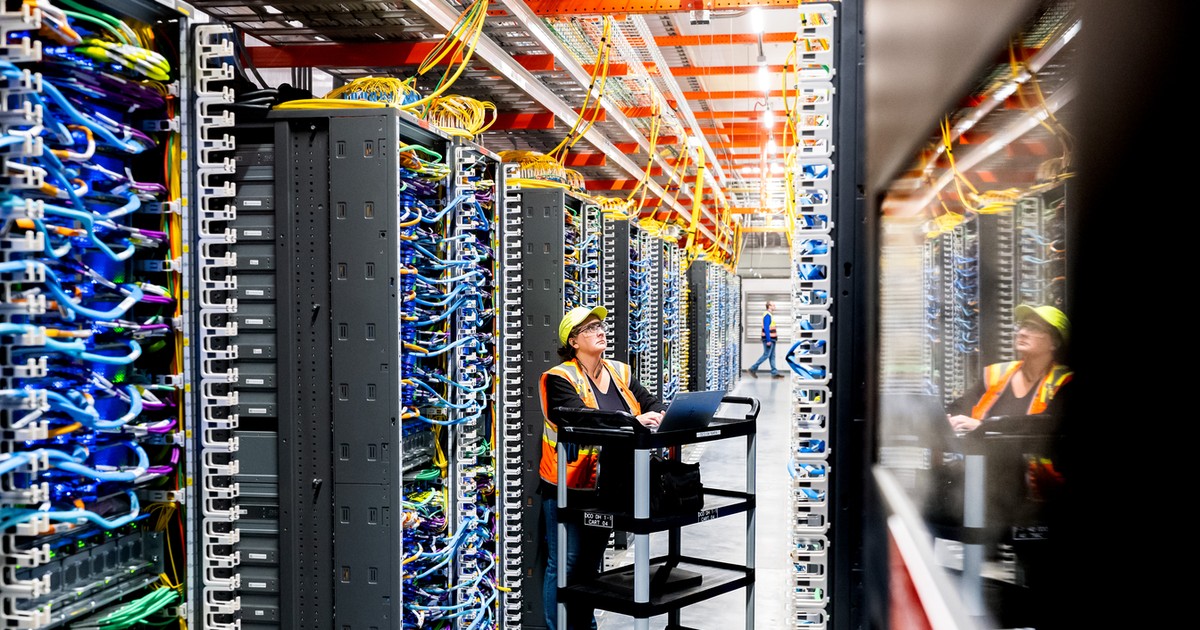
The largest technology players, such as Microsoft, Amazon, Alphabet and Meta, plan to allocate huge funds to the development of AI infrastructure. It is primarily about data centers, advanced chips and data processing systems – the foundations on which the development of artificial intelligence is based.
The scale of investments is growing at an impressive pace. In 2019 it was approximately USD 80 billion, and in 2025 it was already USD 383 billion, which shows how quickly AI has become a key area of technological competition.
- Read also: No more cheap AI. It will only get more expensive
The rest of the text is below the video
Energy is the key constraint
However, experts from S&P Global point out that the AI boom may encounter a very specific barrier – the availability and cost of energy.
Data centers consume huge amounts of electricity, making the technology sector particularly sensitive to oil and gas prices, energy supply stability and geopolitical tensions. These factors are now starting to play as important a role as technological innovations themselves.
“The market is just beginning to recognize the impact of lasting changes in energy security.” – analysts emphasize.
War changes the playing field
The escalation of the conflict in the Middle East is already affecting the operating costs of technology companies and their investment plans. High energy prices may limit Big Tech spending, reduce the profitability of AI projects and increase pressure on financial results.
According to analysts possible cuts in expenditure – if energy prices remain high – may become a catalyst for a broader correction on stock markets.
- Read also: AI allows you to earn good money. The rates reach PLN 1,000 per hour
The AI euphoria is starting to fade
Until recently, investments in artificial intelligence were one of the main drivers of growth on global stock exchanges. Today, however, the situation is starting to change – rising energy costs, economic uncertainty and geopolitical tensions are dampening investor enthusiasm, writes Reuters.
This does not mean the end of the AI boom, but it shows that its further development will be much more dependent on external factors than before.
The artificial intelligence boom is entering a new phase in which not only technology but also energy – its price, availability and security of supply – are of key importance.
In practice, this means that the future of AI will depend not only on innovation, but also on the geopolitical situation and the raw materials market. This is a fundamental change that may redefine the pace of development of the entire technology sector.