2026-03-30 18:08
publication
2026-03-30 18:08
Belgium is ready to join the international coalition to ensure freedom of navigation in the Strait of Hormuz; may send minehunters there once the situation in the region is stabilized, said the Ministers of Foreign Affairs and Defense, Maxime Prevot and Theo Francken, on Monday.
The head of Belgian diplomacy stated in an interview with the Francophone Bel-RTL radio that Brussels can support securing the route as part of an international coalition. He added that Belgian minehunters could be sent to the region as soon as security conditions allow.
Prevot noted that this issue was recently raised by French President Emmanuel Macron in a conversation with Belgian Prime Minister Bart De Wever. According to the minister, Belgium could make a “proportionate contribution” to a possible 32-nation coalition. The minister also emphasized that Belgium's participation in such an operation should not be interpreted as support for the American-Israeli intervention in Iran, which he described as launched “outside international law.”
Belgium's readiness to participate in the coalition was also confirmed by the head of the Ministry of Defense in a post on the X platform. He declared that Belgium would join activities to ensure free passage through the Strait of Hormuz when conditions in the region allow it, including a possible ceasefire.
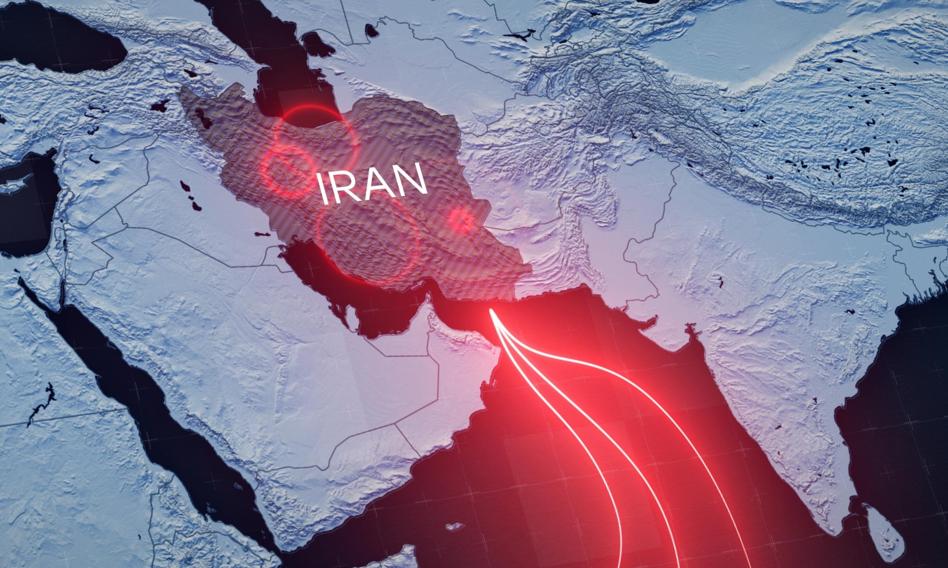
The Strait of Hormuz is one of the most important oil transport routes in the world. About 20 million barrels of raw material flow through it every day. Restrictions on navigation in this area result in an increase in oil prices, transport and insurance costs.
According to Monday's analysis by VRT, the war with Iran could trigger the biggest energy crisis in decades, reducing global oil supply by approximately 11 million barrels a day, i.e. more than during the oil crises of the 1970s. The Belgian broadcaster estimates that Europe would be one of the biggest victims of such a shock, because it has limited alternatives to oil and gas supplies from the Persian Gulf region, and Norway and the USA are already close to the limits of their export capabilities.
Tension in the region has persisted since the U.S. and Israeli air offensive against Iran began in late February. Tehran responded with drone and missile attacks targeting Israel and regional countries hosting US military installations.
Patryk Kulpok (PAP)
pmk/mal/