
A Malibu surgeon on his way to the top. “These habits changed everything”

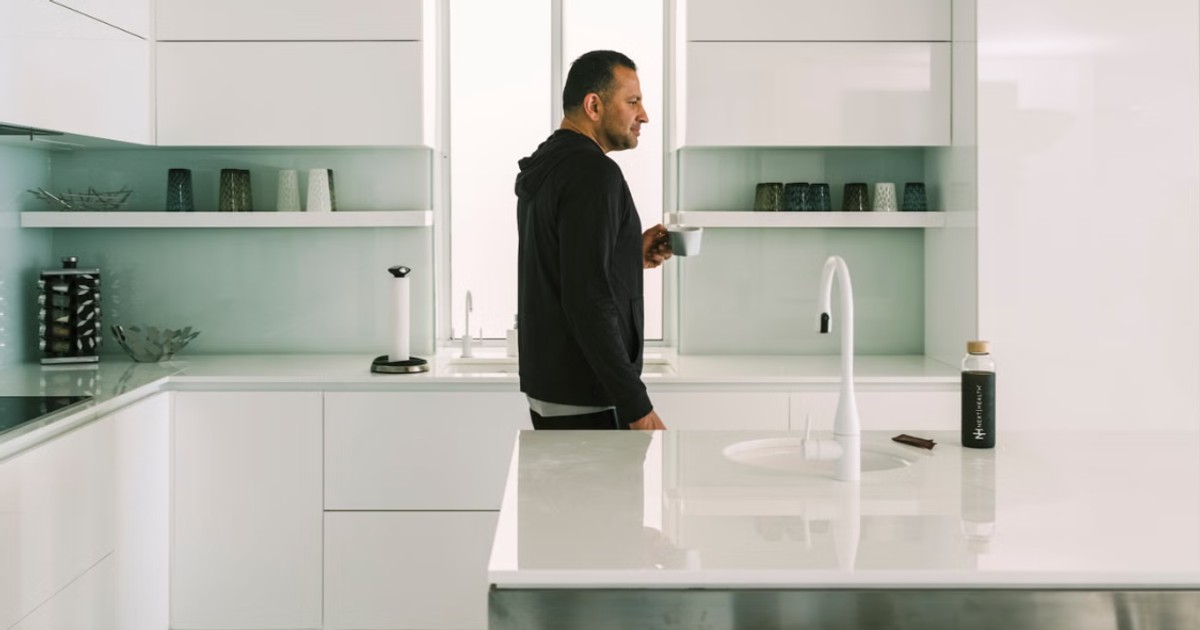
The text written in the first person is based on a conversation with Dr. Darshan Shah, 53, founder and CEO of Malibu, California-based longevity clinic Next Health. It has been condensed and edited for clarity.
I am a doctor with thirty years of experience. For the first three-quarters of my career, I performed a variety of surgeries, from trauma and emergency surgery to general and reconstructive surgery after cancer treatment.
I loved it and still miss the OR, but I was extremely burned out. I wasn't happy, I didn't want to go to work anymore, and I started wondering: who wants to live like this?
I became involved in longevity medicine 10 years ago. The reason for changing my specialization was my overweight (about 23 kg), high blood pressure, diabetes, metabolic syndrome and autoimmune disease.
I learned about the science of nutrition and physical activity, sleep and functional medicine. I implemented them in my life and thanks to this I stopped taking all medications and got rid of chronic diseases.
This experience made me realize that reversing chronic disease is the type of medicine I want to practice. I founded Health Optimization and Longevity Clinics to help people improve their lifestyle, regulate their hormones, and teach them how to prevent and reverse chronic disease.
I always say that the most important thing is a good daily routine. It doesn't have to be drugs, injections or anything fancy. I have achieved the greatest results in my own health journey by doing small things regularly.
Read also: He has five jobs and finishes work at 5 p.m. He reveals how he did it
Morning routine. Five steps for a healthier life
I get up at 5:00 in the morning.
I start my routine immediately after waking up, because the whole world is sleeping and this is the only time I have for myself.
What matters is what I don't do after waking up. I don't keep my phone close to me. I charge it at the coffee machine at the other end of the house. This is crucial for my routine – the phone ruins our mornings and stresses us from the first moment after waking up. I don't look at my phone for the first 15 minutes after getting up.
I'm going outside
I think it's extremely important to get some fresh air as soon as you wake up. Now I have a little puppy, but before I also followed this rule.
If the sun isn't up yet, I'll be back outside later – contact with sunlight is very important.
The act of going outside is something that has been ingrained in our biology since caveman times. It helps set your circadian rhythm, reduces stress levels and improves heart rate variability.
I'm doing a short workout
My morning routine is a sacred time for me – it lasts until about 6:15. It includes a quick, 10-15-minute workout that includes stretching and strength exercises. Even if I don't go to the gym later, at least I've got my workout done.
It is very important to achieve quick small wins. You can even start with two or five minutes a day – it doesn't matter. This small success fuels others.
After training, I drink coffee and take all my supplements. I add creatine to my coffee and also drink the IM8 vitamin mixture. I also take other supplements, among others Tru Niagen, Urolithin A by Timeline and a probiotic.
I read for 20 minutes
The second part of my routine is learning something new. I read for 20 minutes – usually two books: one about physical health, one about mental health. 5-8 pages on each side. It gives me something to think about for the rest of the day.
I keep a diary
I have been keeping a diary for 28 years. I'm on a 10 year streak without a single missed entry. In my journal, I describe the previous day, write down what I am most grateful for and what I am most looking forward to today.
By the time I finish my morning routine, my two children are usually already awake, waking up at 6:15. I then focus my full attention on them before taking them to the bus stop around 6:50.
I skip breakfast — this helps me control my total calories for the day. I'm not hungry in the morning, and if I eat, I don't exercise as well – I feel sluggish.
Read also: “We feel like seamstresses.” This is how AI is destroying the middle class
Gym three times a week
After dropping off the kids, I go to the gym and workout for about 45 minutes. Sometimes I take it cold bath before training or right after waking up, but it's very unpleasant – I always try to find an excuse to skip this step.
On training days, I also do interval training: five 30-second sprints with a four-minute break between them. Research shows that this is the best way to improve VO2 max, i.e. the body's ability to use oxygen. I also always strength train, engaging all muscle groups.
Three rules of good work
I start work around 8:30. I live in Malibu and the nearest Next Health clinic is about a 45-minute drive away, so I try to go there once a week. I work every day in a coworking space in Malibu, five minutes from home.
My job involves many things: Zoom calls, meetings, speaking engagements, podcast recordings, and patient consultations. It's a nice mix of activities that I enjoy.
I have three key rules for every working day:
- I try to spend as much time as possible at my walking desk – I do about 20k. steps per day.
- I eat an early lunch – usually a large piece of fish or meat with a salad. Sometimes in a tortilla, sometimes with a protein shake. I consume 40-50 g of protein and lots of vegetables. I come from a family with diabetes, and snacking probably contributed to that – so I avoid it.
- If I sit, it's no longer than 45 minutes at a stretch. I set a timer and when I get up, I do short exercises, like jumping rope or squats.
Read also: Accountants complain about increasing work pressure. They are afraid of new changes
Reset in the middle of the day
After lunch, I usually have a meeting and then take a 20-30 minute break to meditate. I go to a quiet place, turn everything off, dim the lights and meditate. Lately, I've been using the Oura ring, which has a guided meditation mode – it just plays background music.
I'm a little tired after lunch, so meditation helps me loosen up, rest, and regain energy for the rest of the day.
I worked as a trauma surgeon for six years and every day was extremely stressful. Now I feel like I can cope with stress well, although difficult situations still happen – then I stop, focus on myself and give myself two minutes to reset.
Dinner at 5 p.m. and no phone in the evening
I usually finish work at 4 p.m., pick up the kids from the bus stop and go home. I help them with their lessons and we spend time together.
We aim for dinner at 5 p.m., we try to eat as early as possible. After dinner we go for a walk, which begins my evening routine.
After the walk, around 7:30 p.m., I put my phone on the charger. We also change the color of the lighting in the house to yellow – it is very pleasant and relaxing. Then we start preparing for sleep. My children are 11 and seven and go to bed at 8 p.m. I read sometimes and I use the sauna for 30 minutes 3-4 times a week. I go to bed around 9:30 p.m.
The above text is a translation from American edition of Business Insider


