How the Iranians prepared Kharg Island for a possible assault by US forces. Military experts warn that US troops are vulnerable

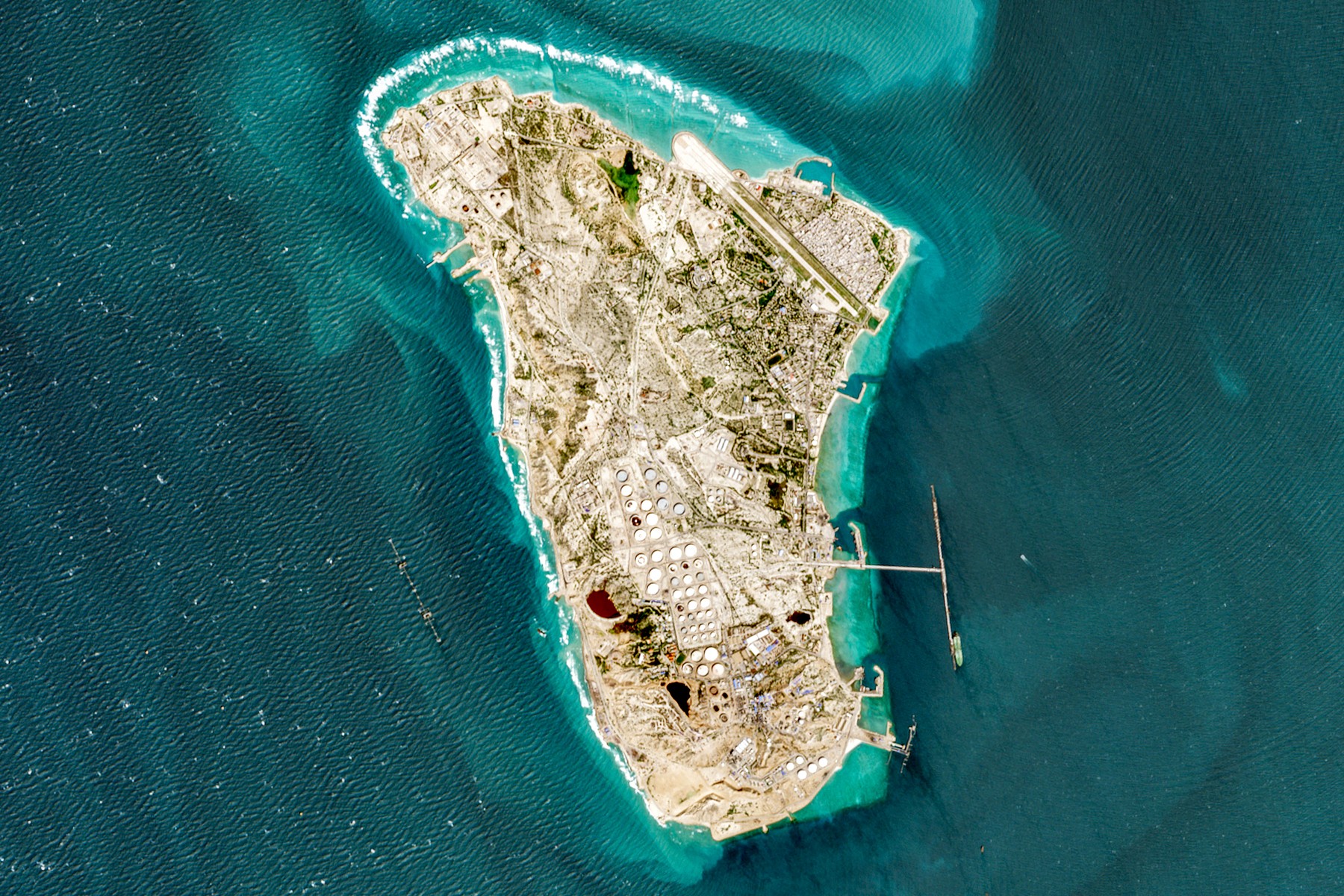
The Tehran regime has set traps and sent additional military personnel and air defense systems to Kharg Island in recent weeks in preparation for a possible US attack, according to US intelligence reports cited by CNN.
The Trump administration has considered using US troops to seize control of Kharg Island in the northeastern Persian Gulf, a vital economic artery for Iran that handles about 90 percent of the country's oil exports.
The occupation of the island would be a method of pressure exerted on the Iranians to force them to reopen the Strait of Hormuz.
It is unclear, however, whether this operation will take place. U.S. officials and military experts said such a ground mission would involve significant risks, including large numbers of American casualties.
The island has a multi-layered defense system, and the Iranians have moved additional surface-to-air missile systems there in recent weeks.
Iran has also placed booby traps, including anti-personnel mines, around the island, the sources said, including on the shore where US troops could land if President Donald Trump decided to go ahead with a ground operation.
Iran's warning
Some of the president's allies have also raised questions about the need for such an operation, given that capturing the island would not directly solve problems related to the Strait of Hormuz and Iran's control of the world energy market.
The US military had already struck the island on March 13, with Central Command saying 90 targets had been hit, including “naval mine sites, missile bunkers and numerous other military targets”. Trump announced the attack, saying US forces had avoided hitting oil infrastructure on the island “for reasons of decency”.
The speaker of Iran's parliament warned the country's “enemies” on Wednesday not to try to occupy any Iranian islands.
“Based on some data, the enemies of Iran, with the support of one of the countries in the region, are preparing to occupy one of the Iranian islands,” Mohammad Bagher Ghalibaf wrote on X.
“All enemy movements are under the full surveillance of our armed forces. If they cross the line, all the vital infrastructure of that country in the region will become, without restriction, the target of unrelenting attacks,” he said.
American special forces have arrived in the Middle East
Two Navy expeditionary units, specializing in raid and assault missions on Navy ships, were recently deployed to the Middle East.
These units include several thousand Marines, along with warships, aircraft and assault craft. About 1,000 US soldiers from the Army's 82nd Airborne Division would also be deployed to the region in the coming days.
Another person familiar with US military planning said Central Command monitors the island almost constantly, so the military has been able to see both physical and environmental changes in areas that appear to have been mined.
US military attacks on the island have degraded some of its air and sea defenses, which include HAWK surface-to-air missiles and Oerlikon anti-aircraft guns.
US forces remain vulnerable in the event of an attack
However, US forces would remain vulnerable to Iranian ballistic missile and drone attacks given the island's proximity to the Iranian coast, and Trump administration officials are still questioning whether a ground mission is worth the risk, according to a source familiar with the administration's internal deliberations on the matter.
Gulf allies have privately urged the Trump administration not to prolong the war by sending ground troops to occupy Kharg Island or remove Iran's highly enriched uranium, a senior Gulf official said.
The concern is that seizing the island would cause numerous casualties, possibly triggering Iranian retaliation against Gulf infrastructure and prolonging the conflict, the senior Gulf official said.
Instead, the Gulf countries are pressing US officials about the need to dismantle Iran's ballistic missile program before the conflict ends, which US officials agree to.