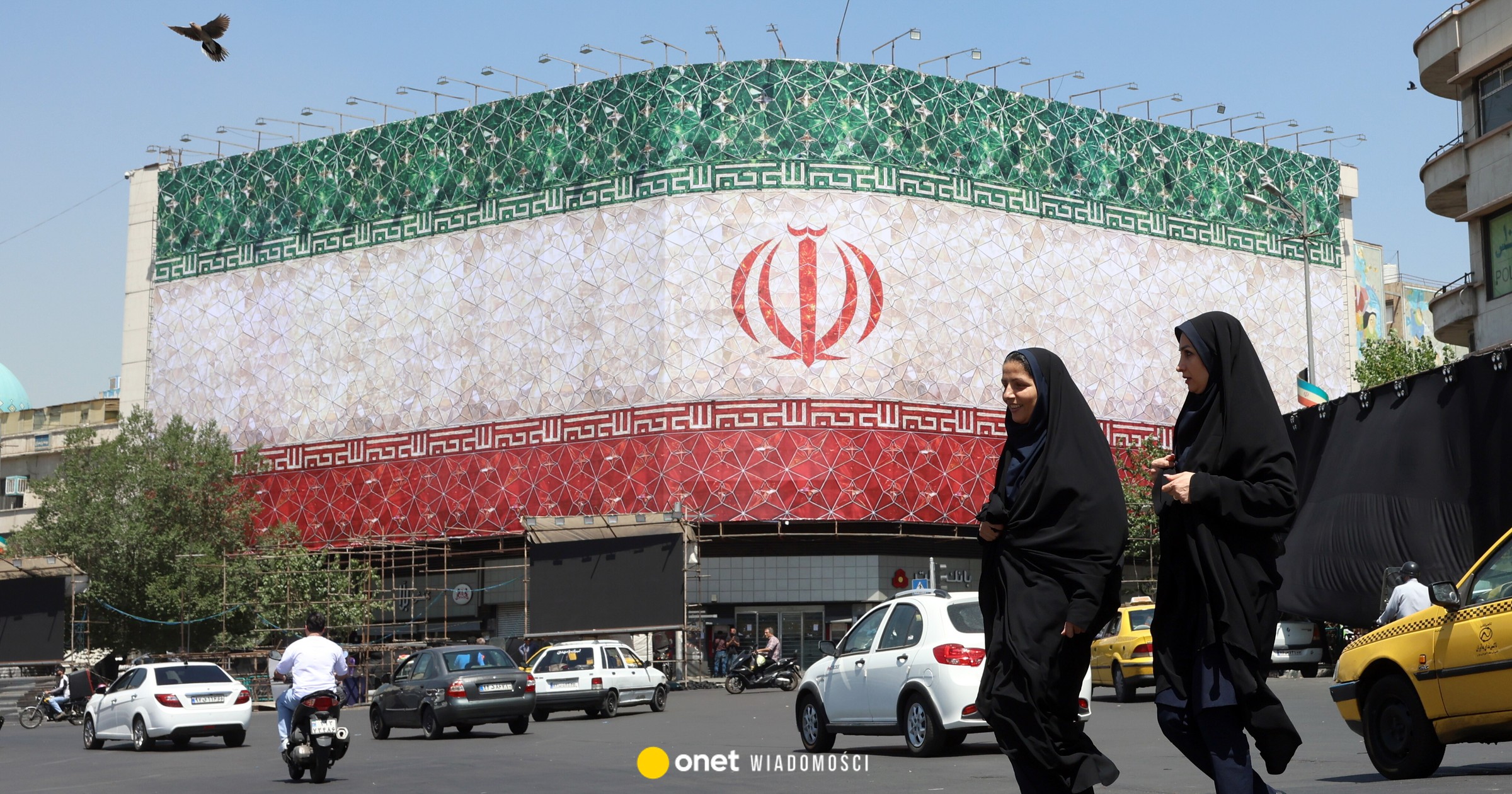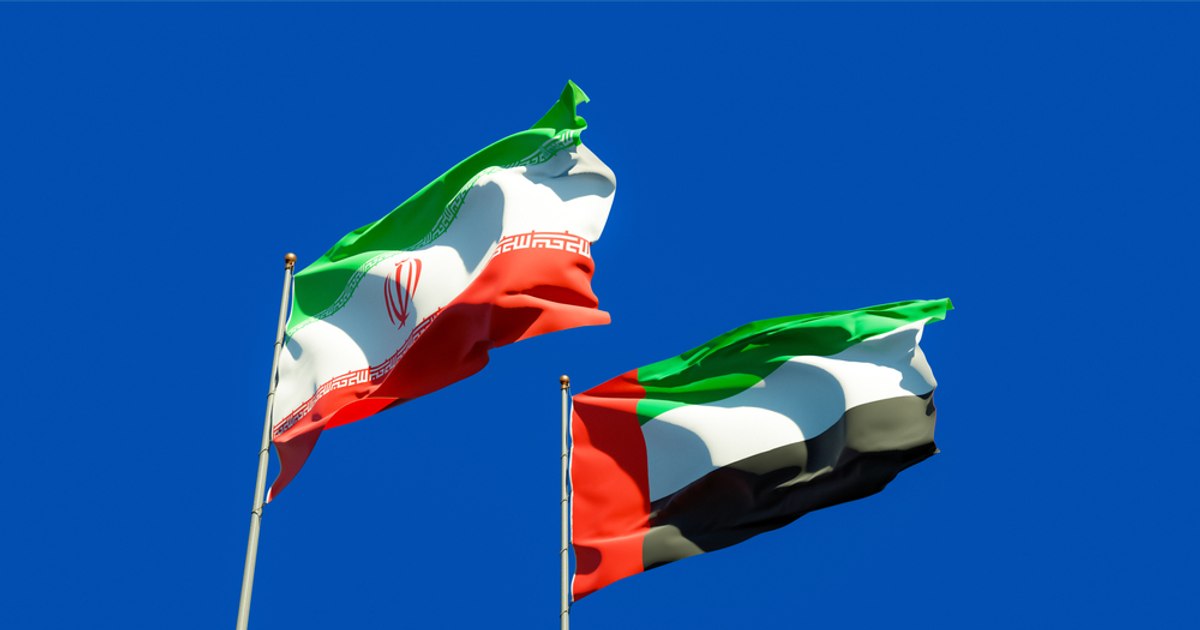
The United Arab Emirates has condemned attacks attributed to Iran on shipping in the Strait of Hormuz, warning that they pose a major threat to global energy security.
The United Arab Emirates accuses Iran of “economic terrorism”. PHOTO: Shutterstock
The statements were made by Sultan Ahmed Al Jaber, Minister of Industry and Advanced Technology and CEO of Abu Dhabi National Oil Company, at the CERAWeek conference organized by S&P Global.
“Let's be very clear: turning the Strait of Hormuz into a weapon is not an act of aggression against a single country. It is economic terrorism against every nation and no country should be able to hold Hormuz hostage, not now or ever“, the official said.
The Strait of Hormuz is considered the most important route for the transportation of oil worldwide, with about 20% of global supplies passing through this area before the conflict escalated. After the attacks on ships in the Persian Gulf, oil tanker traffic was almost completely blocked, heightening fears about the stability of the markets.
In this context, Al Jaber insisted that the problem is not one of supply, but of security.
“While we appreciate all efforts to stabilize markets and reduce prices, it must be clear: this is not a supply issue. It is a security issue and has only one sustainable answer, keeping the straits open,” he declared.
Tensions in the region rose after the attack launched by the United States and Israel on Iran, which killed Supreme Leader Ali Khamenei. Tehran later retaliated, and UAE authorities say they were targeted with hundreds of missiles and drones.
The Abu Dhabi official described the attacks in stark terms: “The UAE has been hit by an illegal, unpredictable, unwarranted and completely unprovoked attack. We did not ask for this conflict. In fact, we did everything possible to prevent it.”
Amid the escalation, President Donald Trump has threatened further strikes on Iran, including on energy infrastructure, if traffic through Hormuz is not resumed. It later announced it was postponing the actions for five days after discussions it described as “productive”.
The reaction of the markets was not slow: oil prices fell sharply after these statements, although overall they had risen significantly since the beginning of the conflict.
The situation in the Strait of Hormuz remains one of the most sensitive globally, and the blockade of this strategic route continues to fuel fears about international economic stability.