Russia is preparing to send all mobilized personnel from occupied Crimea into active combat operations against Ukraine starting April 1, according to Ukraine's Southern Defense Forces, in a move that signals increasing pressure on Moscow's military resources as the war drags on, Euromaidan Press reports.
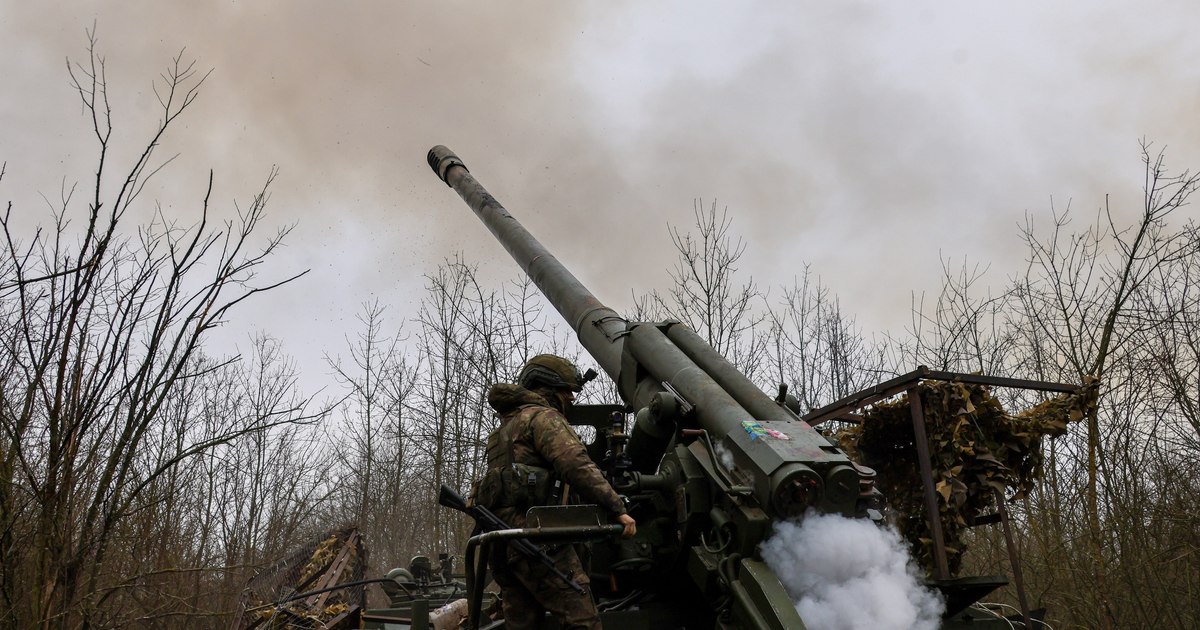
Russian soldiers on the battlefield PHOTO profimedia
Colonel Vladislav Volosyn, spokesman for the southern Ukrainian military command, said the decision marked a change from previous assurances that Crimeans would not be sent to the front line. Instead, those mobilized on the peninsula are now to be deployed on the battlefield, mainly to reinforce units already engaged at the front and to replace wounded soldiers.
The development highlights, according to Ukrainian officials and analysts, Russia's increasing reliance on mobilized personnel to support its war effort. According to Voloșin, some of the new envoys will take over the roles previously occupied by soldiers who returned after medical treatment, but were considered unfit to continue serving in the front line. This rotation system reflects the growing need to fill depleted squads as experienced personnel are withdrawn due to injury or exhaustion.
Analysts at the Washington-based Institute for the Study of War (ISW) also assessed that Russia's use of conscripts is likely driven by heavy battlefield casualties and persistent difficulties in recruiting sufficient volunteers.
At the same time, Russia plans to reorganize and strengthen its military units. Volosin said a Marine infantry unit stationed on the peninsula is to be expanded into a larger formation, part of a larger restructuring effort aimed at maintaining long-term combat capability.
These changes come as Russian forces are sending additional units to southern Ukraine, where Ukrainian counterattacks have increased pressure on certain sectors of the front. Fighting was particularly intense in sections of the front in Zaporizhia and Donetsk, and Voloshin indicated that the new units could be involved in combat operations as early as April.
He added that Russia was reinforcing its southern groupings with reserve troops and had transferred hundreds of armored vehicles to the area, suggesting preparations for continued or expanded fighting in the coming weeks. ISW previously reported that elements of these reinforcements had already begun to move south in response to Ukrainian attacks.
Analysts believe that these developments – redeployments, reinforcements and the decision to use all mobilized personnel from Crimea – indicate pressure on Russian forces on several fronts. While Moscow could try to prepare a larger offensive, those efforts are complicated by the need to simultaneously respond to Ukrainian counterattacks.
Separate reports indicate that Russia's problems are not limited to frontline units. According to the ATEȘ partisan movement, air defense units in Crimea have suffered repeated losses in recent months, which has drawn Moscow's attention. An inspection commission has reportedly been sent to Sevastopol, and changes in the leadership of the 31st Air Defense Division are being considered.
The division, part of the 4th Air and Air Defense Army, is responsible for protecting the airspace over Crimea and operates advanced S-400 Triumf systems. However, reported losses and recent Ukrainian drone attacks on radar systems and command infrastructure have reportedly weakened its effectiveness, raising concerns about possible breaches in the peninsula's defenses.
Ukraine's Special Operations Forces have claimed a series of recent strikes against Russian military targets in Crimea and the Donetsk region, highlighting the widening conflict and the difficulties Russia faces in trying to maintain control over the occupied territories as it prepares for the next phase of the war.