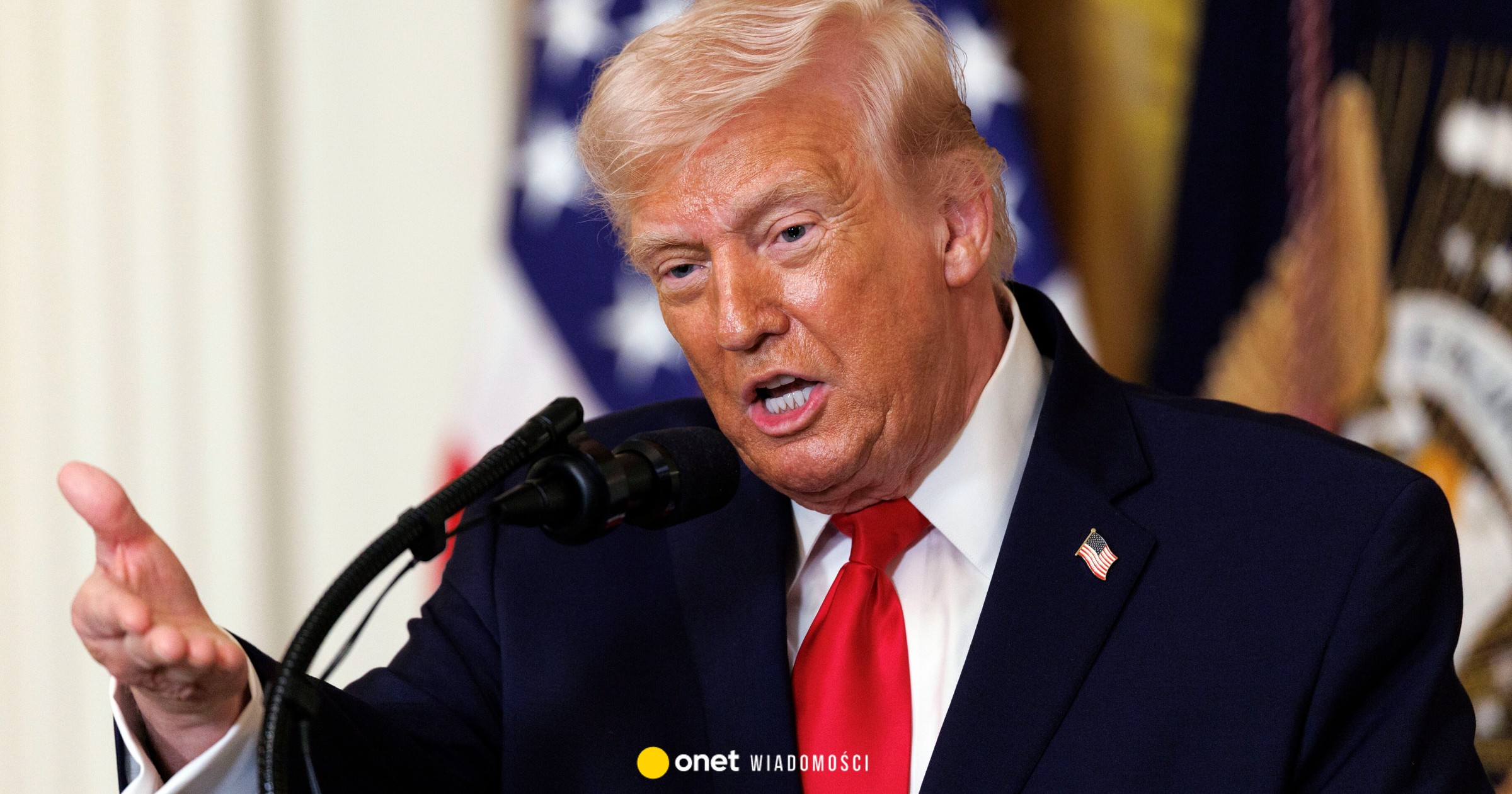
The function that opened the doors of power during the communist period. It was owned by Stalin and Ceaușescu. Iliescu was also one step away


In the Romanian Communist Party there was a specific function that opened the way to absolute power. Whoever ended up in that position, it was clear that he would be the successor to the “throne” of Socialist Romania. It is the position that Nicolae Ceaușescu held, later also coveted by Iliescu.
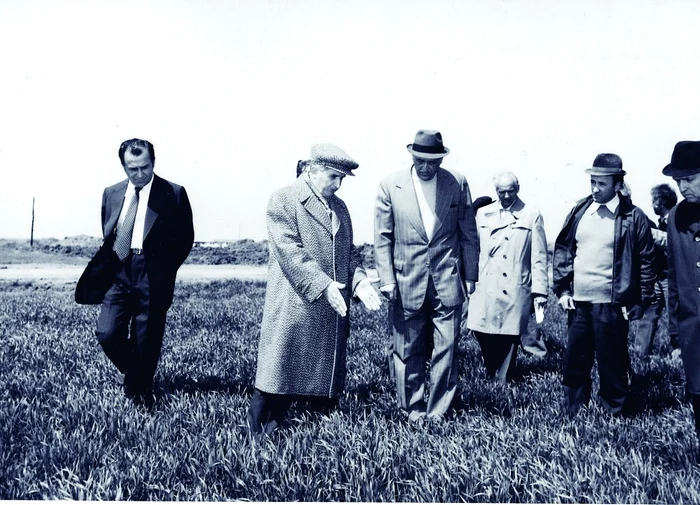
Iliescu (on the left), accompanying Ceaușescu on a visit to the field
The highest position in the apparatus of the Romanian Communist Party was that of first secretary or better said general secretary. Being a single party, the first secretary was practically the de facto leader of the entire country, holding real power and control over the entire state apparatus. It was the position to which, perhaps, in the hidden recesses of consciousness, many of the most zealous party members aspired. Especially those from the leadership structures of the party. The key to the supreme status within the Communist Party and implicitly leader of Socialist Romania was, however, another function. Namely that of party secretary in charge of the Organization. That is, he was responsible for putting directives from above into practice, managing party activity, human resources and, crucially, vetting party members. The textbook example of the rise from this position is that of Nicolae Ceaușescu.
A zealous young communist with poor education and easy to control
This was the impression that Ceaușescu had made on the Communist Party “bosses” after 1946. Ceaușescu was 28 years old at that time. He had already gone through the stage of being an illegal, doing political imprisonment including in Doftana, where he had met Gheorghe Ghiorghiu Dej, but also other heavyweights of the party such as Vasile Luca, Alexandru Moghioroș, Chivu Stoica and Gheorghe Apostol.
Being zealous and especially showing total loyalty, the young Ceaușescu made a good impression on Dej. He considered that Ceaușescu had no way of being a rival within the party, especially because he had a poor education and had no connections with the Russians or their people on Romanian territory. That is, it seemed harmless but at the same time very useful in “building socialism” and executing orders. That is precisely why Ceaușescu became the soul child of Gheorghe Ghiorghiu Dej, the de facto leader of communist Romania starting at the end of 1947, after the forced abdication of King Mihai I and the proclamation of the People's Republic of Romania (in other words, the transformation of Romania into a communist state). Ceaușescu was part of Dej's close circle and benefited from his political support, being gradually promoted to the leadership of the party.
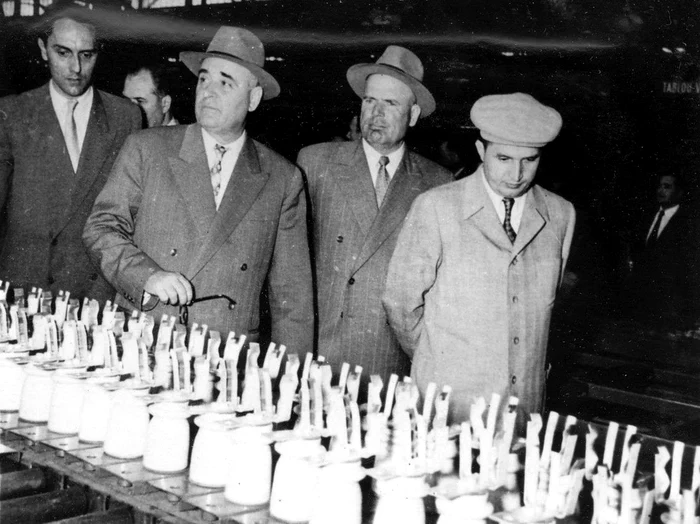
Ceaușescu and Dej visit a factory
After 1946, Ceaușescu received several positions in the party structures and in the state apparatus. He became responsible for organizing the communist youth and was involved in strengthening the party's control over the military and society. In 1948, Ceauşescu was already undersecretary of state in the Ministry of Agriculture in the Petru Groza Government. In 1950 he became deputy minister of the armed forces, a position that gave him influence in the military structures.
Ceausescu pleased with his zeal and at the same time kept the appearance of the uneducated young communist, easy to control but very loyal. He showed his “talent” in the collectivization process, especially in the Vrancea area. More precisely, in Vrancea in December 1957, there had been a great revolt of the peasants who opposed the forced collectivization. Ceaușescu led the military units that suppressed the peasant uprising in Vadu Roşca. He had the rank of army lieutenant general, being the head of the Higher Political Directorate of the Army and deputy of the Minister of the Armed Forces.
Stalin dies, Ceaușescu is “born”.
However, Ceaușescu was neither naive nor easy to control. He just allowed himself to be controlled and found a way to get under the skin of the current leaders of the Communist Party. Ceaușescu was an ambitious guy, probably pushed from behind by Elena, his wife. He waited for the opportune moment with extraordinary patience, methodically, without making mistakes, on the contrary, feeding Dej's sense of confidence over and over again with his loyalty.
Playing the role of the zealous and naive activist also put the vigilance of the old outlaws to sleep. In addition, with a Machiavellian political skill he managed to exploit the favorable moments to the maximum. In March 1953, Stalin, the feared leader of the USSR, was dying at his cottage near Moscow. For Ceaușescu, Stalin's death meant a chance to enter the party apparatus. More precisely, Dej begins to break away from the influence of the Soviet Union and lay the foundations of an “original” Romanian communism. In short, the “de-Stalinization” of Romania was beginning.
And this phenomenon also implied the ostracism of the agents of the Stalinist-communist regime in Romania, including Ana Pauker, but also numerous other “illegals”. Effectively, Deja found the reason to purge the party of the old communist elements from the interwar period, especially party intellectuals who could have turned into rivals and critics of the personal regime. In their place, Dej decided to promote the people he considered loyal within the party. More precisely, he inaugurated the collective management together with four other secretaries, each with his own field of activity. Ceaușescu, Dej's soul child, was also elected secretary of the Central Committee.
Ceaușescu's sovereignty and the condemnation of Romania to isolation. How the dictator gave up the economic facilities of the USA to keep the Romanians locked up in the country
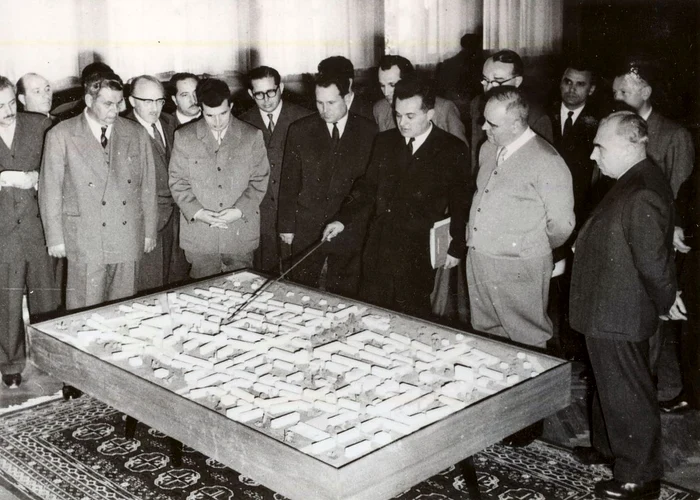
Ceaușescu with Ghiorghiu Dej FOTO online photo library of Romanian communism
And this is mainly due to the fact that, in the context of the internal struggle for power in the party, Ceaușescu remained a loyal ally of Gheorghiu-Dej and supported the gradual elimination of political rivals. First of all, he created a place for himself in the upper part of the party structure, and secondly, he got rid of those who really carried out subversive activities in the interwar period, the “class struggle”, people who would not have legitimized him with anything in the future. During the time of Gheorghe Gheorghiu Dej, Ceauşescu became the second man in the party.
The feature that gave you all the leverage to wield ultimate power
The secret of Ceaușescu's rise as supreme leader was closely related to the position of secretary of the Central Committee. It was the kind of place where unless you wanted to, you couldn't get your hands on the real levers of power. More precisely, Ceaușescu was the secretary with the Organization. That is, responsible for the organization and the staff.
Or better said, Ceaușescu had the opportunity to create an entire clientelistic network everywhere in communist Romania, from the lowest to the highest level, through hiring, appointments and promotions. He took care to appoint to key positions people who owed him everything and who knew that only by supporting him would they enjoy a privileged life and a career in the party. In addition, he was careful to place people whom he could easily control and manipulate. In other words, Ceaușescu isolated Dej in a crystal ball. The entire state apparatus was in Ceaușescu's hands and loyal to him. Obviously with strict exceptions.
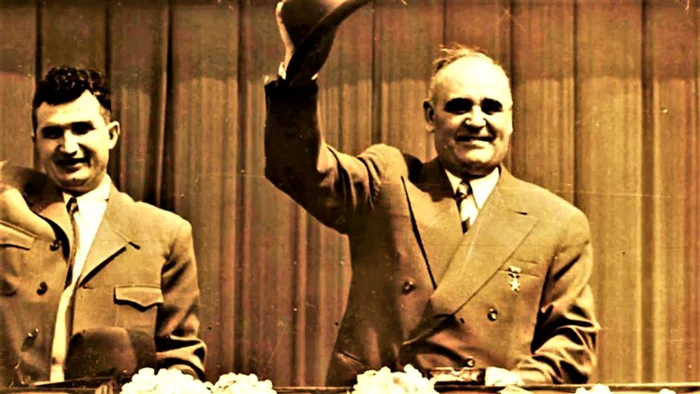
Ceaușescu and Dej
“In his capacity as head of the Organizational Directorate, Nicolae Ceauşescu had two major gains in relation to the other dignitaries. The first – detailed knowledge of the party's policies in all areas. The second – almost unlimited power over the immense territorial apparatus and the creation of a power base within the central apparatus. Cadres rule everything, said Stalin, whose power in the party had also thickened its roots”it is shown in the work “Son of the People”, by specialists Lavinia Betea, Cristina Diac, Florin Răzvan Mihai and Ilarion Ţiu.
In other words, it was not Ceaușescu's own recipe, but one consecrated in the ranks of the communists. Who controlled the cadres, controlled the party and opened the doors of power alone. “The “misfortune”, Alexandru Bârlădeanu noticed too late, was caused by the fact that Gheorghiu-Dej, being preoccupied at that time with the acquisition of independence in relations with the Soviets, in relations with China and with CAER, left the internal problems of the party to Ceausescu. He imposed his people at the level of the regions. This is how the young dignitaries explained the success of Ceausescu in 1965″is shown in “Son of the People”.
Parallel destinies: in 1989, Ali Khamenei began his rise with a visit to Bucharest. Nicolae Ceausescu was dying after a visit to Tehran
This cadre control proved its effectiveness after the death of Gheorghiu-Dej in March 1965, when the people in the party leadership had to choose a new leader. Although there were several important candidates, Ceaușescu was initially perceived as a figure of compromise, able to maintain the balance between the various factions in the party. Thus, in 1965, Nicolae Ceaușescu was elected first secretary of the Romanian Communist Party, becoming the political leader of Romania.
This position gave him control of the party and, by implication, the state, marking the beginning of a period of personal rule that would last over two decades. “Nicule, but you took the leadership in 1965 because you nominated most of the members of the Central Committee and the county leadership for positions. And if Apostol had come to the Central Committee with a candidacy, you would also have taken the leadership – because they would have voted for you”Elena Ceaușescu explained the whole situation in a few words. Including Ion Iliescu, Ceaușescu's right-hand man until 1971, he was one step away from obtaining this position of secretary with the Organizer. Sensing the fact that Iliescu could replicate his recipe, it is said that Ceaușescu flattered him.