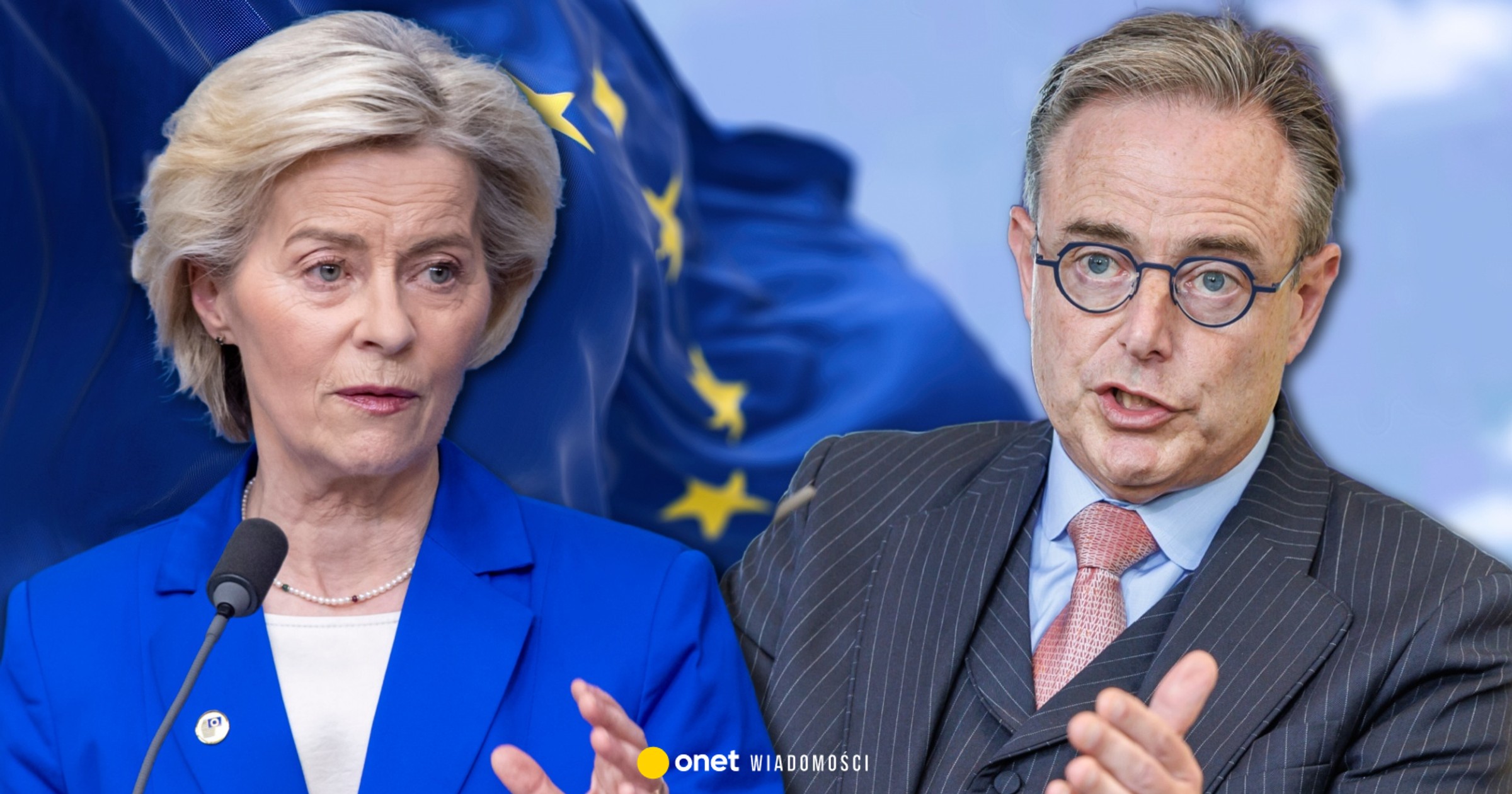
During the December 18 summit, the main task of EU leaders will be to convince Bart De Wever the newest enemy of the block. The Belgian Prime Minister is blocking EU efforts to provide Ukraine with a loan of EUR 210 billion (almost PLN 888 billion), while the country is struggling with a huge financial hole and the war with Russia continues.
De Wever has long opposed plans to finance the loan with frozen Russian assets – most of which happen to be located in Belgium – so diplomats from across the EU are now working on a strategy to convince him to support the plan. It can bring out the heaviest guns for this purpose.
De Wever is holding off for fear that Belgium will have to repay the money and is demanding additional security. Almost all Russian assets are held in Euroclear, a financial depository in Brussels.
The Belgian Prime Minister wants the EU to provide an additional cash reserve on top of financial guarantees and increased safeguards in the event of potential legal disputes and settlements. It's an idea that many governments oppose.
Belgium has sent a list of amendments it wants to ensure it is not forced to repay the money to Moscow itself if sanctions are lifted. De Wever said that will not support a reparations loan if its concerns are not addressed.
The leaders thought they would reach an agreement when they last met in October. Back then, it was impossible to imagine that they would not be able to reach a compromise by December. Now it seems likely.
Desperate times call for desperate measures
According to diplomats, not all is lost yet. Ambassadors to the EU will analyze Belgium's demands in detail, identify the most important issues and try to solve them. There is still room for maneuver. The plan is to come as close to Belgium's position as possible.
However, a week before the meeting of EU leaders, he tightens the screws. If De Wever continues to block the plan – which he has been doing for several months by presenting additional conditions and demands – he will find himself in an uncomfortable and extremely difficult situation for the leader of a country that has long been an EU supporter, according to an EU diplomat with knowledge of the talks.
Belgian leader will be excluded and ignored, just like Hungary under Viktor Orbanwhich have faced a harsh backlash due to their democratic backsliding and refusal to cooperate on sanctions against Russia.
The message to Belgium is that if it does not join the plan, its diplomats, ministers and leaders they will lose their voice at the EU table. Officials will set aside Belgium's wish list and its concerns about the EU's long-term budget for 2028-2034, which will cause serious problems for the government, especially as negotiations enter a decisive phase in 18 months.
— No one will ask for his opinion on the EU proposals, and no one will answer his calls, adds the diplomat.
This would be a difficult reality for a country that is both literally and symbolically at the heart of the EU project and which has demonstrated outstanding achievements in key roles such as the Presidency of the European Council.
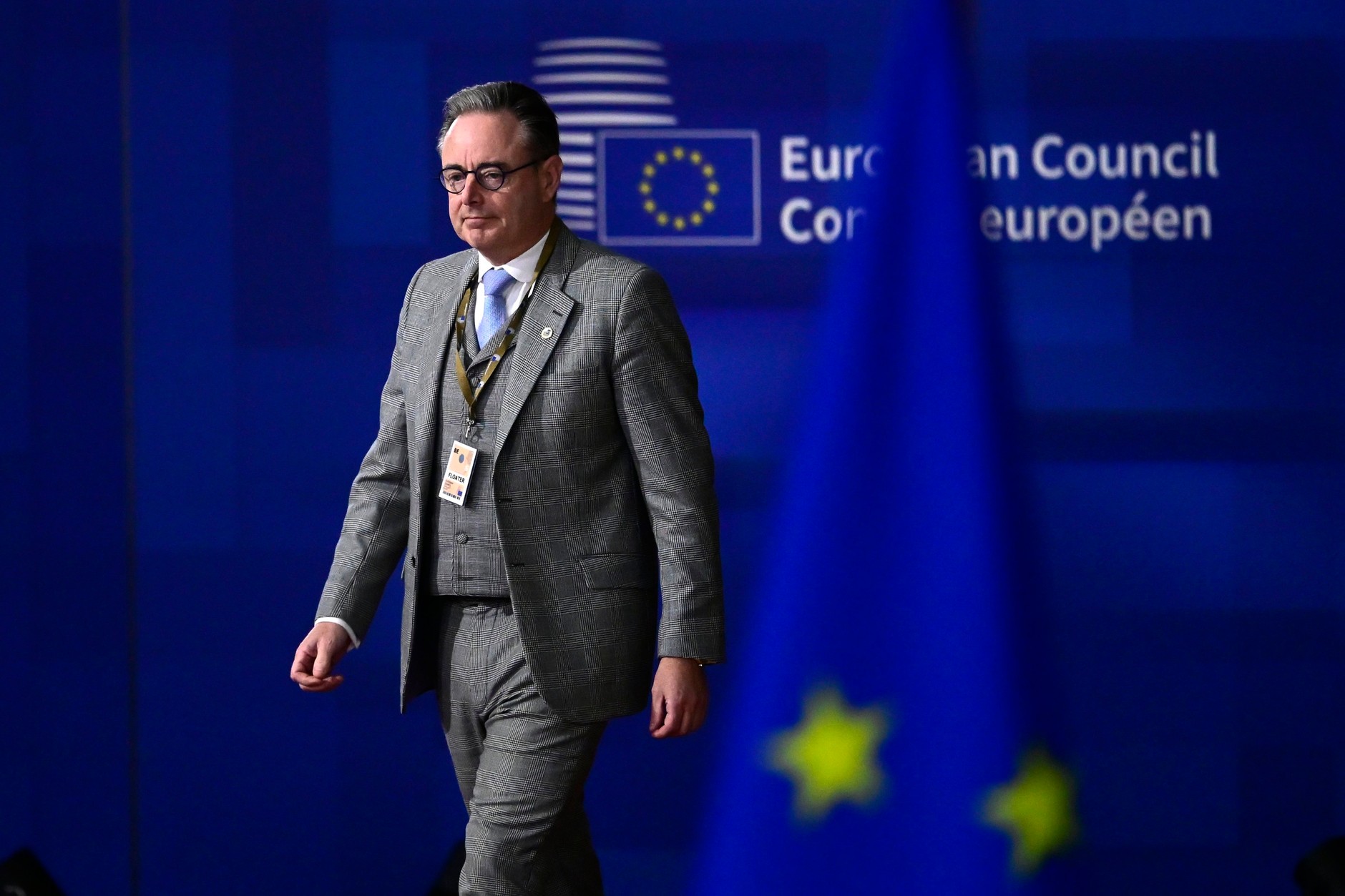
Prime Minister of Belgium Bart De Wever, Brussels, October 23, 2025PHILIP REYNAERS/Getty Images
However, diplomats say that Desperate times call for desperate measures. Next year, Ukraine will face a budget deficit of EUR 71.7 billion (PLN 300,639 million) and will have to start reducing public spending from April unless it manages to obtain financial resources. US President Donald Trump once again distanced himself from providing US support to Kiev.
Underscoring the high stakes, EU ambassadors are meeting three times this week – on Wednesday, Friday and Sunday – to discuss the Commission's loan proposal, published last week.
Plan B — and Plan C — for Ukraine
The European Commission has presented yet another option for financing Ukraine: joint debt secured by the next seven-year EU budget.
Hungary has officially ruled out issuing Eurobonds, and taking out debt from the EU budget to support Ukraine requires a unanimous vote.
So there remains plan C: some countries will dip into their own treasuries to keep Ukraine afloat. This prospect is not among the Commission's proposals, but diplomats are discussing it quietly. Germany, the Scandinavian and Baltic countries are seen as the most likely participants.
However, those proposing this idea warn: The most important benefit of EU membership for the countries belonging to the bloc is solidarity. By forcing some member states to shoulder the financial burden of supporting Ukraine themselves, the bloc runs the risk of a serious split at its core.
According to this reasoning, in the future Germany may not decide to support a failing bank in a country that will not provide cash for Kiev now.
— Solidarity is a two-way street, the diplomat emphasizes.
Of course, there is another solution – but only in theory. EU leaders, De Wever's colleagues, could join forces and adopt a “reparations loan” plan through the so-called qualified majority vote, ignoring Belgium's objections and simply pushing through. But diplomats say this is not being seriously considered.