The Pentagon has slashed offices that monitor civilian casualties as it investigates an attack on a school in Iran


The United States Secretary of Defense, Pete Hegseth, has drastically reduced the activity of some offices of the United States Department of Defense (Pentagon) that monitored civilian casualties in military operations, even as the institution investigates an attack on a girls' school in Iran, which resulted in many casualties, reports Politico.

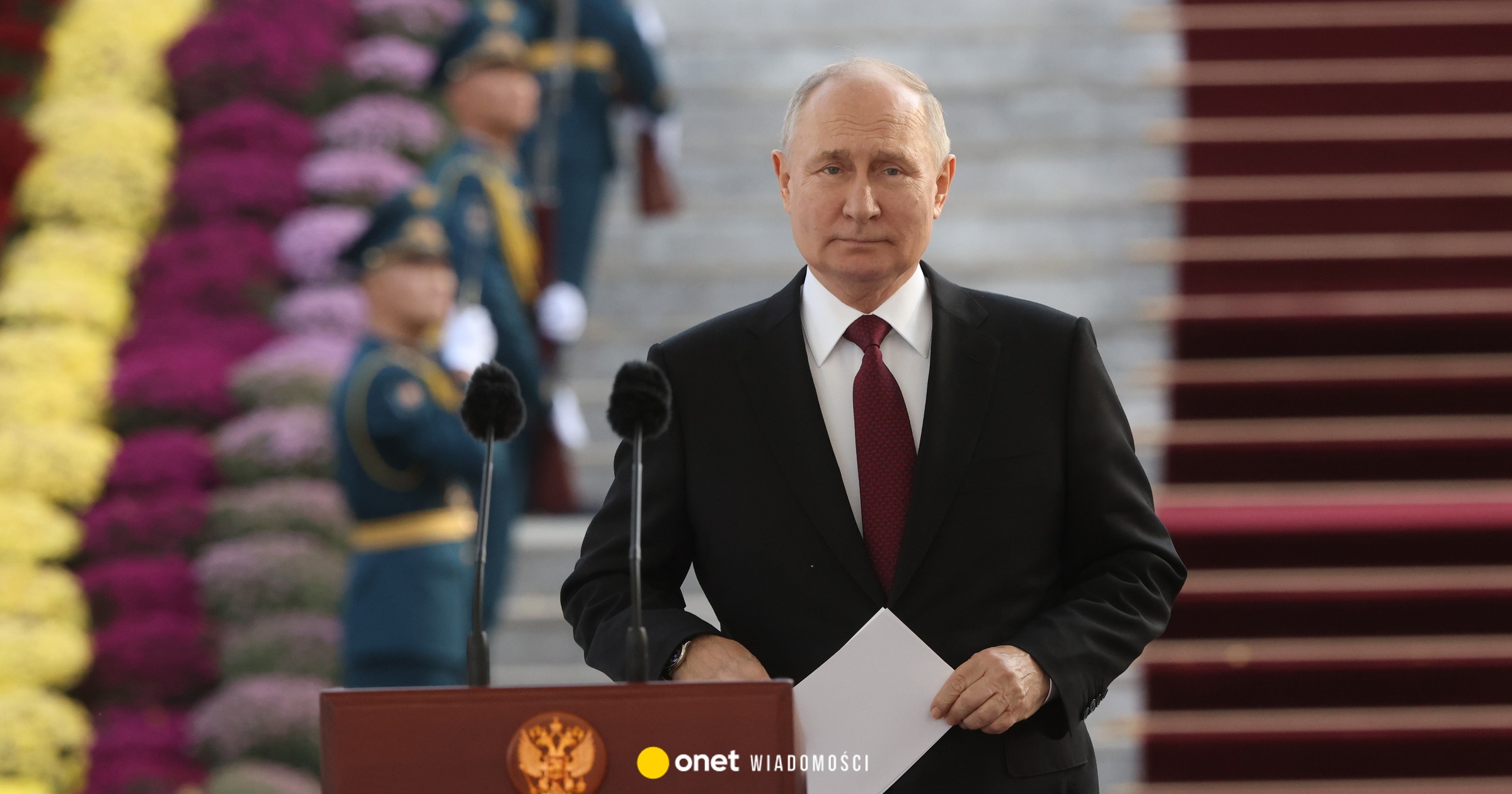
United States Secretary of Defense Pete Hegseth. PHOTO: Profimedia
According to the publication, the decision seriously affected the US ability to analyze and prevent the loss of human life among civilians, in the context of the most intense air campaign in recent decades.
Massive staff reductions
Last year, Pete Hegseth decided to eliminate some offices that, in his opinion, did not contribute directly to the goal of “lethality” of the army. Among them is the group specializing in reducing the risks to civilians, known as the Center of Excellence for the Protection of Civilians.
Although these structures cannot be officially closed because they are approved by Congress, they have become nearly non-functional, according to several former and current officials cited by Politico.
About 200 employees working in the field of civilian protection were cut by about 90%. The situation is even more drastic at the United States Central Command (CENTCOM), responsible for operations in the Middle East, where the civilian casualty team has dwindled from 10 members to just one.
Investigation into the attack on a school
The staff cuts come as the Pentagon reviews US responsibility for an attack on an elementary school in Iran, considered by some sources to be the worst civilian casualty incident involving the US military since 2003.
Iranian state media claim that around 170 children and 14 teachers died in the attack.
“The fact that our secretary of defense, the commander of Central Command, cannot tell us whether or not they dropped a bomb at this location is incredibly unacceptable.”said Wes Bryant, former head of civilian damage assessment at the Pentagon.
“The fact that they are clueless further points to the recklessness in the planning and execution of this campaign,” he added.
“We give free rein to our soldiers”
Pete Hegseth argued that the United States takes more precautions than any other country to avoid civilian casualties, but he also criticized the military's rules of engagement.
“We give our soldiers free rein to intimidate, demoralize, hunt and kill the enemies of our country,” he he declared in a press conference about the American-Israeli military operation.
The defense secretary added that the military would act “without politically correct and authoritarian rules of engagement, only common sense, maximum lethality and authority for soldiers.”
Over 5,000 targets hit
During the 12-day conflict, the United States and Israel struck more than 5,000 targets in Iran.
An analysis by British organization Airwars shows that more targets were attacked in the first 100 hours of the military campaign than in the first six months of the US-led bombing campaign against Islamic State.
The attack on the school would have taken place in the first hours of the campaign. Iranian authorities say a US missile destroyed the building, located near an Islamic Revolutionary Guard Corps base.
Video images from open sources would indicate the use of a Tomahawk cruise missile, a weapon possessed only by the US and two other states — Australia and the United Kingdom — but which are not participating in the current military campaign.
Civilian protection organizations say the downsizing is a dangerous decision.
“The Department of Defense has cut funding for critically important civilian protection functions at a time when they are desperately needed,” said Annie Shiel, representative of the organization Center for Civilians in Conflict.
According to her, the problem is not only the reduction of personnel, but also the fact that the protection of civilians is no longer a priority.
“The policies are still in place, but they don't have the resources or coverage to be fully implemented. In the end, it's the civilians who pay the price.”Shiel said.