The most spectacular technique of decorating Easter eggs: The magic of discomfort explained step by step

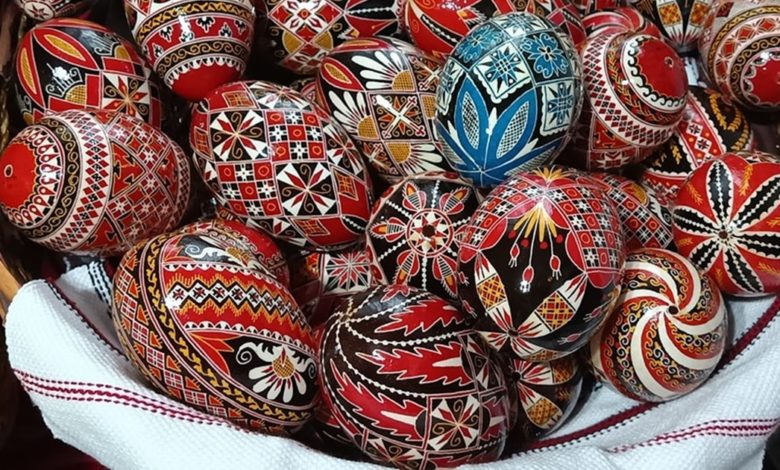
The setting of eggs with bees wax, an ancient tradition associated with Easter period, is an emblematic custom, especially in the historical regions of Romania, such as Moldova, Maramureș and Transylvania. Learn how to set the Easter eggs using a traditional technique, which creates unique and sophisticated models. Follow the simple steps for a perfect decoration.
During Easter, egg decoration represents a special tradition for both Orthodox and Catholics, and the techniques used vary from the simple and traditional ones to the most sophisticated, each having their own symbolism. From natural painting, obtained with ingredients from nature, to chemical solutions and advanced wax setting technique, there are numerous ways to customize Easter eggs.
Countless videos are available on social networks that explain step by step how to apply wax on eggs, bringing to the fore this special and traditional technique, which offers a visual demonstration of the process. We chose to detail this topic, because the setting of bee wax eggs is the most spectacular and refined decoration technique, being a real form of craft and art with a deep symbolism.
To give a full perspective, we made a collage (See video 1) with short videos that illustrate various ornament techniques, both from Romania and from Ukraine, highlighting both the similarities and the differences between them. In addition, I also attached a video material made by TVR Iași with Vasilina Omania, craftsman from Brodina – Suceava frequently rewarded at the profile festivals. This gives us a detailed look at the traditional craft of eggs.
Before exploring in detail the technique of setting eggs with beeswax, also known as the closure, we will review the other popular Easter egg decoration techniques.
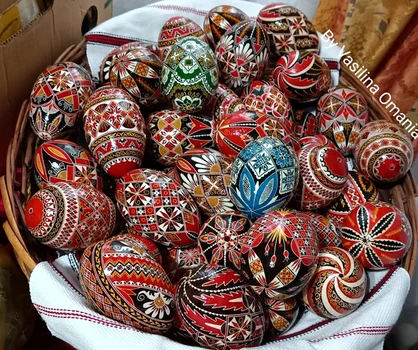
Image 1/9:
Eggs set by Vasilina Omania Source Facebook
Decorating Easter eggs to Romanians
In the Romanian culture, Easter eggs are not only symbols of Renaissance and life, but also pretexts for artistic creation and expression of tradition. The decoration of the eggs usually involves two essential stages: the painting, that is, the application of a background color, and the decoration or beautification through various techniques, from the simple ones, to the extremely elaborate ones.
Whether it is leaves applied on eggs before painting, stickers, stamps, printed silk or manual drawing of symbolic motifs, each method has its charm and carries a story transmitted from generation to generation. Especially in the rural area, these practices continue to be a living form of preserving the Romanian identity and spirituality.
In the following, we review the most popular techniques ornament – paint and decoration – Easter eggs, which combine the skill of the traditional craft with artistic sensitivity and the joy of the holiday.
1. Painting with natural solutions
This method uses ingredients in nature, such as onion shells, red beets, turmeric, walnut or horseradish, to obtain warm and vibrant colors. The natural painting of the eggs is an ecological technique, but also one with deep symbolic valences, reflecting respect for the ancient habits.
2. Painting with chemical solutions
Preferred for the speed and variety of colors, this paint method allows you to achieve spectacular results in a short time. Due to the ease of application and attractive visual effects, it is one of the most popular options among those who want to achieve spectacular results in a short time, without too much effort.
3. Decorating with stickers or stamps
A modern and accessible technique, this involves the application of stickers or models stamped directly on the shell. Whether they are floral, religious or abstract motifs, the method offers a special aesthetic effect, being ideal for families with children or for the least experienced.
4. The silk method
This technique involves wrapping the egg into printed silk pieces, followed by boiling, so that the model is transferred to the shell. The result is spectacular: fine, elegant and unique models, which give the eggs a sophisticated and artistic appearance.
5.
Considered one of the most refined and loaded with symbolism, this method implies the manual application of the melted wax on the shell, with the help of an instrument called Chisiță. The models are carefully drawn, layer by layer, before the egg is painted, resulting in true works of art.
All these methods reflect the richness of the Romanian Easter tradition and the diversity of artistic expressions that accompany this holiday.
Settlement of Easter eggs with bee wax
In the following, we will enter the fascinating universe of bee -wax eggs – a craft kept with holiness and transmitted from generation to generation, especially in areas such as Bucovina, Maramureș, Oașului Country or Bran area.
The setting of eggs, in the archaic form of the craft, was done only by women and involved several operations: setting, hardening and blushing.
In the Argeș area, for example: “At the setting, a count is used in the wax of bees mixed with fine silence powder, with which the models are drawn on the eggs. Câlți, a cylindrical beak of brass, like a very thin straw, through which a pork hair is passed, so that it can write “.
Of all the methods of decorating Easter eggs, wax setting remains the most elaborate and spectacular, being considered a true popular art form. Majesty practiced in many regions of the country, this technique implies not only skill, but also a deep knowledge of traditional symbols, each reason having a special significance on the surrounding eggs.
Necessary materials
1. Eggs (boiled and chilled) – Hold boiled eggs are used, completely cooled and well deleted, so that the wax can adhere properly to the shell.
2. Bee wax – used to draw traditional models on the egg surface.
3. Chisiță (special tool) or thin brush – for the application of the melted wax accurately.
4. Source of heat (candle or bulb) – used for melting the wax and heating the working tool.
5. Paints for eggs – after the setting, the eggs are sinking in the paint; The areas covered with wax keep their original color.
6. Soft cloth or paper – to remove the wax at the end, by heating and deletion.
7. (Optional) silk or other decorative textiles – sometimes used in combination with the wax technique for a special visual effect.
Steps for the landing of Easter eggs
Make sure the eggs are cooked and completely cooled. The peel of the egg must be clean and without cracks, to prevent any damage during the setting process.
Put the beeswax in a small bowl and melt it over low heat. You can use a stick or candle to melt wax.
Uses a special tool called “Pen to set up” (“Unconscious” or “pastern”), which can be a thin stick, to apply melted wax on the egg. This tool must be slightly heated to allow the wax to adhere properly to the egg and form fine and precise patterns. The models can be simple (lines, points, flowers) or complex, depending on your specific tradition and your preferences. So, the main difference is their design and use: the unconscious is the general term for a wax application tool, and Chisița is a more specific type of unconscious, often associated with Easter traditions in certain areas of the country.
Eggs for eggs, like beeswax, can be purchased from several sources, both physical and online, such as eMAG, Altex, joy or hobby and handicraft stores. Also, the shops of bee products or those that sell traditional products can often have quality beeswax in this technique in stock.
If you prefer to learn to use such an instrument, you can look for online tutorials on platforms like youtube, or specialized courses that will show you how to use it efficiently and create fine egg models
After applying the wax on the egg, it is ready to be painted. Choose an egg paint, which can be based on natural ingredients or chemical paint. Push the egg into the paint and let it absorb the color.
After the egg has been painted and dried, use a towel or soft cloth to gently clean the egg. The bee wax will remain in the place where you applied it, leaving the models created to stand out due to the contrast with the paint.
After the eggs have been painted and the wax has made its effect, let them dry completely before handling or putting them in baskets to be exposed.