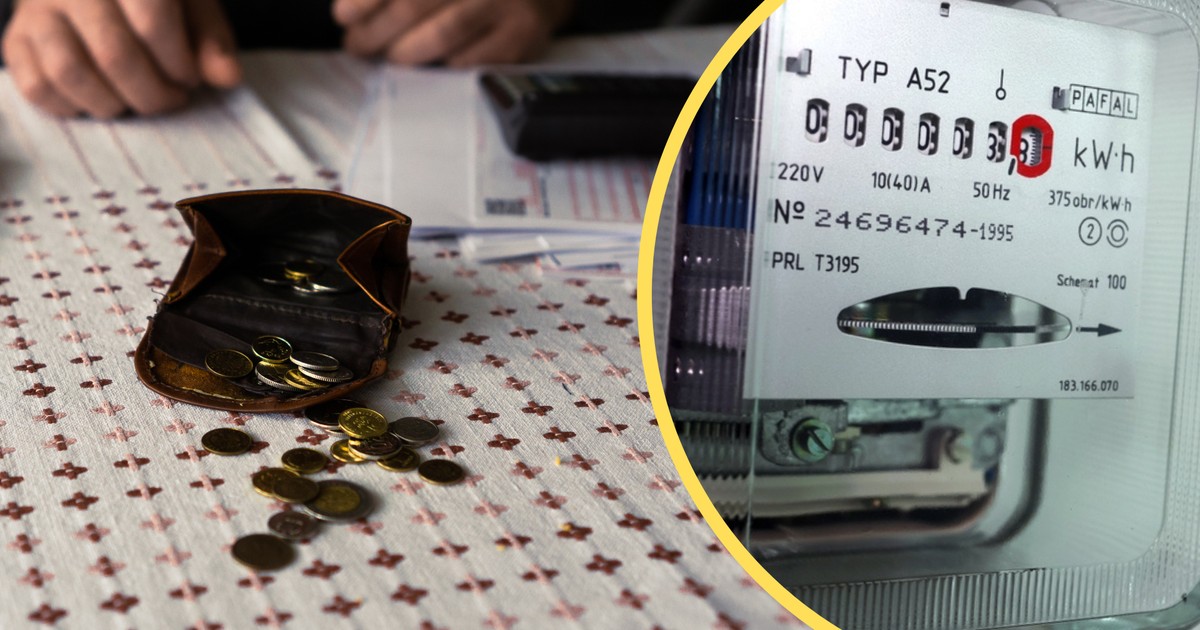
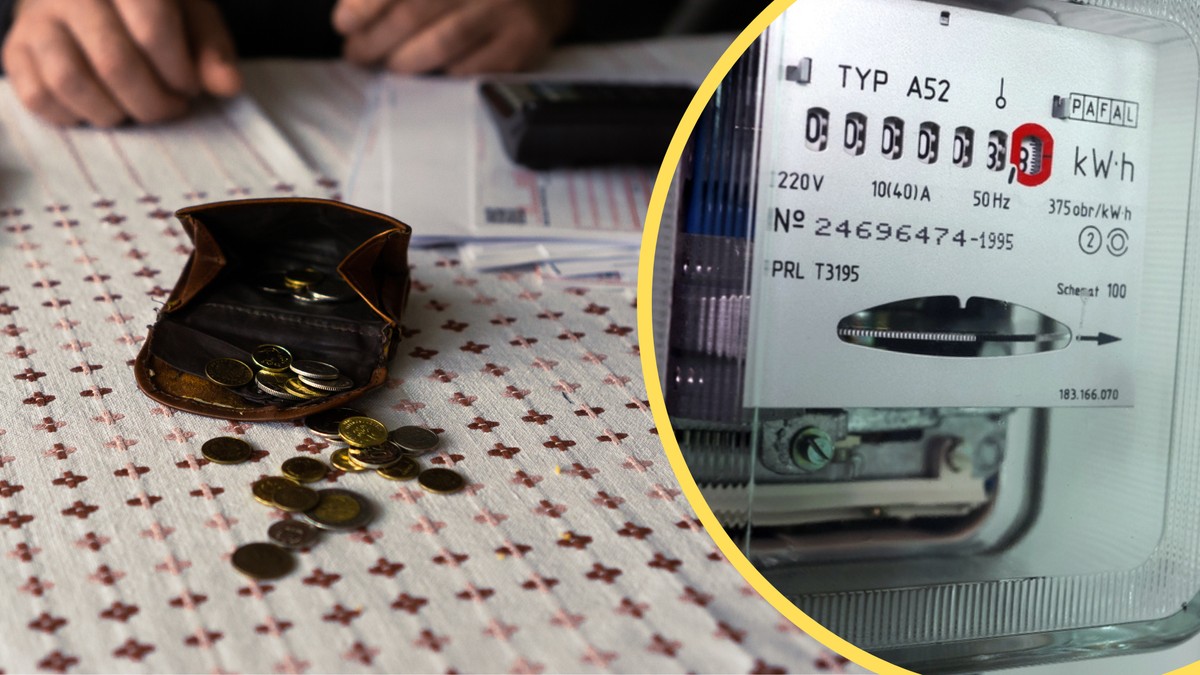
The appropriate choice of tariff group allows you to better control electricity expenses and electricity prices in households. This translates into effective management of the home budget. Poles are looking for stability, which is reflected in the fact that the G11 tariff is the most frequently chosen option.
See also: Why are your electricity bills so high? Here are the main causes and solutions
As a reminder: a tariff group is a category to which electricity consumers are assigned depending on their needs and the way they use electricity. Poles have several options to choose from, and each tariff has been created with different energy consumption patterns in mind, so you can adjust it to your own habits.
The text continues below the video
For households, the most frequently chosen tariffs are G11, G12 and G12w. Each of them differs in parameters that depend on the actual energy consumption during the day.
What is the G11 tariff? Here's how it works and when you should choose it
As explained by enerad.pl, G11 is a single-zone tariff, which in practice means that one fixed kWh rate applies 24 hours a day. There is no division into cheaper and more expensive hours, so there is no need to plan energy consumption. This is an ideal solution for people who use electricity evenly throughout the day and do not want to worry about changes in electricity prices.
The text continues below the video
The G11 tariff will work well in homes where energy consumption is not concentrated in specific hours. It is recommended for people working standard hours and those who cannot transfer the highest power consumption to nights or weekends. It is also convenient for people leading an irregular lifestyle.
Its simplicity and convenience make it used by most energy consumers. This tariff seems to be a natural choice for many Poles. It is worth remembering that it has universal application, so the cost is similar for owners of houses, apartments, as well as smaller commercial customers (e.g. summer houses, rectories).
How much does 1 kWh of electricity cost in the G11 tariff?
It is worth noting that electricity consumers also have other tariff options available. As Enerad.pl explains, G12 offers lower rates at night and off-peak, and higher rates during the day – it will be useful if you can shift some of your consumption to the evening or night hours. G12w is a weekend variant, with lower prices also on weekends. In turn, the less popular G13 introduces three different rates during the day.
See also: Electricity prices in Poland in 2026. How much does 1 kWh cost today and how will bills change?
Even if the consumer is not interested in the differences between tariffs, he is interested in the answer to the key question: how much does 1 kWh cost in the G11 tariff? As explained by the website AkademiaFotowoltaiki.pl, the price of 1 kWh in the G11 tariff in 2026 is on average from approximately PLN 0.96 to PLN 1.10 gross.
It all depends on the supplier and distributor, as well as, among others, distribution fee. For example, E.ON offers approx. PLN 0.96/kWh, while PGE and Energa offer approx. PLN 1.10/kWh.
The average electricity price in 2026 means an increase compared to 2025, when the average cost was PLN 1.11. The increases had the greatest impact on rising distribution fees.