The clearest criticism by an EU state of “unilateral US and Israeli military action” in Iran


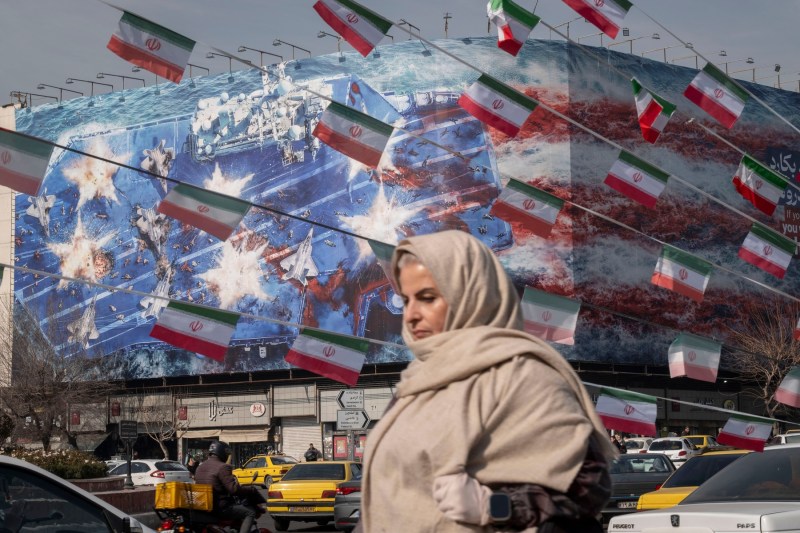
An anti-American propaganda billboard shows an illustration of the destroyed US aircraft carrier Abraham Lincoln, Tehran, Iran, January 28, 2026. Photo: Morteza Nikoubazl/NurPhoto/Shutterstock Editorial/Profimedia
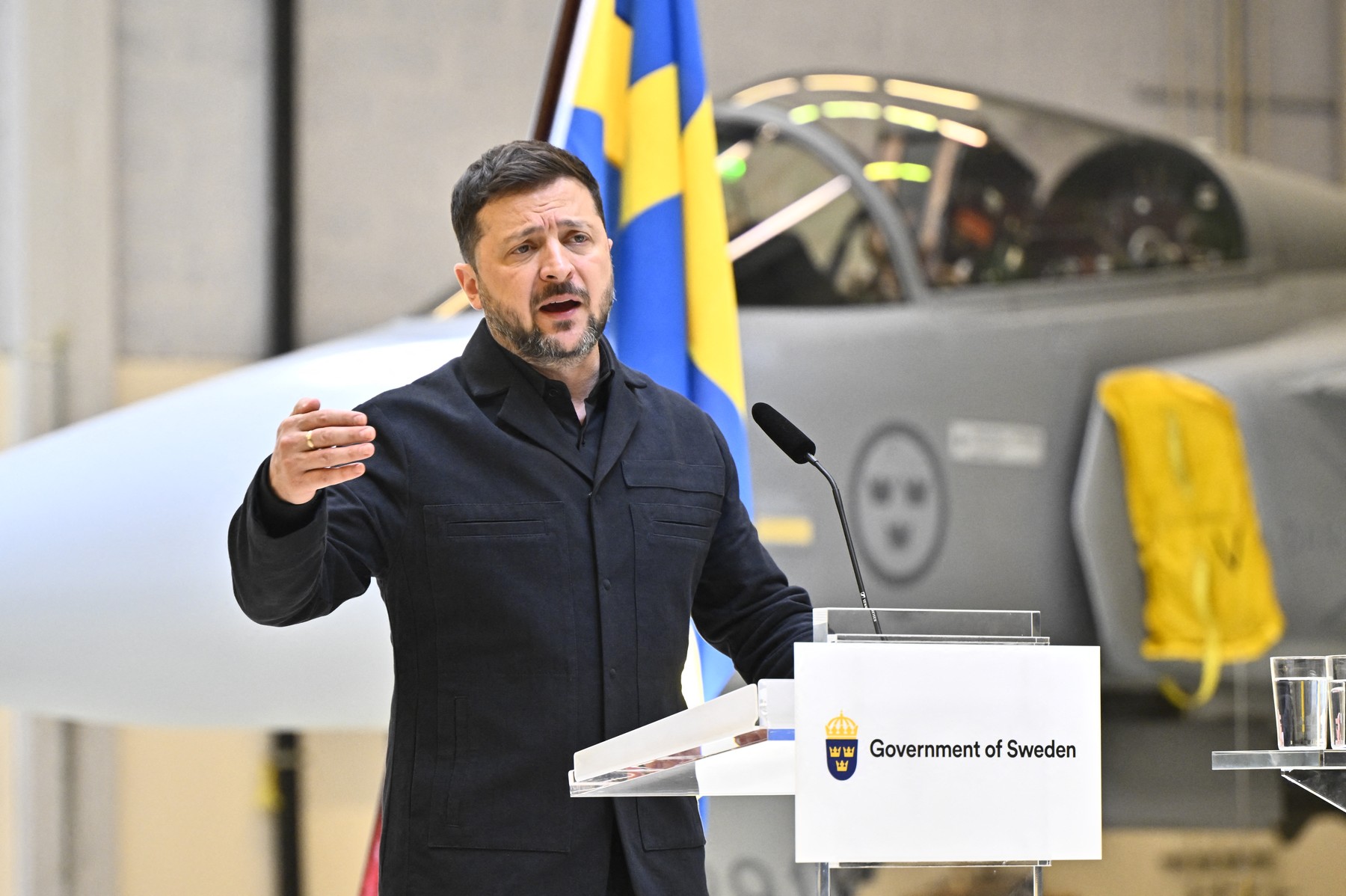
European states urged de-escalation of the conflict in Iran, but Spain went further, with a critical position towards the US and Israel, according to Reuters.
Spanish Prime Minister Pedro Sanchez said on Saturday he rejected what he called unilateral military action by the US and Israel, which he said represented an escalation and contributed to a more uncertain and hostile international order.
In a statement published on the X platform, Sanchez also said that he also rejects the actions of the Iranian regime and the Revolutionary Guards.
“We demand immediate de-escalation and full respect for international law,” he added.
Macron calls for a meeting of the UN Security Council
From Paris, President Emmanuel Macron called for an urgent meeting of the United Nations Security Council, saying the outbreak of war had “serious consequences” for international peace and security.
“The current escalation is dangerous for everyone. It must stop. The Iranian regime must understand that it now has no choice but to engage in good faith negotiations to end its nuclear and ballistic programs and its actions to destabilize the region,” Macron said.
“This is absolutely critical to the security of everyone in the Middle East,” he added.
“The Iranian people must also be able to build their future freely. The massacres committed by the Islamic regime discredit it and demand that the people have a say. The sooner the better,” the president said.
EU: “The latest developments in the Middle East are dangerous”
The European Union's foreign policy chief, Kaja Kallas, also said on Saturday that “the latest developments in the Middle East are dangerous” and that the bloc was coordinating with Arab partners to explore diplomatic avenues.
Kallas also said that he had spoken with Israel's foreign minister, Gideon Saar, and that Europe's consular network was dealing with facilitating the departure of EU citizens.
“Non-essential EU staff are being withdrawn from the region,” she said.
Belgium regrets the lack of a negotiated solution
Belgian Foreign Minister Maxime Prevot also stated that his country regrets the outbreak of war.
“We deeply regret that diplomatic efforts could not lead to a negotiated solution sooner. The EU, the US and the E3 have invested years of sustained diplomatic engagement,” he told X.
“However, despite all these pressures, the Iranian regime has not given up its nuclear and ballistic programs, nor its destabilizing role in the region. Belgium has always condemned this regime: the systematic violations of human rights, the threat to regional and global security, the refusal to engage constructively,” Prevot said.
“Our thoughts are with the Iranian people. They have suffered for decades under this regime. They deserve peace, dignity and a future without oppression. They must not pay the price for the election of their government,” the Belgian official added.
Britain did not participate in the attack
Britain said on Saturday that Iran must never be allowed to develop nuclear weapons and that the UK was ready to defend its interests following attacks by the United States and Israel on Iran.
A government source said Britain had not taken part in the attacks and that British Prime Minister Keir Starmer held an emergency meeting.
Starmer was due to hold talks with his French and German counterparts after the meeting in a series of phone calls with allies.