Artificial intelligence is the future of war? The Pentagon is putting pressure on Silicon Valley

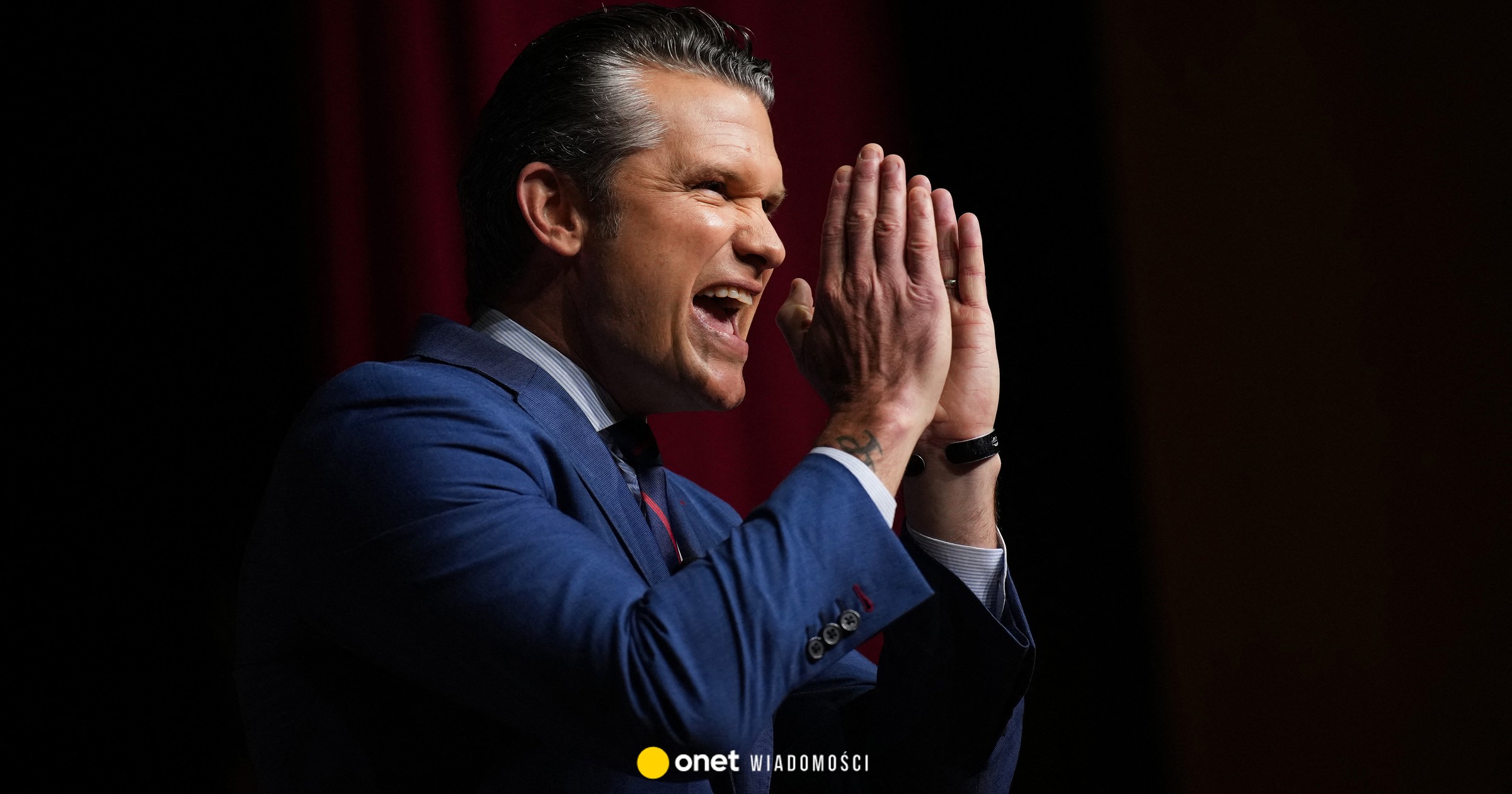
If the company doesn't give the Pentagon unrestricted access to its algorithms, they threaten it severe sanctions, including the application of the Defense Production Actoriginally created to secure products crucial to waging war. This is reported by the American news platform “Axios”, citing government sources.
Anthropic's back to the wall. Hegseth gives you until Friday
The dispute between the Pentagon and Anthropic is not just an abstract debate about ethics – it is taking place in the context of a contract worth up to $200 million. (approx. PLN 715 million) that the US Department of Defense signed with this company in the summer of 2025 to jointly develop AI capabilities for national security purposes.
It's about AI applications, including: for data analysis, situation assessment or automation of complex decision-making processes. According to reports, Claude is currently the only AI model that can be used in secret, isolated Pentagon systemsand military employees praise its capabilities “with only superlatives.”
Anthropic explains this with its own security rules and fear of abuse. Initially, the Department of Defense threatened to terminate the framework agreement if Anthropic did not agree to the requested expanded access. But now Pete Hegseth is going to go further – either force the company to cooperate under the Act or blacklist itwhich would exclude Anthropic from further government contracts and cooperation with government suppliers.
This situation is therefore becoming a test of the relationship between the state and technology companies. Artificial intelligence is already becoming a strategic power resource — whoever controls the most advanced models gains a military advantage in the area of reconnaissance, cyber defense and coordination of operations.
Should we cooperate or let China overtake us? The dilemma of technology companies
Anthropic is not alone in its restraint, although few companies set the boundaries so clearly. OpenAI recently relaxed its usage rules and is also working with the Department of Defense to develop voice controls for drones. emphasizing that it does not support the construction of autonomous weapons systems.
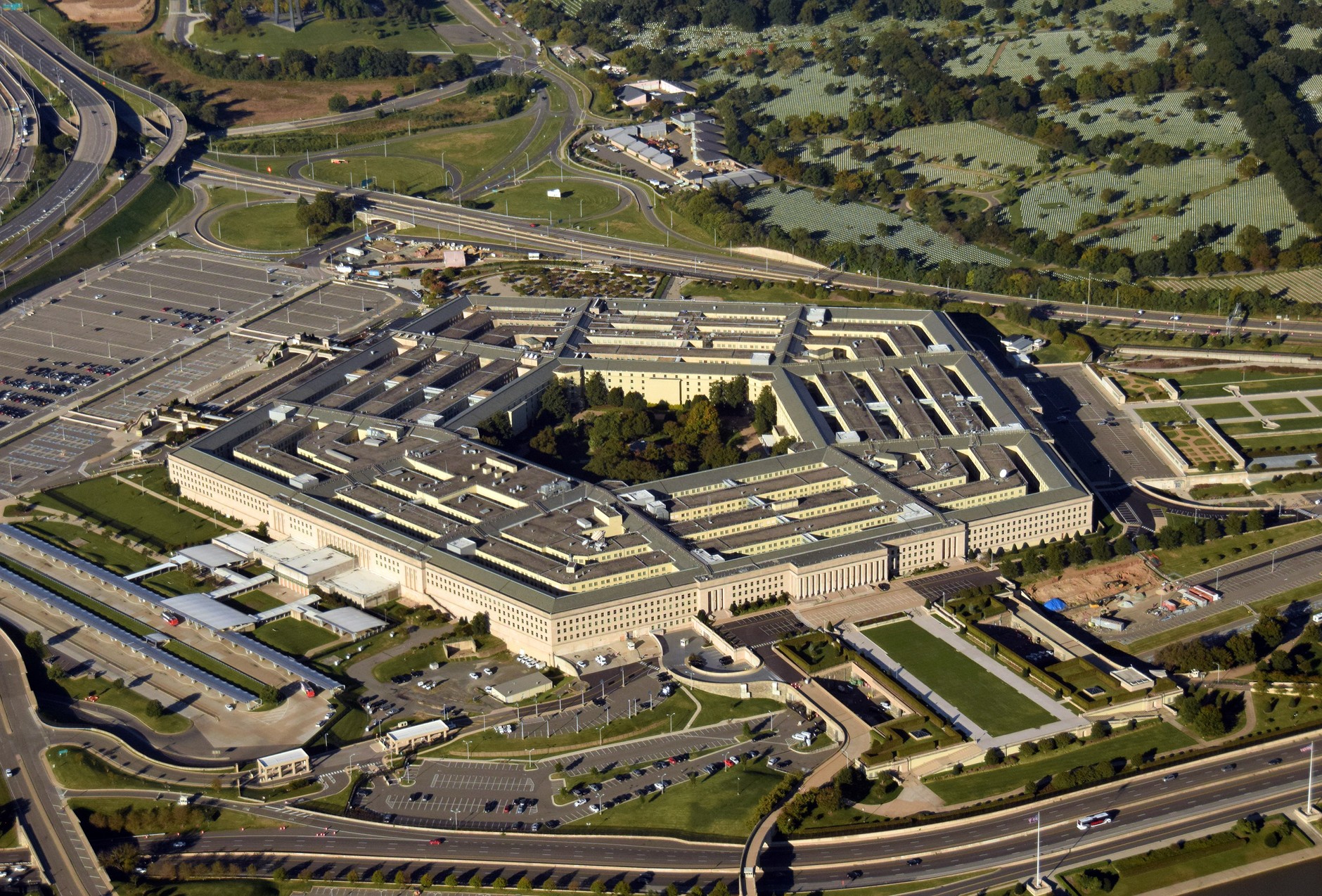
The Pentagon building in Washington. Illustrative photoIvan Cholakov / Shutterstock
The close cooperation between the technology industry and the military has repeatedly been a source of internal tensions. Thousands of Google employees protested against the Maven drone project. Open letters against military contracts and orders for security services also appeared at Microsoft and Amazon.
Critics warn against a gradual normalization of the use of AI in autonomous weapons systems and state surveillance software. Supporters respond that democracies cannot place vital security technologies in the exclusive hands of authoritarian states. In China, employees of technology companies do not protest against military projects, and the cooperation of AI start-ups with the Chinese People's Liberation Army is obvious there.
Europe draws a 'red line'
Meanwhile, in Europe, the military use of AI is being considered in a different context. In an analysis published in February 2025 Scientists from the European Parliament Research Office presented a much more regulatory approach. The document highlights the EU's “people-centred” framework.