The European Commission wants to completely ban Russian oil imports, but is waiting for the outcome of the Hungarian elections

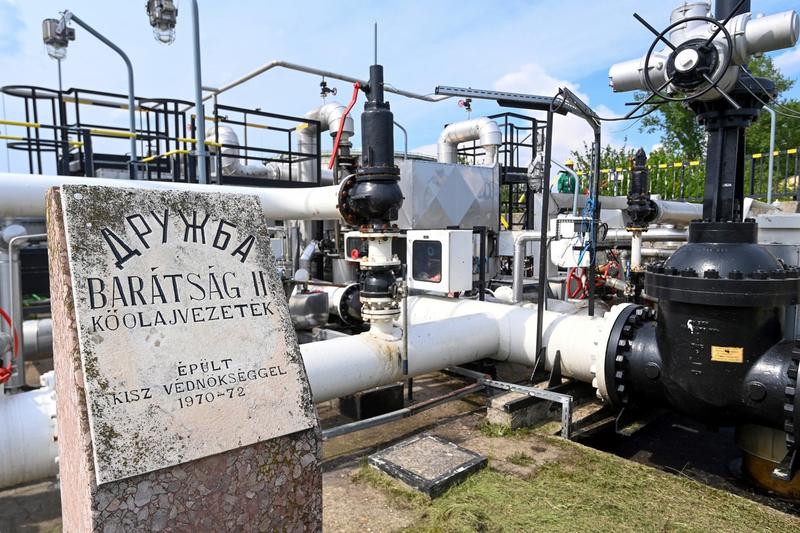
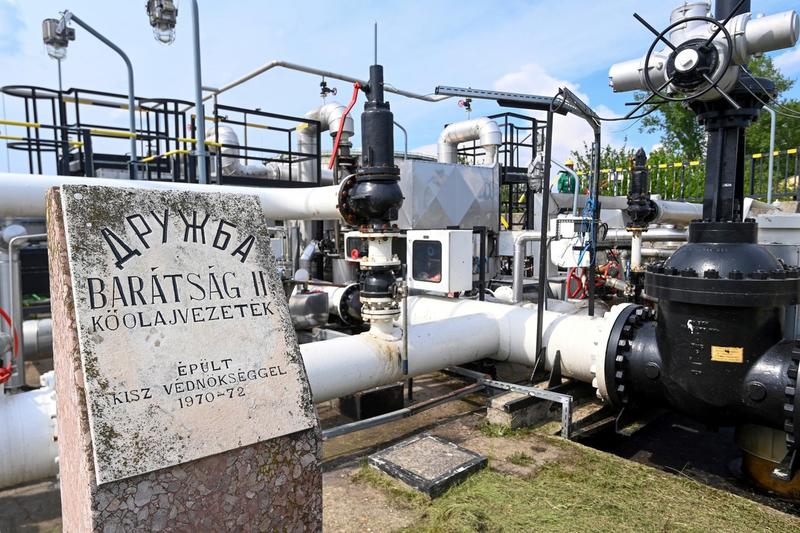
Russian crude oil, delivered through the Drujba pipeline to Central and Eastern Europe, Photo: ATTILA KISBENEDEK / AFP / Profimedia
The European Commission will formulate a legislative proposal for a total ban on Russian oil imports into the EU, but it will officially present it only on April 15, three days after the legislative elections in Hungary, in order not to help Hungarian Prime Minister Viktor Orban, who could exploit the issue electorally, Reuters reports on Tuesday, taken over by Agerpres.
Two European officials told this agency that the moment of presenting this proposal was chosen in such a way that the ban on the import of Russian oil would not become a campaign theme in the elections in Hungary, a country dependent on Russian oil and which at the moment, together with Slovakia, has a dispute with Ukraine, which it accuses of keeping the flow of Russian oil blocked through the Drujba pipeline.
The project presented three days after the Hungarian elections
The date of April 15 for the presentation of the proposal is mentioned in a European Commission document consulted by Reuters. While a spokesman for the Commission said it was a provisional agenda that could still undergo changes, European Energy Commissioner Dan Jorgensen confirmed the move, noting that it envisages a ban on Russian oil imports no later than the end of 2027.
In the elections on April 12, the opponent Peter Magyar, supported by Brussels, will face off in Hungary, and Prime Minister Viktor Orban, who is in conflict with Brussels because Hungary refused to support Ukraine in the war with Russia and promoted anti-LGBT measures, against migrants and NGOs.
After the Russian invasion of Ukraine, the EU reduced its energy imports from Russia and already decided to stop imports of Russian oil transported by sea, but made an exception for the oil delivered through pipelines, as Hungary and Slovakia are landlocked and have a harder time getting oil from other sources.
But these two countries are now forced to draw on their strategic oil reserves after the flow through the Drujba pipeline was halted since January 27 following an attack that Ukraine blames on Russia.
Deadlock in Brussels regarding Ukraine
Hungarian Prime Minister Viktor Orban and Slovak Prime Minister Robert Fico maintain that repairs after that attack have been completed, but that Ukraine is keeping the pipeline blocked in an act of “political blackmail” against Budapest, as Orban refuses to support it in the war and opposes Ukraine's future EU membership.
In retaliation, Hungary halted deliveries of diesel, gas and electricity to Ukraine, and on Monday vetoed the EU's 20th package of sanctions against Russia and also blocked a new €90 billion European loan to Ukraine. For its part, Slovakia has suspended electricity supplies to Ukraine, until the resumption of the flow of oil through the Drujba pipeline.
The €90 billion European loan for Ukraine was approved by European leaders in December. This loan is to be financed by issuing common EU debt, but Ukraine will repay it only if Russia pays it “war reparations” and it will be guaranteed by the EU budget, that is, by the member states. Three of them, namely Hungary, the Czech Republic and Slovakia, requested and obtained an exemption from participating in the loan guarantee mechanism, threatening that otherwise they could have blocked it by veto. Viktor Orban has said that this loan will never be repaid by Ukraine, as Russia will not want to pay it war reparations, in which case the guarantor EU states will have to pay it in the end.
The President of the European Commission, Ursula von der Leyen, who came to Kiev on Tuesday to commemorate four years since the beginning of the Russian invasion, assured Ukraine that it will receive this 90 billion euro aid “one way or another”, despite Hungary's veto. However, she asked Ukraine to speed up repairs to the Drujba pipeline.