The Kremlin is apparently tuckering out and wants to return to the dollar. A real farce

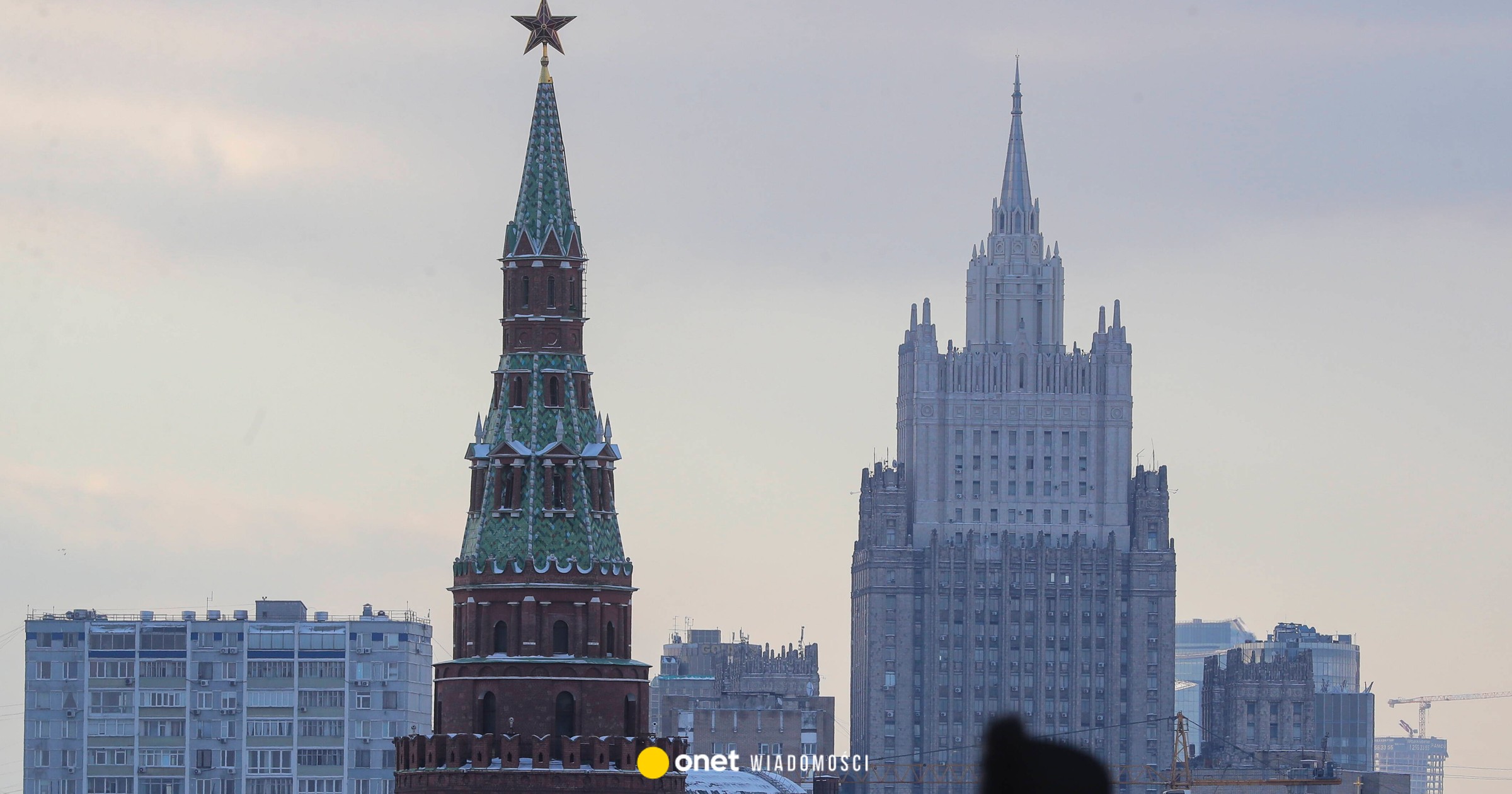
According to Bloomberg reports, an internal Kremlin memo outlines potential areas of rapprochement with Washington. These include rejoining the dollar settlement system, implementing joint ventures in oil and gas, cooperation in key minerals, cooperation in nuclear energy, and even offering preferential conditions to US companies re-entering the Russian market.
Easing sanctions and restoring access to dollar transactions.
If the Bloomberg report is true, the Kremlin is considering a change so radical that it would be a farce. After years of loud declarations about de-dollarization, financial sovereignty and the imminent collapse of Washington's monetary hegemony, Moscow is reportedly considering a return to settlements in US dollars.
The same leaders who declared the dollar a geopolitical weapon now seem ready to back down on their rhetoric and return to the system they condemned.
Since the invasion of Ukraine, President Vladimir Putin has portrayed the dollar-based financial system as the basis for Western economic warfare. Russia has accelerated efforts to settle trade in rubles and Chinese yuan, increased gold reserves and promoted alternative payment systems.
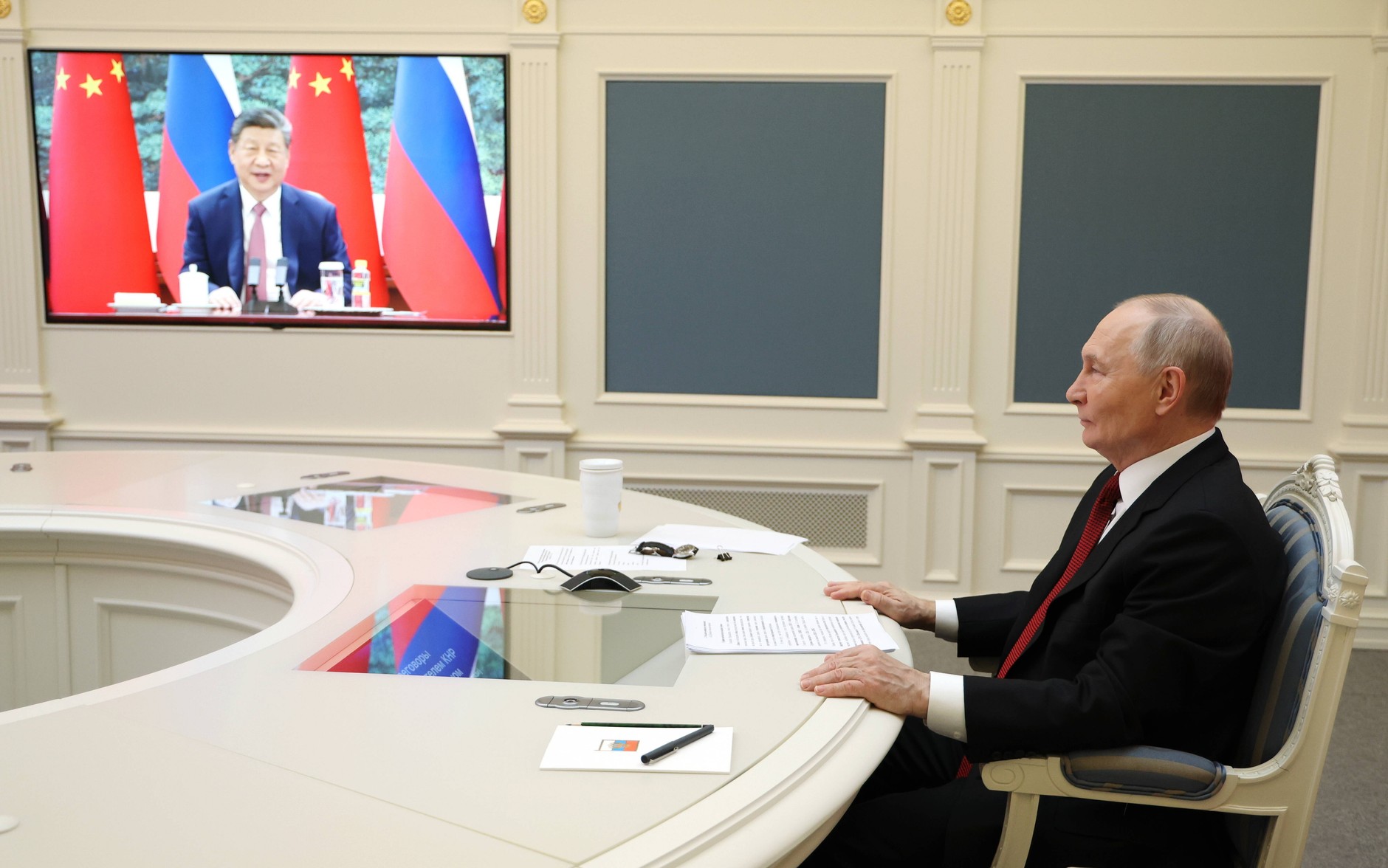
Russian President Vladimir Putin during a meeting with Chinese leader Xi Jinping via video conference, Kremlin, Moscow, Russia, February 4, 2026.VYACHESLAV PROKOFYEV/SPUTNIK/KREMLIN POOL / PAP
During subsequent summits of BRICS (a group of emerging economies that originally included Russia, Brazil, India, China and South Africa), Moscow became the leader of a campaign aimed at weakening the dominance of the dollar and creating a parallel financial architecture that could compete with the Bretton Woods system (an international monetary system in which the only currency convertible to gold was the US dollar and the others were valued in relation to the value of the dollar).
However, these ambitions appeared long before the war. Efforts to reduce dependence on the dollar date back to the oil boom in the mid-2000s, when rising energy revenues encouraged the Kremlin to openly discuss raising the value of the ruble and transforming Moscow into a global financial center.
During a period of soaring energy revenues, I remember attending investment forums where senior Kremlin officials, in particular then-Finance Minister Alexei Kudrin, presented bold plans to reduce Russia's dependence on the dollar, raise the value of the ruble in international trade, and make Moscow a global financial center.
Few treated it as an inevitable change. It seemed more like a pipe dream, a topic for discussion during a debate panel, rather than a concrete plan to rebuild the global financial system.
After the 2008 financial crisis, this intuition turned into a strategy. The dominance of the dollar was perceived not only as an inconvenience, but as a structural weakness, exposing Russia to shocks and sanctions.
What began as a technocratic safeguard has evolved into something greater: a narrative of historical inevitability. The collapse of the dollar was presented as certain. It was said that a new financial order was emerging and Russia was one of its architects.
But rhetoric aside, the published note tells a completely different story. She reportedly admits that reintegration into the dollar system would stabilize Russia's balance of payments and currency markets. It is a vocabulary born of necessity, not pure ideology.
This is where the contradiction becomes even more clear. De-dollarization was presented not only as diversification, but as resistance and a moral and strategic stance against American hegemony. Officials described it as liberation from Western influence.
However, monetary systems are not transformed by outrage or press releases. The dollar's dominance is based on liquidity, legal predictability and the enormous depth of US capital markets.
Energy contracts are still predominantly priced in dollars. Commodity markets are traded in dollars. Banks lend, hedge and settle in dollars. There are alternatives, including expanded use of the Chinese yuan, but they are weaker and politically asymmetric.
However, if one of its most ardent supporters signals a willingness to return to dollar settlements once sanctions are eased, the push for de-dollarization begins to look more like a bargaining chip than a plan for structural change.