2026-02-06 17:13
publication
2026-02-06 17:13
At the meeting of NATO defense ministers next week, the Americans intend to ask how the European side sees the US participation in EU arms purchase programs – according to information obtained by PAP. They will also expect information about European allies' defense spending.
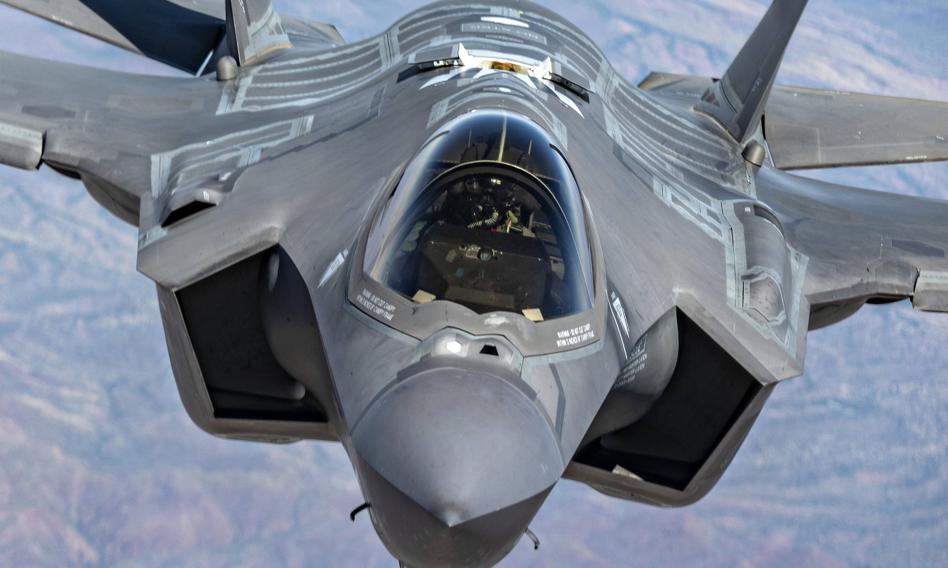
Defense ministers will meet on Thursday, February 12, at NATO Headquarters in Brussels. The meeting will be chaired by Alliance Secretary General Mark Rutte.
According to PAP information, the US authorities before the meeting formulated six questions to which they will be waiting for answers. Five questions concern the commitment made by allies at the NATO summit in The Hague to spend 5 percent. GDP per year for defense and security until 2035. Previously, the target was 2%. GDP.
As PAP found out, Americans will want to find out what actions European countries are taking to achieve the new goal – how much they currently spend on defense and what military equipment they intend to buy.
In this area, Poland has a strong position because it fulfills its obligations and spends more and more on defense in relation to GDP, outclassing most European NATO countries in this category.
The sixth question concerns the participation of the US, among others. in the EU SAFE program. This is a financial program that is intended to facilitate urgent, large-scale investments in defense capabilities by EU countries by providing low-interest, long-term loans for the purchase of military equipment and the development of the arms industry.
Some EU countries want these funds to be used to purchase equipment manufactured in EU countries. France is a leader in this field, as it has a strong arms industry and would like to benefit from it.
Critics of this approach claim that placing emphasis solely on European producers may slow down the supply of needed weapons or increase costs, especially when some supplies, e.g. of modern weapon systems, are dominated by producers from the US or other non-EU countries.
Some politicians and experts fear that too restrictive adherence to the “buy European” rule may limit the possibilities of army modernization and lead to tensions in transatlantic relations. These controversies were visible in the context of a loan for Ukraine in the amount of EUR 90 billion, negotiated in December at the EU summit in Brussels.
In January, the President of the European Commission, Ursula von der Leyen, announced that EUR 60 billion of this amount would be allocated to the purchase of arms for Ukraine, while purchases from EU countries would be promoted.
In response, the NATO Secretary General insisted during a visit to the European Parliament in January that the EU should allow Ukraine to use part of the loan the bloc is to provide to Kiev to buy weapons from the US despite pressure from some member states, such as France.
– If anyone here thinks (…) that the European Union or Europe as a whole can defend itself without the US, let him dream further. He cannot, Rutte told MEPs from the European Parliament's Defense and Foreign Affairs Committee.
At the meeting on February 12 in Brussels, the American side will be represented this time not by Defense Minister Pete Hegseth, but by Deputy Defense Minister Elbridge Colby.
From Brussels Łukasz Osiński (PAP)
luo/ akl/