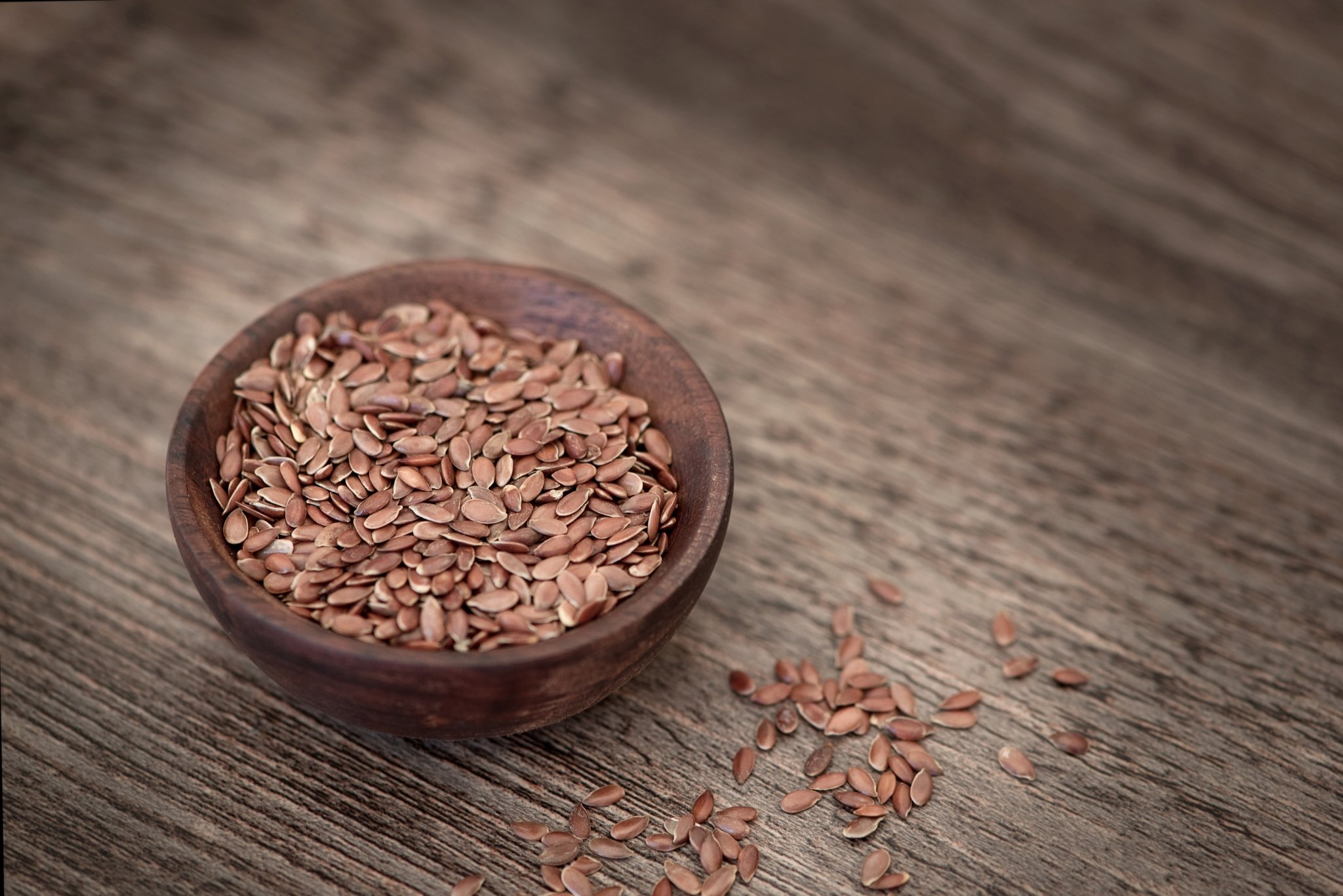
Flaxseed is often perceived as a “grandma's” food, when in fact it is a powerful source of fiber, omega-3 fatty acids and lignans – natural antioxidants. Its regular use has a gentle but noticeable effect on digestion, skin and overall well-being.
Experts told us what changes can be noticed if you add 1 teaspoon of ground flaxseed per day to your diet.

First 7 days: lightness in the stomach
Already in the first week, many note a decrease in bloating and more comfortable digestion. Flaxseed contains soluble and insoluble fiber, which gently stimulates peristalsis and normalizes bowel function without a laxative effect.
Days 8–14: skin becomes smooth
By the second week, the skin condition improves: it looks more hydrated, peeling disappears, especially on the elbows and knees. This is due to omega-3 fatty acids, which support the skin's lipid barrier from the inside.
Days 15–21: bowel movements become regular
Thanks to the high fiber content, the intestines begin to work like clockwork. Many note that there is no longer any need to wait, the process becomes natural and stress-free.
Days 22–28: Less mood swings
Omega-3 fatty acids are involved in the functioning of the nervous system and the synthesis of serotonin. After a month of regular use, many notice that irritability decreases and the emotional background becomes more stable.
Days 29–35: swelling decreases
Lignans and potassium in the seeds help regulate water-salt balance.
Days 36–42: Heart and Vascular Support
Regular consumption of flaxseed helps maintain healthy cholesterol levels and vascular elasticity. Some note that blood pressure has become more stable, especially on stressful days.
The reaction to a product is always individual. Flaxseed is not a medicine, but a natural component of a healthy diet. It is better to consume it ground and wash it down with water to avoid discomfort.
Adding one teaspoon of flaxseed to yogurt, porridge or smoothies is an easy way to gently support your body from the inside out. If you're looking for an easy but effective change in your diet, this can become a daily habit.
Important: This information is not a substitute for consulting a doctor. The body's response to changes in diet/training may depend on individual physiology, genetic predisposition and health status. It is recommended to consult a specialist.