Why fungi are appearing in more and more skincare products and what they can actually do for the skin


Some ingredients in cosmetic products come and go with trends. Others stand the test of time. The latter – used for thousands of years and supported today by scientific research – deserve a closer look. Mushrooms fall right into this category: on the rise in the modern cosmetics industry, but with a long history in traditional medicine and skin care.
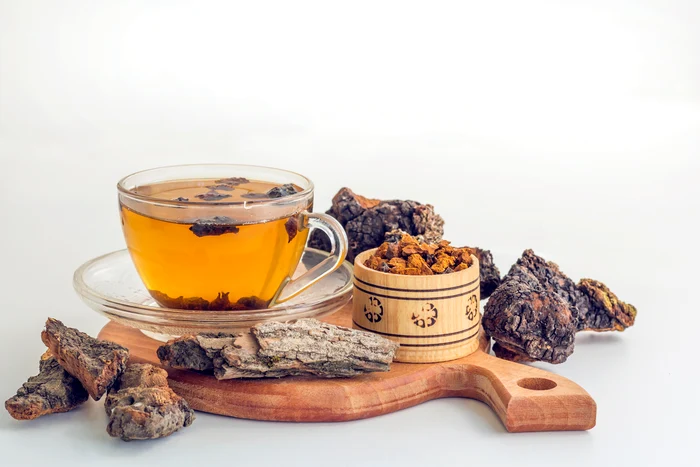
Photo credit: Shutterstock
“Historical sources show that in some ancient civilizations, including Egypt, mushrooms were used as an ingredient in the first face masks and cleaning products,” Brian Goodwin, representative of Eminence Organic Skin Care, told Forbes. In China, he adds, they have been valued for thousands of years in Traditional Chinese Medicine for their regenerative properties, which later influenced cosmetic use. “Starting in the 80s, mushrooms also started appearing in modern skincare formulas, especially in anti-aging products. So while they're all the rage now, they have deep roots in skincare traditions around the world.”
Why are mushrooms everywhere in skincare
There are several explanations for the growing interest in mushrooms in skin care. “First of all, people are looking for natural ingredients that actually work and can do multiple things at once.” says Goodwin. “Mushrooms tick both boxes: they're rich in active compounds that support skin health without being harsh.”
Another reason has to do with how we are beginning to understand the connection between stress, the body, and the skin. According to research, many types of mushrooms have adaptogenic properties, that is, they help the body cope better with stress. At the skin level, these compounds can reduce the impact of environmental and lifestyle factors – from irritation and dryness to fine lines and dullness.
Goodwin says mushrooms can hydrate, soothe and support the skin's barrier at the same time. Polysaccharides from species such as snow mushroom, he adds, work similarly to hyaluronic acid, helping the skin retain water, and antioxidants contribute to skin protection and resilience.
Types of mushrooms and their benefits for the skin
Snow mushrooms (Tremella)
Snow mushroom (tremella) is recognized for its ability to attract and maintain hydration in the skin, in a way comparable to hyaluronic acid, supporting the skin barrier and elasticity. It is especially suitable for dry skin, but works well for all skin types.
Truffles
Goodwin says that analysis of white (Tuber magnatum) and black (Tuber melanosporum) truffles shows that they are rich in antioxidants, vitamins and fatty acids, which help protect the skin, hydrate and strengthen the skin barrier. That's why they can be especially useful for dry or mature skin.
Known especially as culinary delicacies, truffles have also made their way into the skincare industry, where they bring a concentrated supply of nutrients that support skin health, without extravagant promises, but with real benefits.
Reishi mushrooms
Reishi is known for its antioxidant and soothing effects, helping to reduce redness and dryness. Thanks to its adaptogenic properties, it is suitable for skin affected by daily stress, from pollution to exposure to screens.
Chaga mushrooms
Recent studies reveal that the chaga mushroom (Inonotus obliquus) is rich in antioxidants that, when applied to the skin, can help protect against the effects of UV radiation associated with premature aging. This is precisely why chaga frequently appears in products intended for mature skin.
With its ability to combat oxidative stress, chaga is considered a useful ingredient for maintaining long-term skin health.
Lion's Mane Mushrooms
Goodwin says the lion's mane mushroom (Hericium erinaceus) is a natural source of vitamin D2 and B vitamins, essential for skin health. Used in care products, it can help the skin to become more resilient, being especially suitable for creams dedicated to healthy ageing. “Also works well for dull or tired skin,” he adds.
Through the intake of vitamins, the lion's mane can give extra energy to the skin affected by stress or fatigue.
Shiitake mushrooms
According to Goodwin, the shiitake mushroom is rich in antioxidants that help protect the skin from environmental factors and contains vitamin D, which is important for skin health and maintaining a strong skin barrier. In addition, the active compounds in shiitake contribute to hydration, soothe the skin and can improve texture. It is suitable for all skin types, but can be especially useful for dry or dull skin.
Split-gill and Cordyceps mushrooms
“There are thousands of species of mushrooms, and research is still in its infancy, but two are getting a lot of attention for their potential in skin care,” says Goodwin. These are split-gill (Schizophyllum commune) and cordyceps (Cordyceps militaris), both with antioxidant properties that can protect the skin from environmental stress. In addition, cordyceps can stimulate collagen production, contributing to skin firmness, and split-gill is analyzed for the effect of fading pigment spots and evening out the complexion.
Although less known to the general public, these species open new directions in skincare, with benefits ranging from maintaining skin firmness to a more even complexion.
So, in the context where consumers are more careful than ever about the ingredients in the products they use, mushrooms respond exactly to this need: they are natural, effective and can act in several directions at the same time. Moreover, more and more studies show the link between stress and skin reactions, and the adaptogenic properties of many mushrooms make them useful for skin constantly exposed to stress factors – from pollution and the fast pace of life to the blue light of screens. Through their active compounds, they can contribute to skin hydration, antioxidant protection, strengthening the skin barrier and calming inflammation.
Another advantage is versatility. Different types of mushrooms can meet different skin needs: tremella helps with hydration, chaga and truffles provide antioxidants for mature skin, and reishi is valued for its soothing effect on sensitive skin. Instead of aggressive solutions, we are talking about ingredients that work gently, adapting to different skin types.