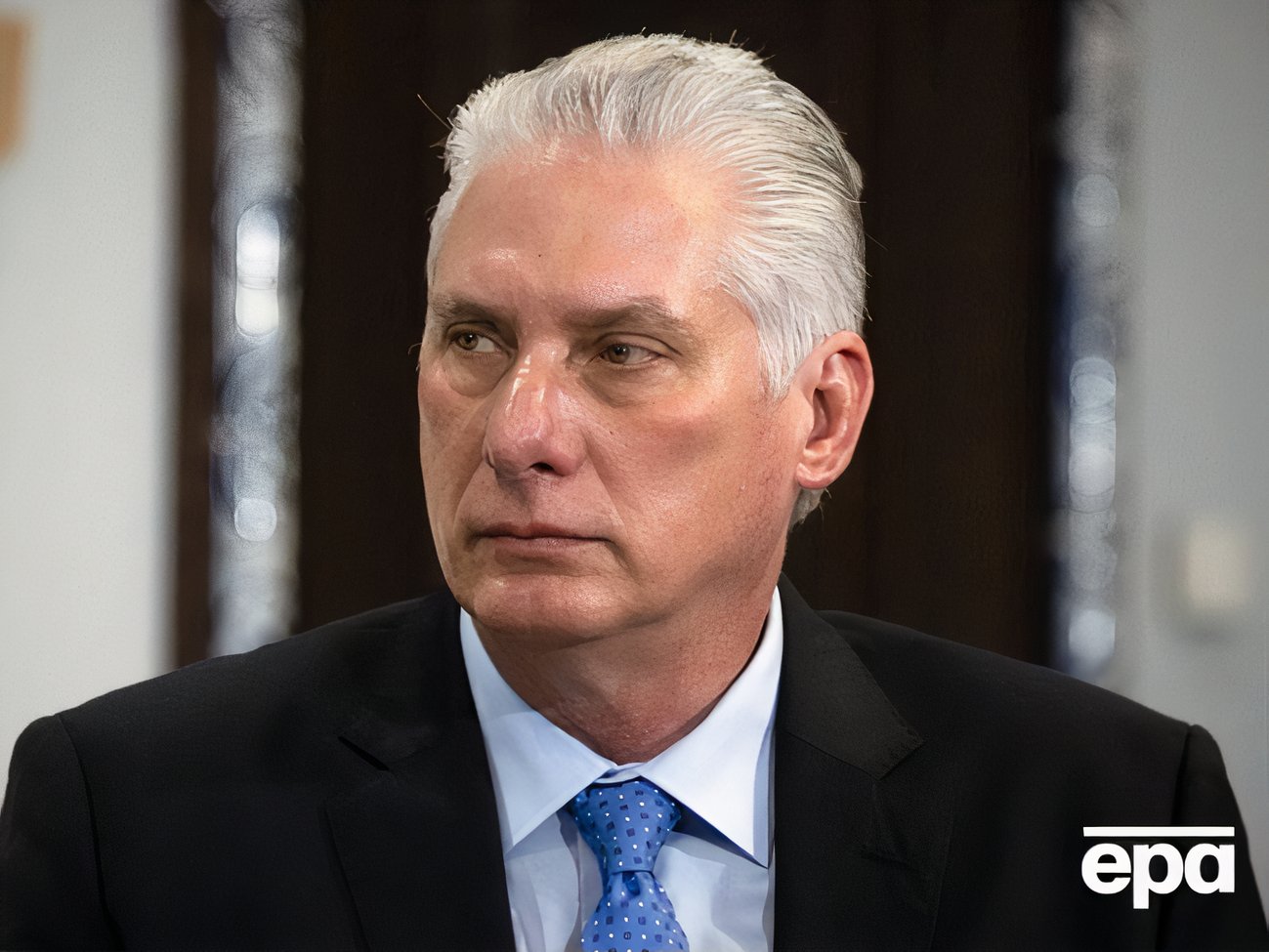
The day before, on January 29, Trump signed a decree declaring a state of emergency in the United States and establishing a mechanism for imposing duties on goods from countries that sell or supply oil to Cuba. The text of the decree states that it could be changed if Cuba or the affected countries “bring their policies into conformity with the national security and foreign policy objectives of the United States.”
“This new measure demonstrates the fascist, criminal and genocidal nature of a cabal that has hijacked the interests of the American people for purely personal gain,” Diaz-Canel wrote in X.
Esta nueva medida evidencia la naturaleza fascista, criminal y genocida de una camarilla que ha secuestrado los intereses del pueblo estadounidense con fines puramente personales.
3/3
— Miguel Díaz-Canel Bermúdez (@DiazCanelB) January 30, 2026
A state of emergency has been declared in Cuba due to an “extraordinary threat” from the United States, the country’s Foreign Minister Bruno Rodriguez Parrilla said in a statement.
RESPUESTA DE LOS PUEBLOS A LA ORDEN EJECUTIVA DE TRUMP
El pueblo #Cubacon la solidaridad de la comunidad internacional, concluye que la situación con respecto al Gobierno de los Estados Unidos constituye una amenaza inusual y extraordinaria, que proviene total o…
— Bruno Rodríguez P (@BrunoRguezP) January 30, 2026
As Bloomberg pointed out, Cuba has plunged into its worst economic crisis since the collapse of the Soviet Union, and analysts tracking oil ships say the country's fuel reserves will last less than three weeks.
Without it, transport, agriculture and other basic services could stop, the agency emphasized.
European diplomats have warned that the US pressure campaign against Diaz-Canel's government could trigger a humanitarian crisis in Cuba, home to about 10 million people, leading to mass exoduses or even famine.
Context
After the capture of Venezuelan President Nicolas Maduro, Trump wrote that Cuba had lived on “large amounts of oil and money from Venezuela for many years” but that now Venezuela “has the United States.” The head of the White House “strongly recommended” Cuba “to make a deal before it is too late.” In response, Cuban President Miguel Diaz-Canel said that the United States would not dictate to Cuba what it should do.
The media wrote that the US strive to change the communist regime in Cuba until the end of the year. In particular, Washington intends to weaken it by cutting off the supply of oil that provides Cuba with electricity. Economists estimate that Cuba could be left without oil for several weeks, leading to a complete shutdown of the economy.