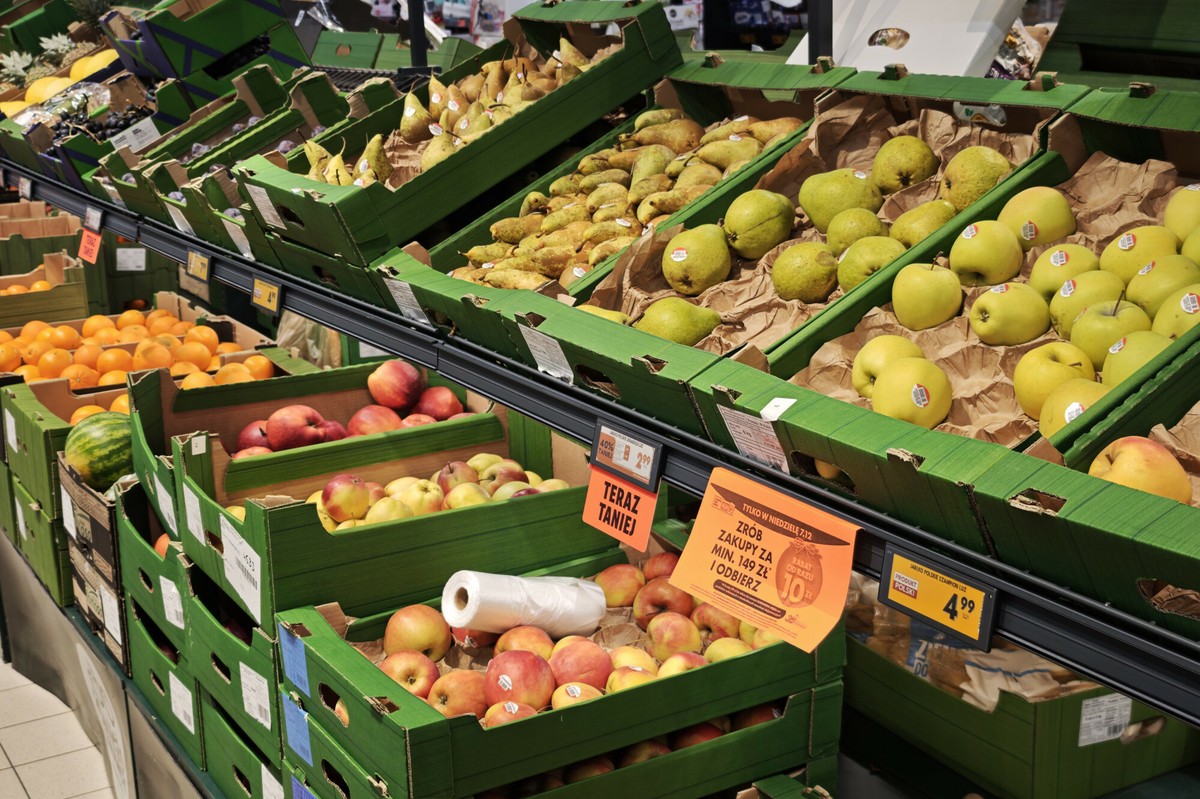
As “The Guardian”, which described the results of the study, writes: traces of up to seven different chemicals were found in some fruits.
The rest of the text below the video
Read also: Former minister in the PiS government facing allegations. “Wąsik and Kamiński wanted to put me down” [TYLKO U NAS]
According to the report's authors, this means that consumers are exposed to the so-called pesticide cocktails, i.e. the simultaneous action of many plant protection products.
The most dangerous substances and “eternal chemicals”
In 71 percent cases, pesticides classified as the most dangerous in the European Union, the so-called candidates to be replacedwhich the EU plans to phase out. What's more, 64 percent samples contained at least one substance from the PFAS group, i.e. the so-called eternal chemicals that accumulate in the environment and organisms.
Although EU regulations allow the presence of pesticide residues below certain limits, Pan Europe warns against the cumulative effect. — In this report we show that 85 percent apples contain a lot of residues and we don't know if they are safe to eat said Martin Dermine of the coalition, pointing to possible links with cancer or infertility.
Read also: Pig numbers are growing, but prices are falling. The Central Statistical Office reveals the latest agricultural data
Protecting children from unhealthy food
The organizations point out that if the same apples hit the market as baby productsuntil 93 percent samples would not meet the standards due to stricter limits for children under three years of age.
Pan Europe advises consumers to they bought organic apples or they peeled fruit from conventional crops before eating.
Apples are one of the favorite fruits of Europeans and the most frequently cultivated species in the EU, especially in Poland, Italy and France. However, they are also one of the most intensively sprayed fruits – mainly due to apple scab, a dangerous fungal disease. On average, approximately 35 protective treatments per yearmore than half of which are aimed at this disease.
According to environmental organizations, this shows the scale of the challenge facing European agriculture and the need to limit chemicals in food production.