The role of social media in politics. Communication expert: “We end up not knowing what the absolute truth is anymore”

Social networks have become indispensable tools in everyday life, including political communication, shaping civic involvement and politics. Experts draw attention to the harmful effects they can have.
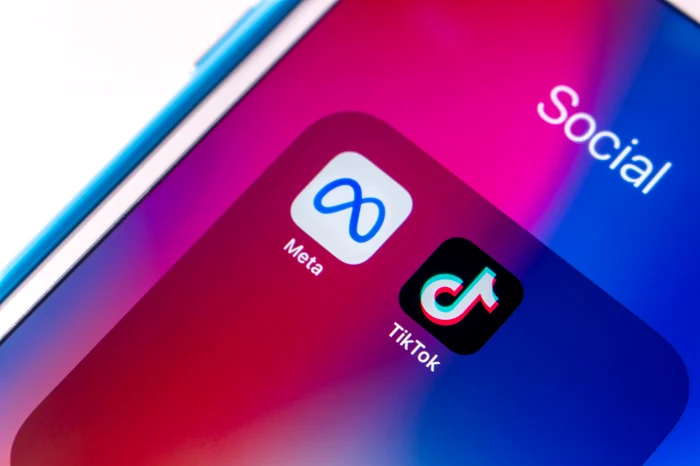
Social networks, some of the most used information channels PHOTO Shutterstock
Radu Delicote, expert in public communication, draws attention to the fact that social networks have become an information tool, where information is taken by consumers according to algorithms.
“The social network is hyper-relevant. The problem is that the environment, being so acidic and the level of information onslaught being so high, people tend not to check the information anymore, a lot of negative message is propagated, a lot of fake-news, and you get to a certain point where you can no longer communicate, shall I say, relevant. Why? Because most of the consumers of social media, in fact, look for their news or look for information from social media. Either social media itself is algorithmically built only to sell, only to create emotions, in no way to inform”, points out the expert in public communication.
As with information consumers, politicians have also moved to Facebook, Instagram and, most recently, Tik Tok, communication media that are not always used in a fair way: “Communication is always multi-faceted and politicians will use all their channels, and that's not a bad thing, to present some stories on their own terms. Because we're actually talking about marketing. Communication is a marketing art. And then, marketing being highly emotional in the political environment, you need all the assets you can bring to the table, including to win, so to speak, the public opinion on your side when you have a negotiation, be it politics”.
“A fault is created, a break is created and automatically the citizens will react sooner or later by decreasing trust – Radu Delicote, public communication expert
The use of social networks creates a gap between citizens and politicians, often increasing trust in institutions, the expert in public communication also explains:
“The problem is that we end up, in fact, as consumers of social media, no longer knowing what the absolute truth is. Why? Because we no longer have access to political people in the classic sense of the word or to people in the administration as we had 10 years ago. We no longer see debates. (…) We only see conflicts, we only see acidic positions. And then, this type of approach, although it helps the social media algorithms, will destroy and erode the trust of the institution a lot, the trust of the political environment, the trust in political actors, which can be seen in today's opinion polls.
Both camps, therefore politicians and citizens, distance themselves from each other when in fact they should be working extremely closely. Because politicians are, in fact, the citizens' employees. Never the other way around. It must represent the interests of the citizens, according to the constitutional statute. Or, at the moment, a fault is created, a break is created and automatically the citizens will react sooner or later by decreasing trust, by dissatisfaction, by many related things”.
Official sources are not necessarily the politicians, but the institutions – Ciprian Cucu, expert in disinformation
Ciprian Cucu, expert in disinformation, draws attention that “social media is a tool and that it, like any other tool, can be used better or less well.”
The expert points out that a difference must be made between the sources of information: “Official sources are not necessarily the politicians, but the institutions. Here is a bit of a long discussion about the difference between institution and person. (…) I think the simplest way to understand, for example, we still have the memory of COVID, where coherent, clear information was needed, based on what science finds. Such information clearly must come institutionally, from DSPs, from ministries.
I think it is difficult to make this distinction between person and function. But when we talk about official information, I would look more at the information that is assumed institutionally, and not at the political opinions of some political leaders, because those are political opinions that can be better argued or less argued, but they are not always necessarily factual information or that can be validated from a factual point of view”.