Włodzimierz Czarzasty, Speaker of the Sejm and leader of the Left, said that after the introduction of the ban on the sale of alcohol in the Sejm, he could with a clear conscience send two parliamentary bills regarding restrictions on the sale of alcohol to work.
These are the projects of MPs from the Left and Poland 2050, which were submitted to the Sejm in September 2025. They were the result of the confusion surrounding prohibition in Warsaw, where a pilot program was passed in two districts instead of a ban on night sales in the entire city.
See also: Alcoholism in Poland. A problem that most of society notices [SONDAŻ]
Poles drink too much
The matter is important because research shows that alcohol abuse is a serious social problem. In Poland, 8 out of 10 adults drink alcohol, and every fourth person (approximately 8.7 million people) does it at least once a week. This is according to the report prepared by the nationwide research panel Ariadna and BrainLab for Student Action. Its leader Paweł Mrozek appeals to all sides of the political scene to adopt the anti-alcohol law across divisions. Current surveys show that the majority of Poles are in favor of tightening the regulations. This, however, does not mean that regulations tightening the rules on alcohol trade will be given the green light. There is an ongoing dispute in the government about them, and there are a total of four projects on the table.
See also: Night prohibition throughout Poland? Economist: let's not look at excise duty
How do MPs want to limit access to alcohol?
Poland 2050 (parliament paper no. 2010) demands the introduction of an absolute ban on public advertising of alcoholic beverages and the extension of the right for municipalities to introduce hourly bans on the sale of alcohol. Thanks to this, the policy of counteracting alcoholism would rest on the shoulders of local governments.
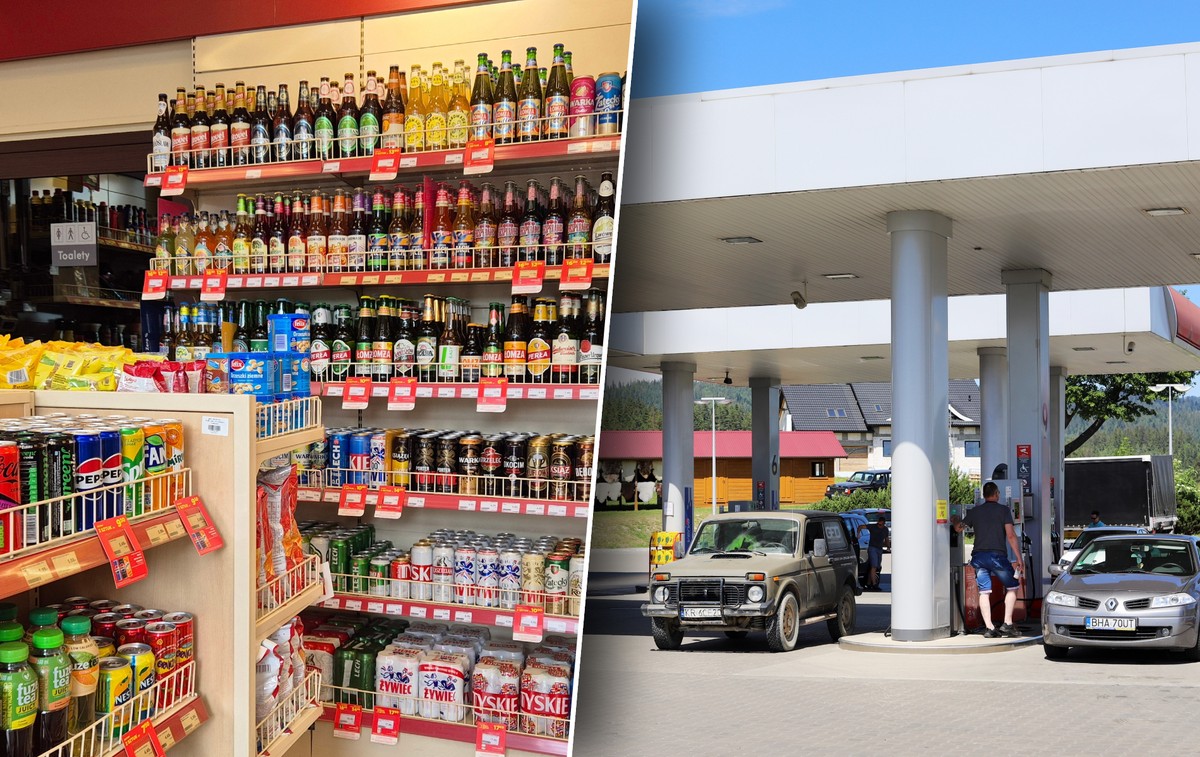
The Left's project is more severe (sejm paper no. 2007). It assumes, among others: a complete ban on advertising and promotion of all alcoholic beverages, including beer. First of all, it predicts ban on the sale of alcohol at gas stations, medical facilities and at night throughout the country (from 10 p.m. to 6 a.m.). The left also wants to introduce the obligation to verify age when purchasing alcohol, and online alcohol sales will only be possible with personal collection and upon presentation of an ID document.
The MPs will also discuss the Senate amendment to the Act on upbringing in sobriety and counteracting alcoholism. (parliament paper no. 1809). It is limited to imposing an obligation on producers and distributors of alcoholic beverages to place information on the harmful effects of drinking alcohol by pregnant or breastfeeding women on the vessels in which alcoholic beverages are sold. Such warnings are also to be included in advertisements. There are not as many objections to this project as to the Left's project.
The government must present its position on both projects. Katarzyna Kęcka, deputy minister of health, said that the government is working on it. These words were spoken on January 8 at a meeting of the joint committees: health and economy and development. Now the Ministry of Health has informed us that the draft government position on parliamentary bills are still being developed.
The official version of the position is not yet known, but unofficially it is known that there is an ongoing dispute within the government. This was visible both during the discussion at the committee and during consultations on the government project. And it is the government that will ultimately decide how much restrictions it wants to introduce. And it is worth remembering that the PIP reform is blocked by the Prime Minister.
Positions in the government are divided
Michał Jaros, deputy minister of developmentsaid that the application of restrictions related to running a business involving the production and sale of alcoholic beverages should be adequate to the purpose and should have the least impact on equal competition between entrepreneurs. Therefore, in his opinion the legislative process on the government bill should be continued in order to reach a compromise
On the other hand Katarzyna Kęcka emphasized that the data were alarming. —There are analyzes where social and economic costs of excessive alcohol consumption is estimated annually at up to PLN 186 billion. This is more than the national defense budget, more than the annual expenditure on higher education – said the deputy minister. The latest data show that the mortality rate among men in Poland due to health problems related to alcohol consumption in 2020 was more than twice as high, by 114%, as the mortality rate in the European Union countries in general. The mortality rate for women was 89% higher. Additionally, the largest group of patients in 24-hour psychiatric units are people treated for alcohol use disorders.
Hence, the Ministry of Health is also working on regulations limiting the availability and promotion of alcohol.
What is the government proposing?
In March 2025, the Ministry of Health, still under the leadership of Izabela Leszczyna, submitted for consultation a project amending the Act on upbringing in sobriety and counteracting alcoholism and the Act on health care services financed from public funds (UD147).
The project provides that packaging with a capacity of up to 300 million can only be made of glass or metal, and alcohol can only be in liquid form. It also introduces beer promotion banincluding discounts, rebates, loyalty packages and programs, games of chance, and prizes. People under 20 years of age will not be allowed to participate in alcohol advertising.
The bill also increases the minimum and maximum fines for illegal advertising, from PLN 10,000 to PLN 20,000, respectively. PLN and from 500 to 750 thousand zloty. The ban on selling alcohol at night at gas stations, previously announced by the Ministry of Health, was not included in the project. During the consultations, many comments were received, including a request to add such a ban on sales at gas stations.
In October already during the times of Minister Jolanta Sobierańska-Grenda, the project was again submitted for consultation. The main change concerns the introduction of a ban on the sale of alcohol at gas stations and in medical entities.
Moreover, the project stipulates that alcohol purchased online must be collected at a stationary point. The Ministry of Health explains that the proposed solution does not constitute a new sales channel, but only introduces the need to collect drinks at sales points, which is intended to limit the availability of alcohol for young people. Today they order online and a courier delivers to their door.
As the ministry informs us, the comments submitted to the October version are still being analyzed. And I assure you that the next stage will be to submit the draft bill for consideration by the Standing Committee of the Council of Ministers.
The coalition partners criticize the project, RCL does not have many comments
What his final fate will be is unknown. It is already known that the ban on the sale of alcohol at gas stations is opposed by PSL. Miłosz Motyka, Minister of Energy, believes that the regulation could affect the profitability of stations, especially those operating in smaller towns. There are approximately 8,000 companies operating in Poland. gas stations, of which 5.5 thousand has an alcohol license. It's only approx. 5 percent all concessions.
Michał Jaros, Deputy Minister of Development, was also critical of the ban on the sale of alcohol at gas stations. In his position, he emphasized that “the current draft act, although formally implementing the entry in the List of legislative and program works of the Council of Ministers, contains solutions that go beyond the scope agreed both as part of the working arrangements of the Team for Programming Government Work of March 3, 2025, and beyond the subject update of the entry in the List.”
Adam Abramowicz, former Ombudsman for Small and Medium-sized Entrepreneurs, currently president of the Employers' Organization, claims that all alcohol sales at gas stations constitute only 2.5 percent. overall sales stream alcoholic beverages. He points out that gas stations sell much less alcohol than an average licensed point. We write more about entrepreneurs' arguments here.
However, the Ministry of Health argues that the data cited show that gas stations are becoming an important place for alcohol distribution.
In principle, the Government Legislation Center did not criticize the proposed restrictions on the sale of alcohol. It only had detailed comments on restrictions on the sale of ethyl alcohol, distance sales of alcohol (may increase the number of licenses) and penalties for sales to minors.
However, it is not known when the Ministry of Health project will be submitted to the government.
Senate bill with a chance of being passed
In this situation, the Senate bill (sejm bill no. 1809) has the greatest chance of being passed. It only provides for an obligation informing about the harmful effects of alcohol consumption by pregnant or breastfeeding women. Such information will have to be included not only on the vessels in which alcohol is sold, but also in advertisements.
The size, scope, pattern and method of placing information would be specified in the regulation of the Minister of Health, so that “this information is visible, understandable and unambiguous, so that it can effectively serve a warning and preventive function.”
Currently, you can find packaging with a warning about the harmful effects of alcohol, e.g. the inscription “I do not drink alcohol during pregnancy”. Manufacturers now provide such information voluntarily. If the Senate bill is passed, they will be mandatory. Bottles or cans without markings will be able to be sold for a maximum of two years from the entry into force of the Act.
The first reading of the bill is to take place on Thursday, January 22, during the meeting of the Parliamentary Health Committee.