More precisely, since the beginning of the 21st century. It was a period of gigantic and rapid changes on the personal computer market. People no longer associate them with a large and heavy box permanently placed on a desk, but with something that can be hidden in a backpack, bag or even a pocket. The explosion in popularity of various types of portable computers made… Energy efficiency of chips has become increasingly importantwhich have powered a new generation of decidedly more personal and portable devices – after all, the less power a processor uses to provide the necessary level of performance, the thinner, lighter and sleeker the hardware it can support.
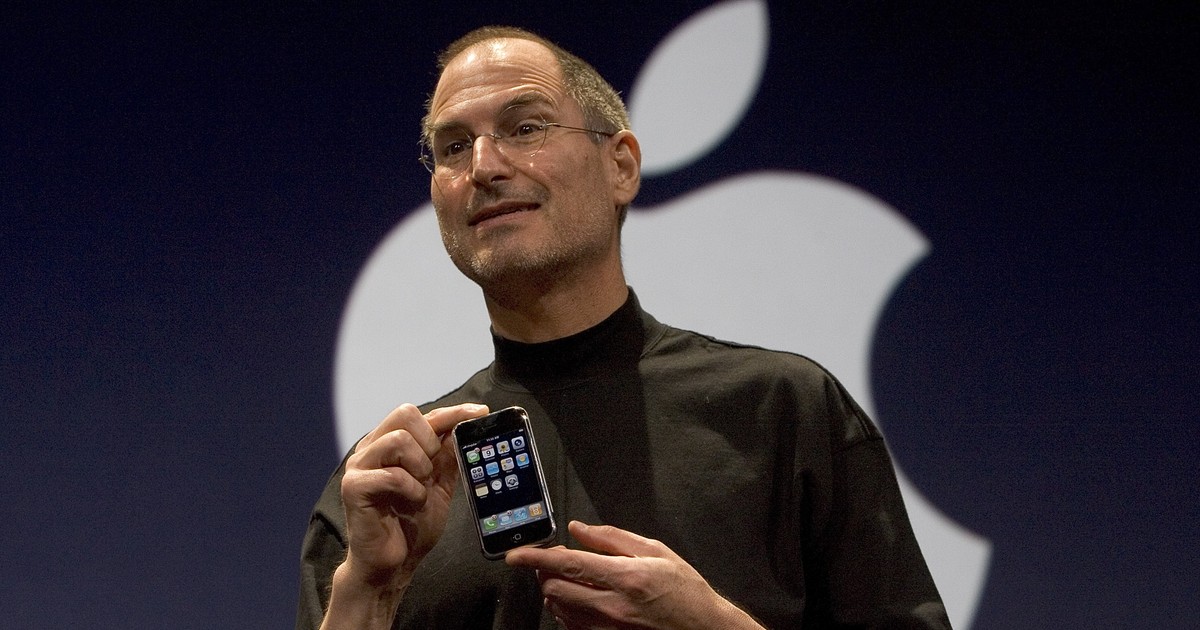
Steve Jobs and other Apple managers were well aware of this, and on the one hand they had to ensure the competitiveness of their Macs, and on the other they had to find appropriate components for the most important new type of device in the company's history – the most personal pocket computers, i.e. iPhone smartphones. This required Jobs to make some very difficult decisions.
The rest of the article is below the video
IBM is out of breath. Apple needs to find an alternative
For years, Apple computers were powered by PowerPC processors, which were the result of cooperation between the Mac manufacturer and IBM. Initially it went well, however At the beginning of the 21st century, IBM was clearly out of breath. The G5 series processors were late, expensive, did not achieve the intended level of performance and – above all in the new market conditions – consumed a lot of power, therefore they were not suitable for use in modern notebooks. At the same time, the competition with Windows was gaining momentum largely thanks to the triumphant Intel and the Centrino laptop platform it created. Although sales of iBooks and PowerBooks were still good, decisive action was needed Steve Jobs had two options to choose from: abandon IBM but stick to PowerPC processors designed by someone else, or completely abandon your “baby” and come to an agreement with Intel.
As we already know from the introduction, in June 2005, the world was shocked by the announcement that within 2-3 years Apple computers would completely switch to Intel processors. This Intel, which for years has been in practice one of the biggest enemies of the Cupertino company. But Daniel Dobberpuhl, founder of the PA Semi startup, was definitely the most surprised by this informationwith whom, according to reports circulating in the industry, Apple was in discussions about cooperation on the next generation of PowerPC processors for new Apple computers. Luckily for him, it turned out that not everything was lost, because the lifeline was thrown by none other than Intel itself.
Intel's historic bad decision forces Apple to roll up its sleeves
Intel and Apple's collaboration on desktop and laptop processors was delivering the results Jobs wanted and allowed his company to create the type of devices he dreamed of – the best example of which was the first MacBook Air in 2008, pulled out of its envelope during the legendary presentation. However, the same cannot be said about the production of chips for Jobs' new apple of the eye, smartphones. Initially Apple wanted Intel to also create a chip that would be the brains of the first iPhone. Then-Intel CEO Paul Otellini rejected Apple's idea, which turned out to be one of the most fateful decisions in his company's history. However, it forced Steve Jobs to once again turn his attention to the owner of a small Californian startup with enormous potential.
Read also: The future of Intel's factories and the entire world of chip production hangs in the balance. Panther Lake needs to succeed
An incomprehensible purchase that was part of a long-term plan
Let's get back to Daniel Dobberpuhl. At the turn of the century it was well known to all people familiar with the microprocessor market — not least because they had probably read his textbook on chip design. In the 1990s, he led teams designing processors that were ahead of their time. In 2003, he founded the startup PA Semi, built from the cream of the crop of microprocessor design specialistswho worked on Sun SPARC, Intel Itanium and AMD Opteron chips, among others. Due to their initial misfortune, they decided to design a PowerPC processor, the main recipient of which would be Apple. When Jobs put a cross on this architecture and turned to Intel, PA Semi lost a major potential customer for its product. But anyone in the industry knew that PA Semi had a very talented team of engineers specializing in energy efficiency – which was what Jobs cared about. So when Intel rejected the offer to produce chips for iPhones and Apple decided that the company would create its own processors for smartphones, it needed people who knew it and the previously abandoned startup became a very tempting target.

PA Semi, a startup crucial to the success of Apple's technological strategy.
Now we understand all these circumstances, however in April 2008, when the world heard about the purchase of PA Semi for less than USD 300 million, everyone was wondering what this transaction was about. The scale of surprise and misunderstanding of the topic is demonstrated, for example, by an article by the renowned Beyond3D website, which states that “of course this acquisition does not apply to the iPhone or iPod” (unless in the distant future) and that talking about Apple designing a complete smartphone chip is “nonsense.” Only later did we learn that Apple was completely uninterested in the existing PA Semi products only people working in this startup who were supposed to join the already existing secret team responsible for designing the “brains” of the next generations of iPhones and iPads.
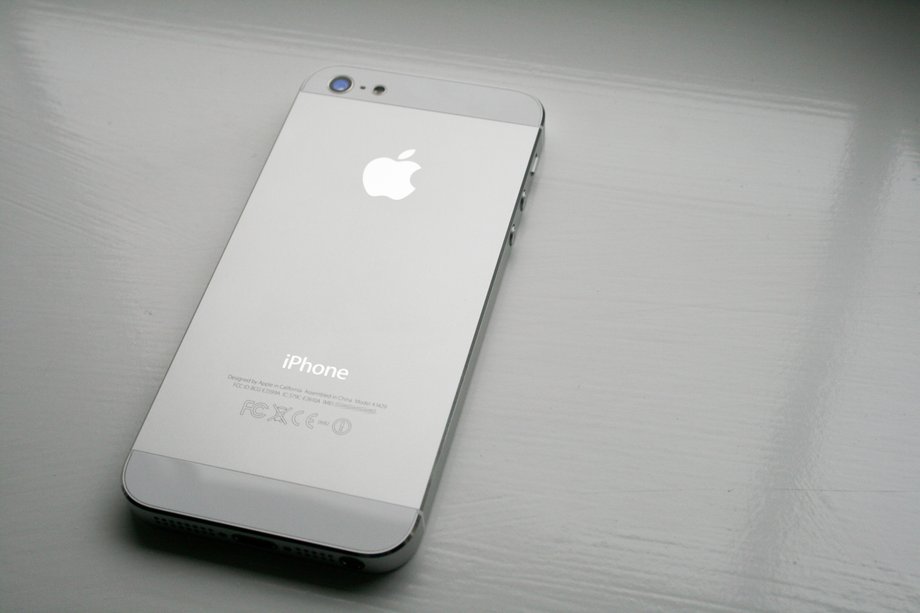
iPhone 5 was a breakthrough product for Apple.
|
William Hook / CC BY-SA 2.0 / Flickr
Domino effect
The first three iPhones used processors purchased from Samsung, but the first iPad debuted in 2010 with an Apple A4 processor – the first assembled by Apple engineers, although still based on cores licensed from Arm. The full results of Apple's processor strategy had to wait until 2012, that is, until the iPhone 5 and the Apple A6 chip powering it. Initially, everyone still thought that it was made of licensed, possibly slightly modified cores. But then we saw the first electron microscope scans of it and the world held its breath. Instead of ready-made blocks, a completely new microarchitecture created from scratch and assembled by hand by people who are well versed in designing efficient and energy-saving chips. It is true that the most famous PA Semi employees, such as Daniel Dobberpuhl and Jim Keller, were no longer working in Cupertino at that time, but they undoubtedly had an impact on laying the foundations for Apple's smartphone technological domination that has lasted for several years. A dominance that recently spread to the notebook and desktop market when Apple abandoned Intel chips in 2020 in favor of its own M-series chips. This is how we reached the endgame of Steve Jobs' strategy. A strategy, an important element of which was the spending of almost USD 300 million in 2008, completely incomprehensible to the public. for a startup that had previously been given up by Apple.
Read also: Apple's strategic move. The OpenAI bubble may finally burst