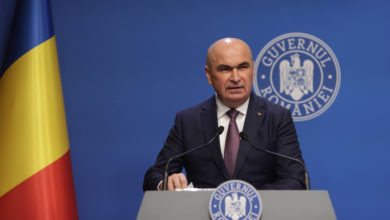
2026, the year that can rewrite the global political map. Crucial elections in Europe, the Middle East and the US


The year 2026 promises to be a decisive one on the international political scene, with a series of elections that will shape the balance of power in Europe, the Middle East, but also in the United States. In a context marked by war, geopolitical tensions, economic crises and intense debates about the future of democracies, the citizens' vote will have a major impact on political directions. After 15 years, Viktor Orban could lose power in Hungary, and Israel will give a test: whether or not to move forward with Benjamin Netanyahu. And in Russia there will be elections, the first since the beginning of the invasion of Ukraine.
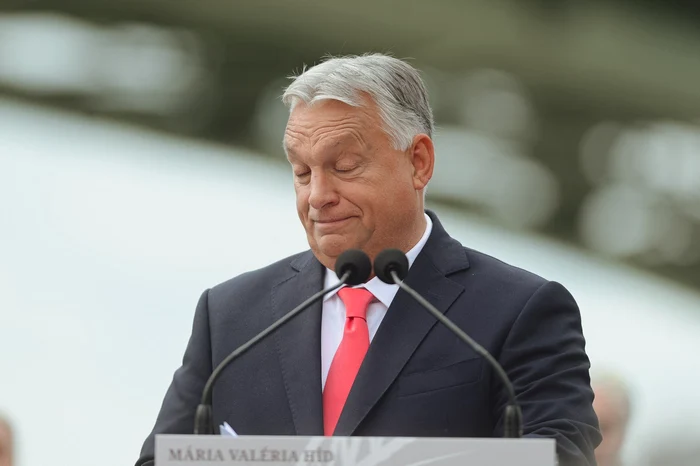
Viktor Orban PHOTO Profimedia
The elections in Hungary in the spring. It could be the end of Orbán's dominance
In the spring of 2026, Hungary will hold legislative elections, and the result could end Viktor Orbán's rule if his party loses. The politician has been in government since 2010. In the current race, he is facing Péter Magyar, a former member of the Fidesz party who became the leader of the opposition. The latest polls put Tisza 13 points ahead. He advocates improving relations with Brussels and increasing purchasing power in Hungary, but also proposes conservative policies regarding migration and the rights of people from the LGBT community.
On the other hand, Viktor Orbán wants to maintain his power by advocating a nationalist model and “non-aligned” to Brussels' policies on migration, family or support to Ukraine. He said, quoted by the MTI news agency, that Hungary will refuse to receive migrants, even if they receive financial penalties. Orbán is one of Donald Trump's biggest allies in the European Union and they share similar political views. Orbán has also maintained close relations with Moscow over the years, particularly with Vladimir Putin, even after the deterioration of relations between Russia and the West.
Bulgaria: political crisis and uncertainty after the adoption of the euro
The Bulgarian neighbors could have two rounds of elections this year. The country is going through a moment of acute political instability, despite joining the euro zone on January 1. After the collapse of the government and the difficulties of forming a stable majority in Parliament, it is now heading for early elections. The current parliament approved a temporary budget in December 2025 to give time to form a functioning government, but political negotiations have remained difficult, and political parties and President Rumen Radev are discussing the timing of holding an election this spring. These legislative elections will concern the entire legislature (National Assembly), where 240 seats are up for grabs.
And in November, Bulgaria will hold presidential elections. Incumbent President Rumen Radev can no longer run for a third term.
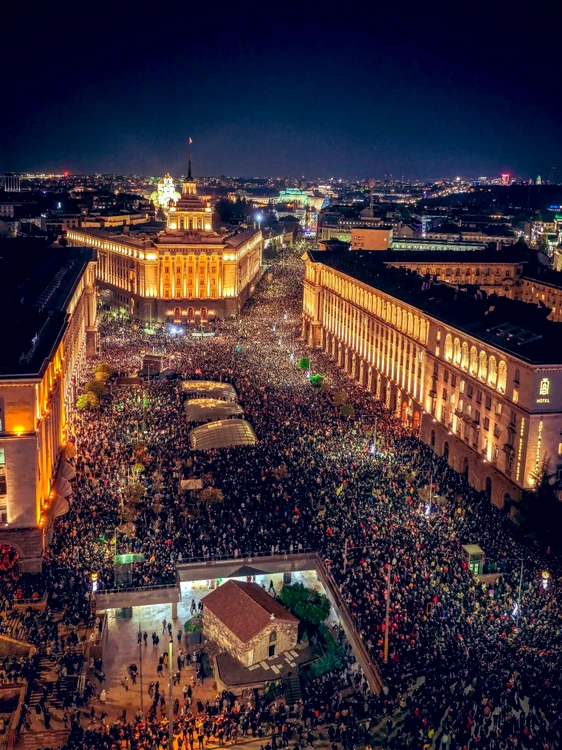
Image from the December protests in Bulgaria PHOTO Velina Tchakarova
Regional elections in France, Italy, Spain and Germany
Although 2026 does not mark national legislative elections in France, regional and local elections will serve as a barometer for political forces ahead of the 2027 general election.
And Italy is preparing for regional elections, which will test the cohesion of the current coalitions, amid discontent with central government and the state of the economy.
In Spain, regional elections in autonomous communities with political and economic weight (Andalusia and Aragon) will reflect tensions between the central government and local authorities. And they will bring up the debates related to autonomy, identity and social policies.
And in Germany there will be regional elections this year. They are closely watched as an indicator of changes in public opinion, especially in the context of the growing popularity of populist parties.
Elections in Russia in September
The first elections after the invasion of Ukraine will be held in the Russian Federation. It is about legislative elections, in which Russians will vote on the composition of the State Duma for the next five years.
Israel decides whether to move forward with Netanyahu
In 2026, Israel is preparing for parliamentary elections, in which a new government and, de facto, a new prime minister will be appointed. Netanyahu, leader of the right-wing Likud party and one of the longest-serving prime ministers in Israel's history (with a total of 18 years at the head of the Executive), announced his intention for a new term.
The poll will take place in a context of political, social and security crisis as a result of the war in Gaza and multiple internal disputes over governance, far-right views and allegations of corruption.
Israelis will decide if they still want Benjamin Netanyahu in charge. There is an international arrest warrant issued by the International Criminal Court for war crimes and crimes against humanity in the name of the Israeli prime minister, related to the actions in the Gaza Strip.
In parallel, Netanyahu is being prosecuted in Israel in three corruption cases started as early as 2020, which include allegations of bribery, fraud and breach of trust.
Prior to the October 7, 2023 Hamas attack, Netanyahu had generated widespread discontent in Israel, particularly over the controversial judicial reform his government sought to impose and perceived by some of the population as a threat to the separation of powers and the independence of the judiciary. 500,000 Istaelians then took to the streets and demanded his resignation. And after the start of the war in the Gaza Strip, families of those kidnapped by Hamas organized protests and accused the Netanyahu government of inefficiency in negotiations to release the hostages and achieve peace. Internationally, Benjamin Netanyahu's biggest supporter is Donald Trump.

Netanyahu, invited to Trump's New Year's party PHOTO X/Israeli Prime Minister's Office
The United States: midterm elections and a test of strength for Trump
On November 3, Americans will go to the polls for the midterm elections, in which all 435 seats in the House of Representatives will be up for grabs, as well as 35 seats in the Senate and numerous gubernatorial and state legislative positions. This poll, conducted during President Donald Trump's second term, is seen as a barometer of voters' political leanings and support for the current legislative agenda.