Last week, Dutch voters awarded the political center. Center-liberal D66 and center-right Christian Democratic Appeal they have benefited from a growing appetite for stability.
The race ended with a narrow victory over Geert Wilders' far-right Freedom Party. Since no party received more than one-fifth of the votes, the upcoming coalition talks promise to be complicated. The formation of a majority government before Christmas seems unlikely.
As with many recent elections across the continent, the topic of the EU loomed large over the campaign. Even if EU-wide issues barely came up explicitly, the outcome itself could have far-reaching consequences for the Netherlands' role in Brussels.
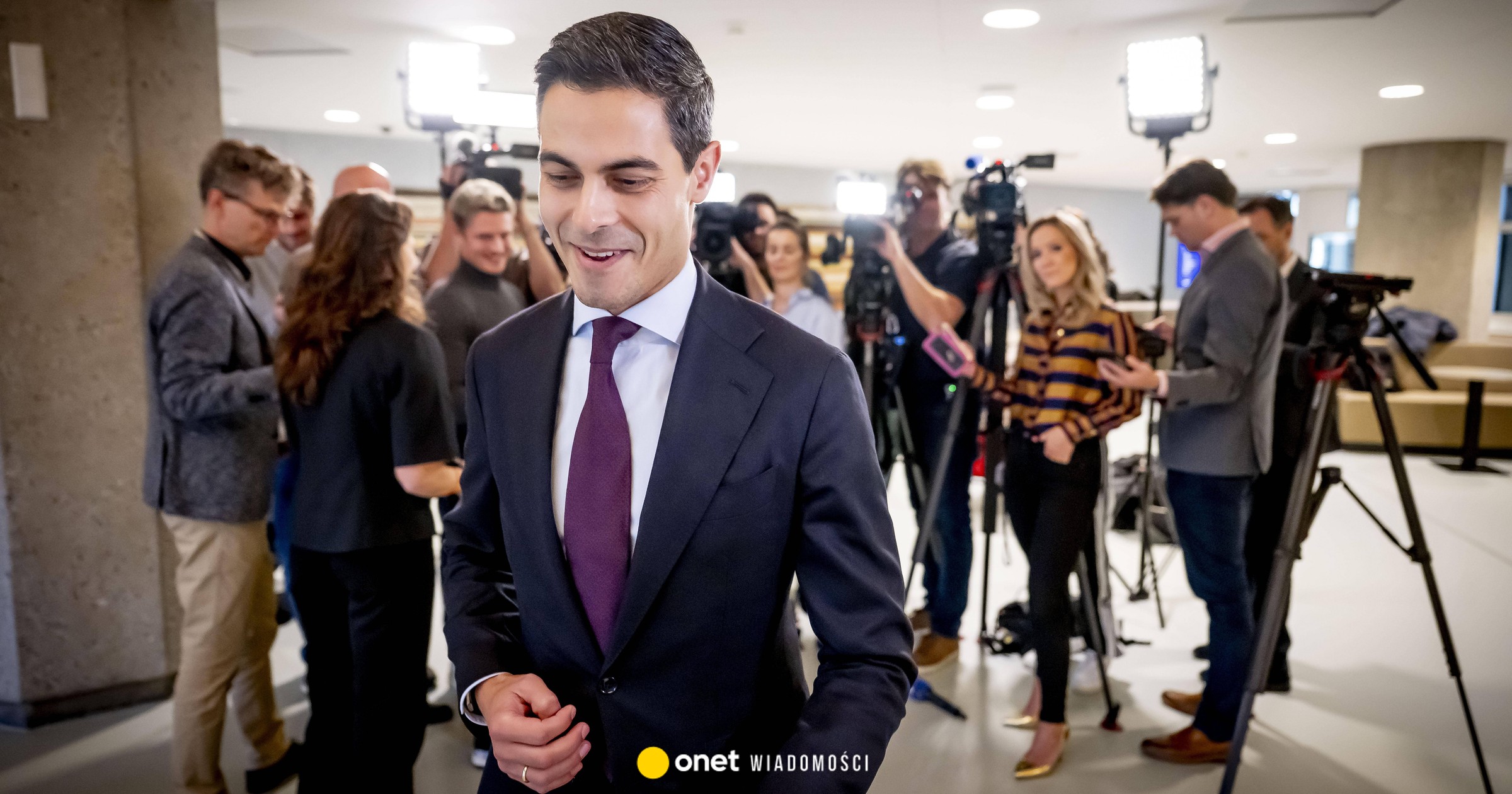
It is already known that the Dutch electorate voted much more pro-European than in 2023. It seems that the Euroscepticism that once dominated the political mood has given way to a silent mandate for cooperation and reform. This is a clearly pro-EU signal to The Hague. And if D66 leader Rob Jetten manages to become prime minister, it will mean a decisive change in the country's policy towards the EU.
“Europe risks stagnation if we do not deepen integration”
D66 has long been the most pro-EU party in the Dutch political spectrum. Speaking to POLITICO after the election, Jetten argued that the Netherlands should use its veto power much less often and instead “say 'yes' more often to cooperation”.
— Europe risks stagnation if we do not deepen integration. The Netherlands helped found the EU, now we should help shape its future, he said.
These words signal a clear break with the previous government of technocrat Dick Schoof, who was largely invisible in Brussels. As Dutch public broadcaster NOS recently described it, the country's influence in the EU has “withered.” Or, as one senior EU diplomat bluntly put it: “no one listens to the Dutch anymore.”
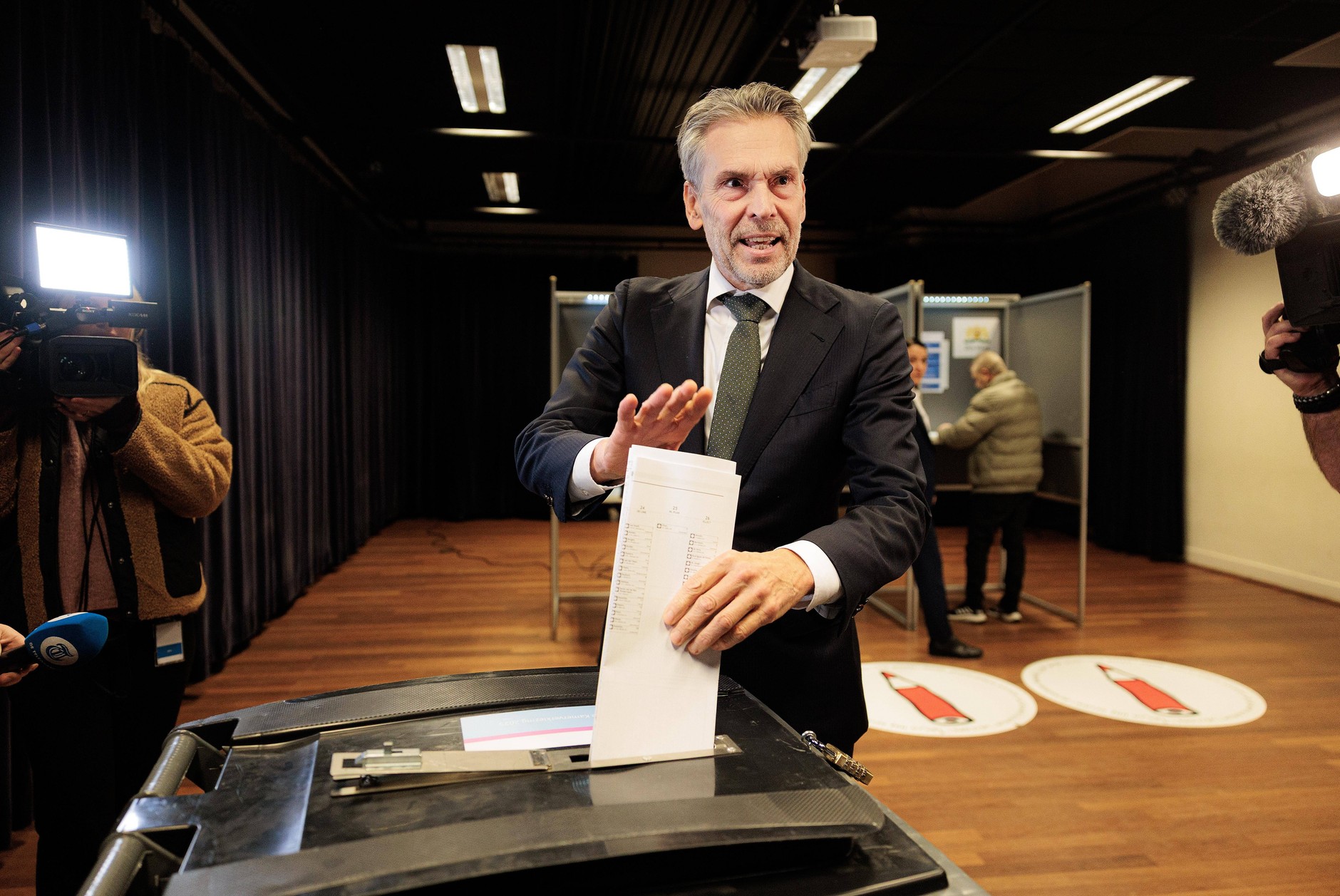
Dick Schoof casts his vote in the election. The Hague, 29 October 2025EPA/RAMON VAN FLYMEN / PAP
Schoof's government started with high expectations – it was supposed to exempt the Dutch from asylum, nitrogen and nature protection rules and reduce their contribution to the EU budget – but Brussels realities turned out to be merciless. The Netherlands often found itself isolated and attempts to secure opt-outs were quietly abandoned.
Jetten as prime minister could reverse this pattern. Even Schoof's predecessor, Mark Rutte, while similarly pragmatic, was ultimately cautious, wary of treaty reform and shared debt. However, Jetten signals a willingness to move on because D66 sees the Netherlands as a natural bridge builder and a key player in European integration.
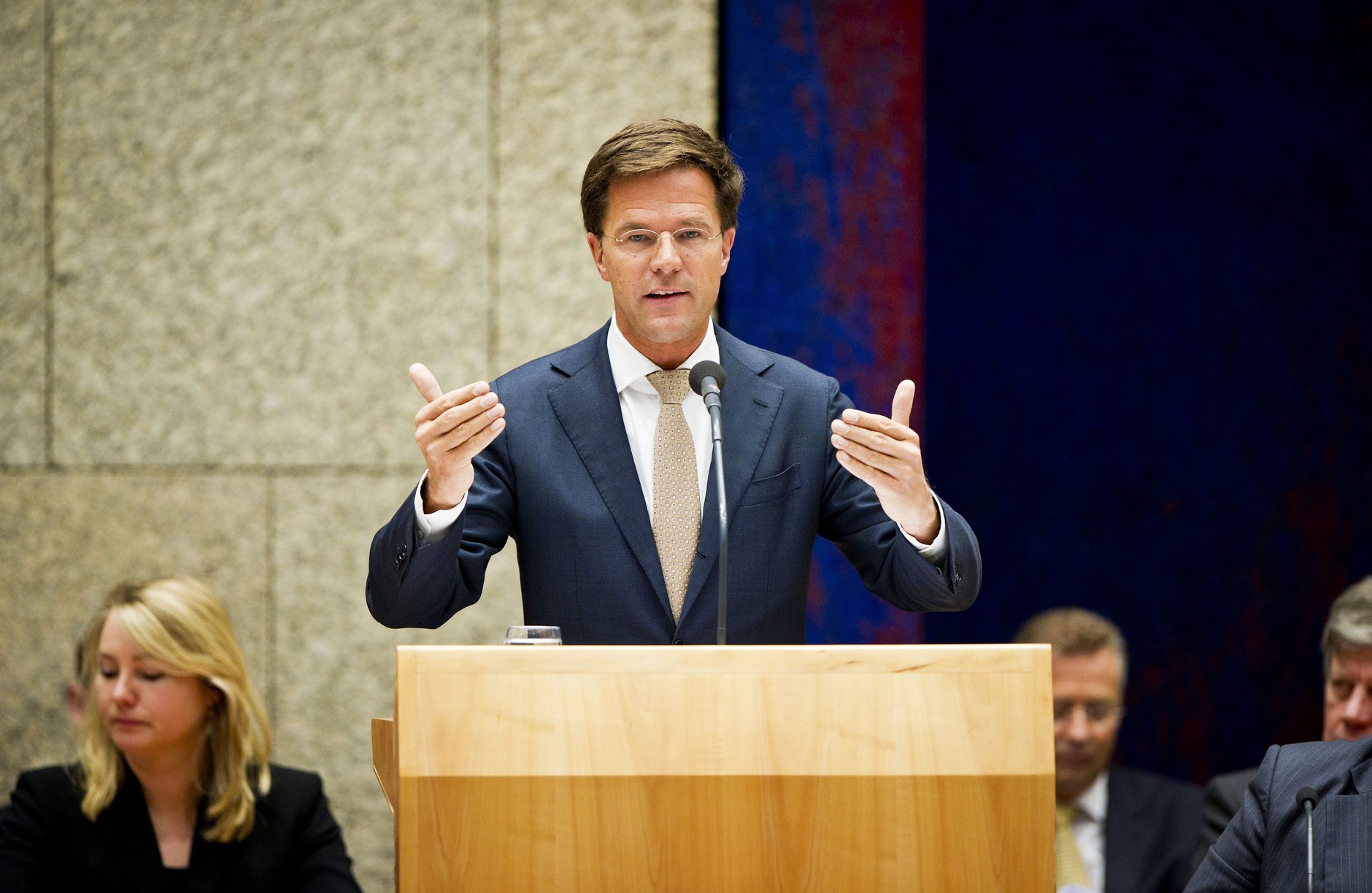
Mark Rutte after taking over as Prime Minister. The Hague, 27 October 2010EPA/VALERIE KUYPERS / PAP
Moreover, the weakness of the Schoof government was partly related to its lack of European experience. As a technocrat without a party base, he had difficulty building political capital in Brussels. Jetten, however, is well connected. Like Rutte, belongs to the Let's Renew Europe group, a liberal alliance associated with French President Emmanuel Macron. This connection once disproportionately strengthened Dutch influence. Of course, today even this network has become fragile. Macron's internal problems have reduced his clout in Brussels, and with it the gravitational pull of the liberal camp.
The EU is more divided than ever
Meanwhile European policy has become a patchwork of competing priorities. Southern members are demanding more joint investment, northern countries – including the Netherlands – continue to preach fiscal discipline, eastern members are prioritizing defense and security, and western governments are focusing on industrial policy and competitiveness.
Then there are external pressures to consider: the United States expects Europe to shoulder more of its own defense, while China forces the EU to rethink its economic dependencies. In such a fragmented landscape speaking with one European voice is difficult enough – acting in unison is even more difficult.
Ultimately, however, how the next Dutch government positions itself in this European maze, as well as Jetten's ability to deliver on his promises, will depend largely on domestic politics and the coalition he manages to create.
The irony is that if the center-left alliance of the Greens and Labor Party or the Christian Democrats had won the most seats, adapting to the dominant European political currents might have been easier. They would find natural allies in Spanish Prime Minister Pedro Sanchez or German Chancellor Friedrich Merz. But because D66 got less than 20 percent. votes, Jetten will have to rule in a broad coalition that includes parties that are much less enthusiastic about Europe.
The article continues below the video
Still, a coalition led by Jetten could increase Dutch influence precisely because it would encompass many European party families at the same time. In Brussels, where informal networks often count as much as votes, this could give the Netherlands new diplomatic importance.
Facing the strategic dilemma of reconciling national compromises with European ambitions Jetten's political style – pragmatic, conciliatory and consensus-based – may also prove to be an asset. While covering the elections, one journalist even called him the “new Rutt” because of their sense of timing and coalition-building instinct. However, Jetten has an even clearer vision of Europe.
In his post-election remarks to POLITICO, the D66 leader left little room for doubt. — Europe must transform into a serious democratic world powerwith the resources and power to do what citizens want: protect our borders from Putin, grow our economy and protect the climate, he said.
Dutch politics has oscillated between pragmatic Eurorealism and hidden Euroscepticism for years. But this election may finally signal the pendulum is slowly returning towards a more pro-European centerrooted in the tacit understanding that the Netherlands and the EU rise and fall together.
I’m Ashley Davis as an editor, I’m committed to upholding the highest standards of integrity and accuracy in every piece we publish. My work is driven by curiosity, a passion for truth, and a belief that journalism plays a crucial role in shaping public discourse. I strive to tell stories that not only inform but also inspire action and conversation.