Are you training hard and not seeing any results? A short rest can help break the plateau – says the doctor who set state and national records in powerlifting in the USA.
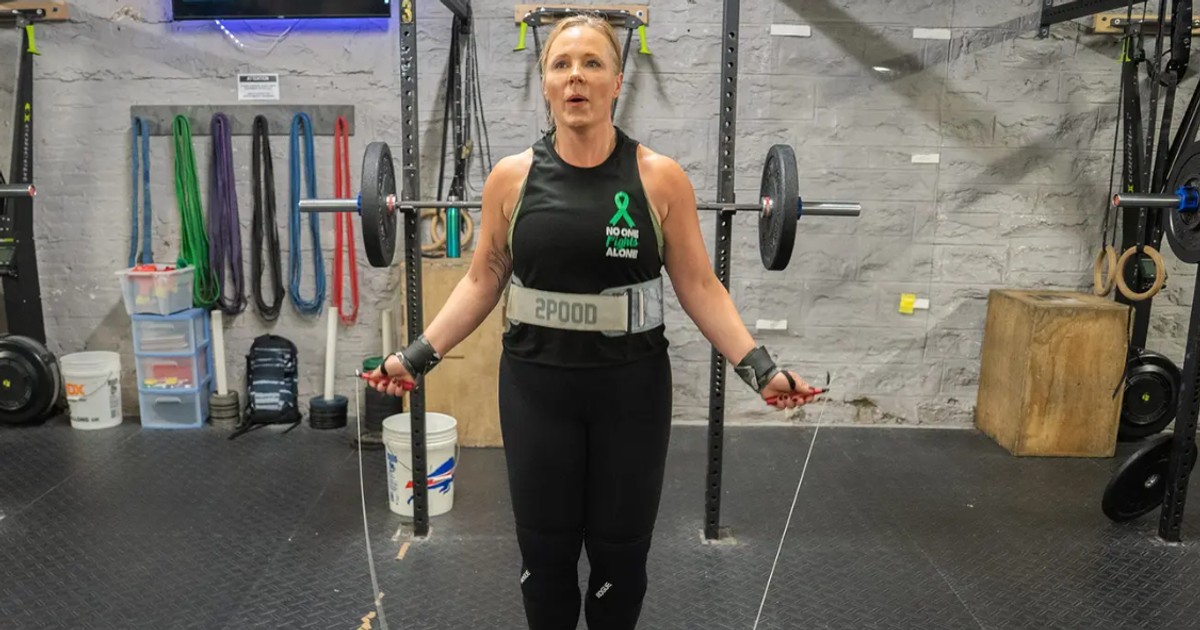
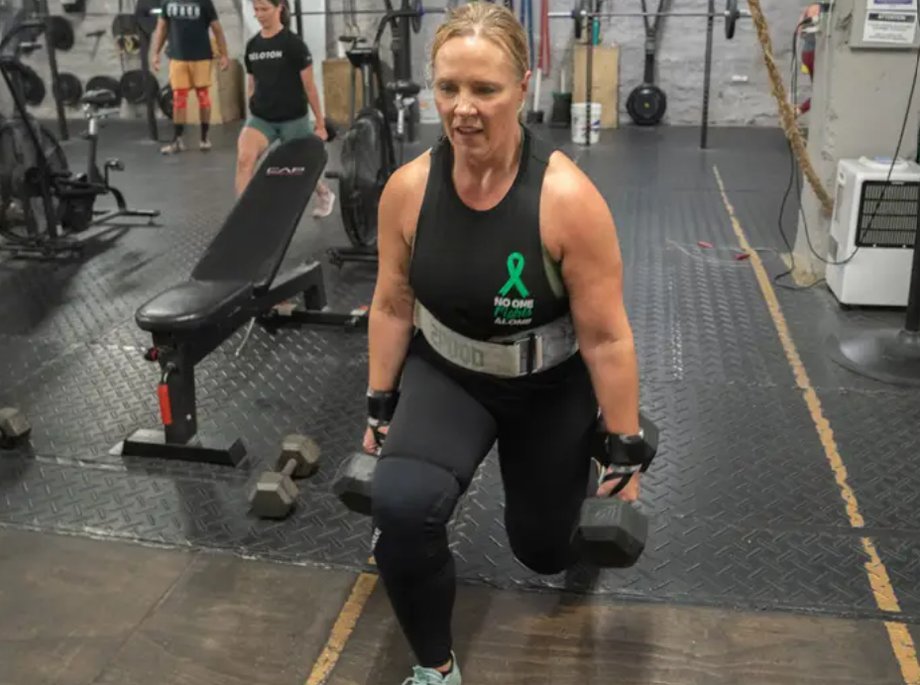
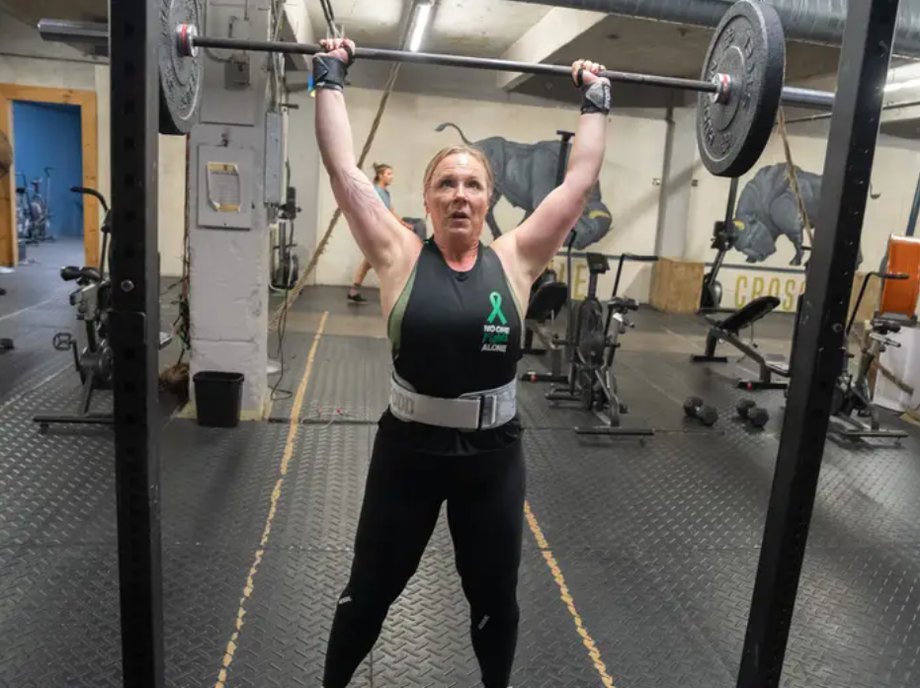
Dr. Shernan Holtan, a hematologist and busy mother of two, has been lifting weights for over a decade. She hits the gym at 5:30 a.m. for an hour-long workout before heading to her day job as chief of blood and marrow transplantation at Roswell Park Comprehensive Cancer Center.
Her key to avoiding physical burnout and maintaining progress: reduce the intensity of your workouts every four to six weeks to allow your body to recover and rebuild stronger.
Read also in BUSINESS INSIDER
— You're taking a break. You come back, drastically lower the weight for a week and you are really allowing your body to absorb all the stress you have put it through so that it can repair and heal itself she told Business Insider.
This strategic break is commonly referred to as a “de-load week” in the fitness world. It is a method supported by scientific evidencewhich helps break stagnation, reduce the risk of injury and increase muscle and strength gains – both in elite powerlifters and bodybuilders, as well as in people training recreationally.
For Shernan Holtan, the deloading method allowed her to maintain steady progress over the years, gradually building her strength to squat 102 kg (or more) per rep. During this time, she also began running and training CrossFit, as well as hiking, cycling, and going to the gym regularly (sometimes with her teenage daughter).
— I exercise every day, but I don't do crazy things every day she said.
Lifting weights involves engaging your muscles, then resting and recovering
| Courtesy of Roswell Park Comprehensive Cancer Center
Here's how to recognize if you need some weight relief and how to properly rest to get fit.
Why does rest help you build more muscle?
Unless you're a professional athlete, less may be more when it comes to training.
This is because Muscle and strength gains only occur during rest periods between training sessions. A good workout at the gym damages muscle fibers, which encourages them to rebuild stronger—but only if you give them the time and resources (energy in the form of enough calories and protein) to recover.
Holtan advises thinking of it as a slow, steady process over time, rather than training “to the max” (and being too sore to return).
— These are small micro-adjustments, slight increases in weight, a few extra reps she said.
And then, over the weeks and months of training, de-load helps the body reset and continue to make progress.
Strategies for resting while maintaining your routine include:
going for a hike or bike ride instead of regular training;
lifting lighter weights with an emphasis on perfect technique and full range of motion;
adding an additional rest day or active recovery day, such as walking or yoga;
shorten your workout – if your workout usually lasts an hour, cut out a few sets or reps to fit it into 30-40 minutes.
De-load can also mean a complete break from exercise and can be a good idea during holidays or holidays to fully enjoy your free time.
See also: Is your heart aging too quickly? A cardiologist gives four tips on how to rejuvenate them
When to de-load
The right time to rest depends on your training and goals. Trainers usually recommend taking a break every four to 12 weeks.
The length of rest may also vary.
If you regularly train three times a week, you may only need one or two days off and take breaks every two to three months.. Professional athletes who train five or more days a week may benefit from taking longer breaks every month or two.
Dr. Holtan said her training plan is based on a specific rep range for four to six weeks, after which she takes a break to rest.
| Courtesy of Roswell Park Comprehensive Cancer Center
Holtan focuses on a specific goal for four to six weeks, then rests and repeats the cycle with a slightly different goal.
For example, he might spend a month training for a heavy one-rep max on the deadlift, bench press, and squat. After a week of de-loading, you can focus on lifting moderate weights for higher reps.
This is a type of training cycle known as periodization, which helps prevent overtraining and stalling.
Listening to your body can also signal that rest would be beneficial.
Signs that you should take a break include:
lack of progress in strength or muscle mass, despite hard and regular work;
difficulty lifting the same weights or doing the same number of repetitions as before, especially if it happens repeatedly and is not just a one-off bad day;
trouble sleeping or increased irritability and mood swings;
the appearance of minor pains or injuries that do not want to go away or begin to accumulate.
If you simply stop enjoying the gym, have trouble completing a workout, or need to roller-roll the pain, an extra day of rest may be exactly what you need.
The above text is a translation from American edition of Business Insider
I’m Ashley Davis as an editor, I’m committed to upholding the highest standards of integrity and accuracy in every piece we publish. My work is driven by curiosity, a passion for truth, and a belief that journalism plays a crucial role in shaping public discourse. I strive to tell stories that not only inform but also inspire action and conversation.