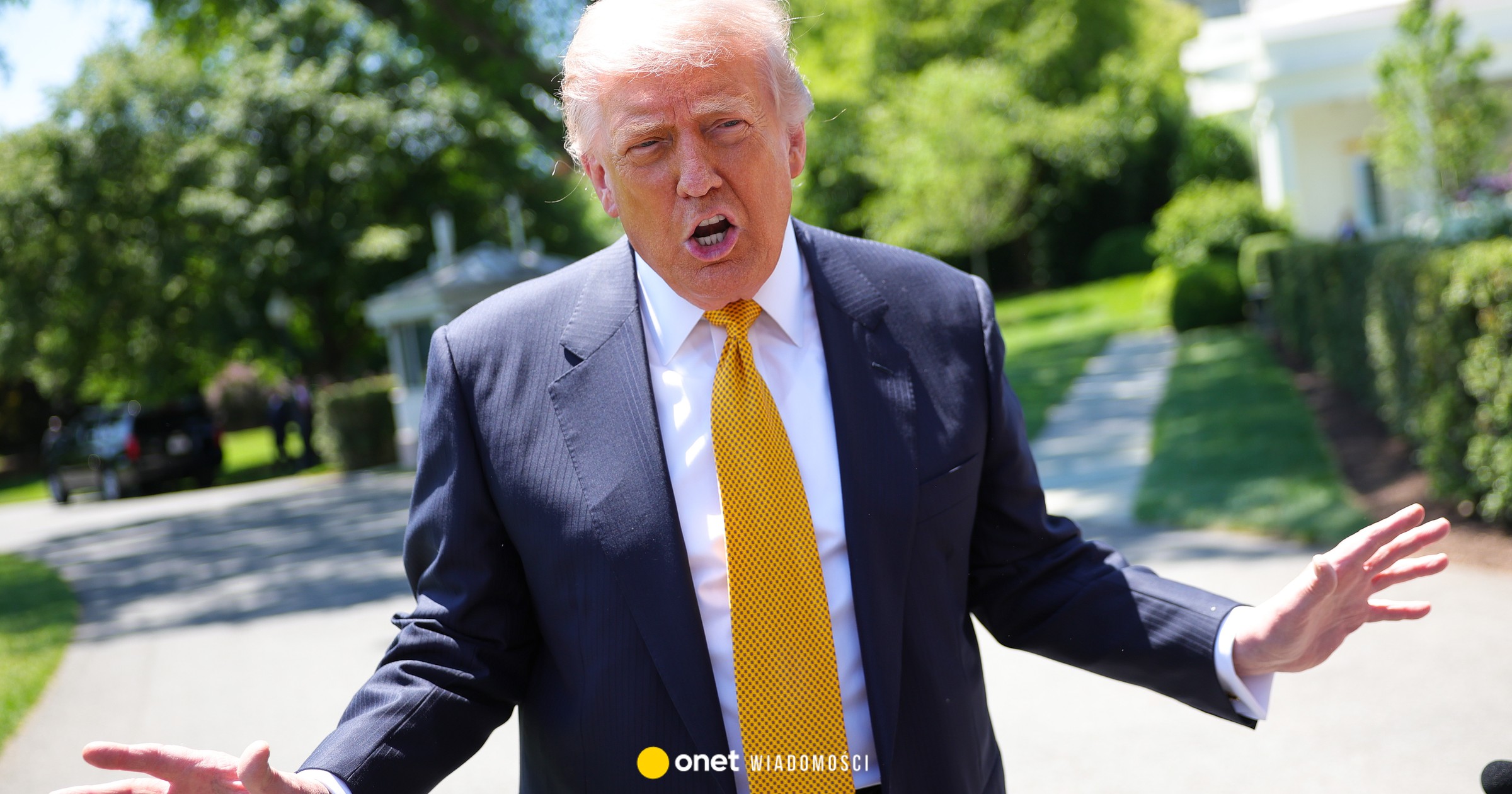
They support Trump. Now the giants sense big business. Billions of dollars on the table

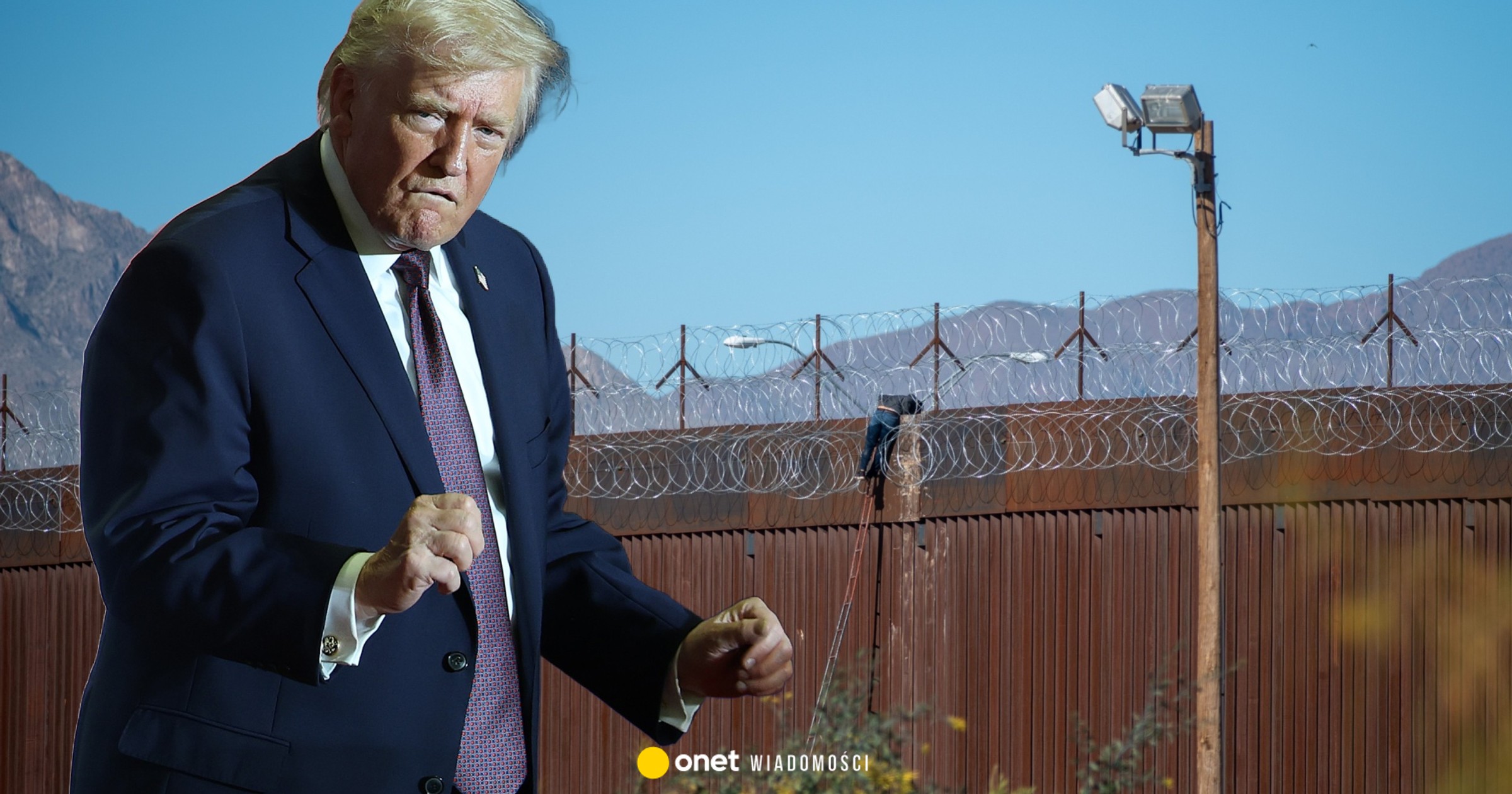
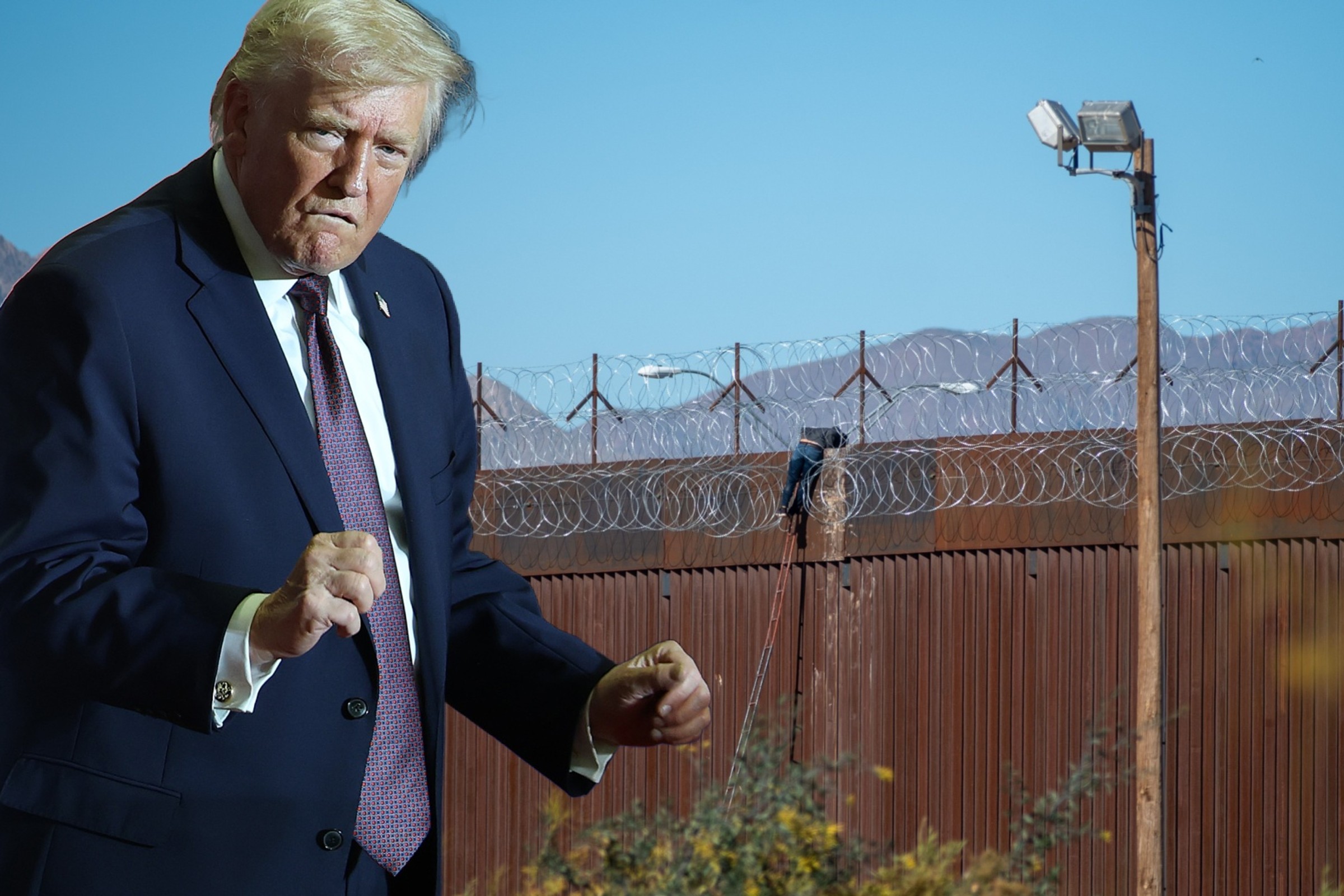
A shimmering heat hangs over the Texas border area. Where a nine-foot steel fence cuts through the barren landscape between the United States and Mexico, a convoy of dark SUVs stops. The Vice President of the United States gets out of one of the cars, narrows his eyes and takes off his jacket.
You can hear the drone of drones circling the air as JD Vance walks to a podium set on the desert sand. In harsh words, he paints a picture of a nation that suffers from “millions of illegal immigrants” and is threatened by increasingly technologically equipped drug cartels from Mexico. Slowly, however, the Republican's tone is changing. “The good news is we have new leaders now,” he says.
The situation is changing under President Donald Trump.
According to data from the Border Guard, the number of illegal border crossings here has dropped from 1,500 to 30 per day, and the number of deaths at the border fence has decreased by 85 percent. But this is not enough, says Vance – the border also needs to be better technically secured. “Imagine: the camera detects someone two miles away, in no man's land,” Vance tells the assembled reporters. — Instead of humans patrolling the area, artificial intelligence takes control.
The article continues below the video
Nearly nine months have passed since the vice president spoke in Texas. Plans for a “high-tech border” with Mexico, which were still in their early stages at the time, have meanwhile become increasingly concrete and financing has been secured for the long term. The Trump administration, as part of its restrictive migration policy, is carrying out massive armaments.
First, Trump sent 10,000. soldiers to the border after declaring a “state of emergency”. It was a rather symbolic gesture, because the number of illegal border crossings had already decreased significantly in the last months of Joe Biden's term. It has long been the case that on a border that is over 3,000 km long, fewer and fewer security forces have to patrol the area, and cameras, drones and artificial intelligence-controlled machines replace the human eye. What is met with indignation and sharp criticism from human rights organizations means primarily one thing for technology companies: a business worth billions.
Kristi Noem, secretary of homeland security in the Trump administration, does not hide the fact that huge amounts of money are being distributed as part of enhanced border security. Thanks to the Big Beautiful Bill, her ministry received “incredible resources,” the Republican claims. According to the Washington Post, the amount is up to $6 billion. [21,5 mld zł, według obecnego kursu walut]which is available in the first tranche. Soon it could be much more. Business at the border is secured for years.
This move shows how freely Donald Trump has been using money since he pushed the “Big Beautiful Bill” through Parliament – despite record debt of the United States, which currently amounts to over $37 trillion. [133 bln zł]. Thanks to fresh billions from the tax bill, the expansion of the facility that Trump began during his first term will now be completed, the White House says in a news release.
In fact, the border fence itself is several decades old. But already during Trump's first term, technology and construction companies benefited from lucrative state contracts, and the border fence was increasingly improved.
The United States is also increasingly using artificial intelligence to serve tourists and business travelers at airports and border crossings: on average, there are over 1 million official entries into the country every day. According to Customs and Border Patrol (CBP) immigration records at least 31 AI-based applications are already in use and another 28 are in testing.
Officials rely on harmless applications such as translation tools. However, government computers also run controversial “Fivecast Onyx” software. According to its own information, the company is able to search the web in a matter of seconds, scanning all popular platforms – even going back several years. CBP wants to use data comparison to “identify potential threats and monitor illegal activities” — and when in doubt, detain people while they're still at the airport.
However, the largest state orders are waiting on the border with Mexico. With Trump back in power, big tech companies in particular sense their big opportunity. In addition to the physical barrier, the government plans to use a virtual border to prevent migrants from illegally entering the US from now on. In addition to more cameras, sensors and drones, artificial intelligence also plays an important role here.
In parallel to the steel border installation, a “digital fence” will be built, consisting of hundreds of modern observation towers, some of which will be equipped with artificial intelligence systems, reports the American website “Axios”. These towers will be equipped with 360-degree radars and sensors that will be able to detect movements even from long distances, as well as distinguish, for example, people from animals.
According to Homeland Security Secretary Noem, the mobile towers can be set up in a matter of hours without concrete foundations. Images and data are transmitted to the screens of border guards, who can then send drones or patrols. Non-governmental organizations are outraged: although border protection is a state task, the project is partly carried out by private companies.
The project involves, among others, the technology giant Google. According to the investigative website “The Intercept”, video recordings provided by cameras from the towers are transferred to Google servers. The technology company therefore functions as a kind of “center” for towers on which soldiers no longer have to stand. According to “Axios”, Anduril Industries and Elbit Systems, two high-tech companies specializing in military technology, also receive large orders. Both companies — along with Palantir, the controversial data firm owned by billionaire Peter Thiel — are something of a regular customer of the Department of Homeland Security.
This company is found not only in Israel, where Elbit was founded, but also in the United States with increasing criticism over the military actions of Binyamin Netanyahu's government in the Gaza Strip. On the Mexico-Arizona border, Elbit will soon deploy 50 towers with up to 100 cameras for testing.
In reality, however, extensive video monitoring systems have been in place there for years. Their action was an ineffective waste of moneyas criticized by the Electronic Frontier Foundation, a non-governmental organization working for greater civil rights and data protection. Whether artificial intelligence will improve surveillance is a controversial issue.
Palmer Luckey, head of Anduril Industries, promises just that. He wants to eliminate the need for people to monitor borders as much as possible.
This only 33-year-old man financially supported Trump's election campaign in 2016 and, in addition to border protection, received another order from the government worth billions: the supply of modern augmented reality glasses for the US army. Meta's CEO, Mark Zuckerberg, is also involved in the development of the system called “Eagle-Eye”.
It was Zuckerberg who participated in the meeting of the heads of technology companies with the president at the White House in the fall. Cameras captured the scene at the beginning of the dinner: billionaires humbly and sometimes for several minutes thanked Donald Trump, praising his “far-sighted policies.”
This is a remarkable change of attitude. During the president's first term, many in Silicon Valley were critical of or rejected Trump. Military companies like Anduril were viewed as “dirty babies” by tech nerds. During the Biden administration, for example, Google insisted it had nothing to do with border security. Back in 2021, Mark Zuckerberg personally blocked Trump's Facebook and Instagram accounts after he incited his supporters to storm the Capitol.
Now tech entrepreneurs are lining up to enter the White House. In addition to the plan for a high-tech border, another good business opportunity is already tempting. As part of the “AI Action Plan”, the US government wants to support domestic companies dealing with artificial intelligence, without shying away from state shares in these companies. The goal is to ensure US economic and military dominance and overtake China – also at the border.