Warning from Berlin: Without the EU-Mercosur trade deal, blocked by several states, Germany will not be able to pay more to the EU budget


“If Germany does not return to the status of a strong exporting nation, then we will not be able, from an economic and financial point of view, to bear additional burdens for a growing multiannual financial framework,” said a senior official in Chancellor Friedrich Merz's party, quoted by Politico.
A senior German lawmaker from Chancellor Friedrich Merz's conservative bloc has issued a warning to countries blocking the EU-Mercosur trade deal: without such deals, Germany will not be able to contribute more to the EU budget.
“Germany is an exporting nation, which incidentally also benefits all the other EU countries,” Sepp Müller, deputy chairman of Merz's conservative parliamentary group in the Bundestag, said Wednesday when asked about Germany's influence in the ongoing trade deal negotiations with the Latin American bloc.
“If Germany does not return to the status of a strong exporting nation, then we will not be able, economically and financially, to bear the additional burdens of a growing multiannual financial framework,” he added, referring to the European Commission's 2028-2034 budget proposal for 2028-2034, worth 2 trillion euros, which is currently under discussion.
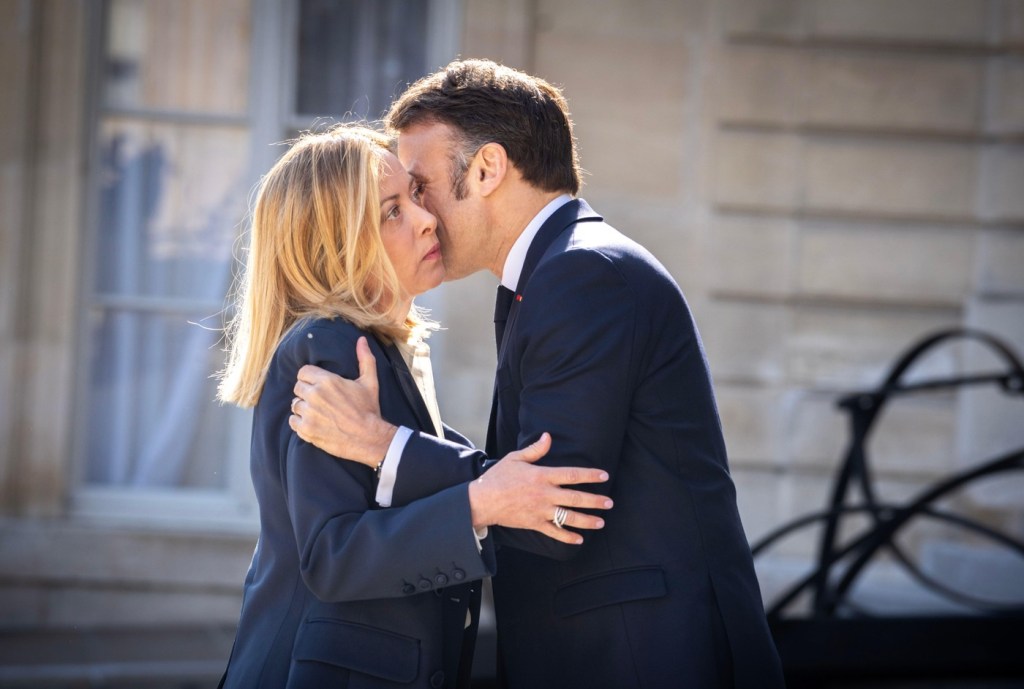 Italy joins France and rejects the immediate signing of the EU-Mercosur trade agreement / What the agreement contains and why it is criticized by farmers in several countries, including Romania
“Now Europe has to decide: does it want to put the German economy back on the growth path and thus support and develop the largest net contributor to the European budget?” he asked.
Speaking in the German Bundestag ahead of Thursday's EU summit, Chancellor Friedrich Merz also expressed frustration at persistent disagreements blocking the Mercosur trade deal.
Merz requests approval of the agreement
The deal, negotiated for more than 25 years, is close to completion, but France and Italy are asking for a delay to finalize additional safeguards designed to protect European farmers from increased competition from South America.
Farmers from several states, including Romania, believe that at the moment, the agreement does not provide guarantees for possible losses generated by cheaper agricultural imports from South America.
Only if these states give the green light, the president of the European Commission, Ursula von der Leyen, will be able to fly to Brazil on Saturday, the day after the EU summit, to sign the agreement.
“The European Union's capacity to act is also measured by the fact that, after 26 years of negotiations, we are finally in a position to conclude this trade agreement and thus move forward quickly with the trade agreements negotiated in Mexico and Indonesia,” said Merz.
“If in the situation we're in today, in the times we're living in today, we're still arguing over the details of the major trade deals that we Europeans want to make with large economic areas around the world, then those who do that still don't get the priorities we're setting right now,” he said.
Asked about Müller's comments, the chancellor's spokesman Stefan Kornelius said: “The government's policy is to implement Mercosur. The budget is another matter. A budget only works if we have economic growth.”
Germany contributes approximately €47 billion to the EU budget annually, which corresponds to approximately 23.6% of its funding and more than 1% of Germany's gross domestic product.
If Germany roughly maintains its current share of the budget, its annual contribution would rise to around 67.3 billion euros in the next fiscal cycle.
France and Italy, the critical voices
Italian Prime Minister Giorgia Meloni said on Wednesday she was not ready to back a trade deal between the EU and South American trade bloc Mercosur, dashing hopes of a deal being finalized in the coming days.
The president of the European Commission, Ursula von der Leyen, was due to travel to Brazil later this week to sign the agreement, concluded a year ago after a quarter of a century of negotiations with the bloc made up of Argentina, Bolivia, Brazil, Paraguay and Uruguay.
Meloni, however, joined France in requesting a delay in approving the deal, which is also rejected by other countries, including Poland.
“The Italian government has always made it clear that the agreement must be beneficial for all sectors and that it is therefore necessary to address in particular the concerns of our farmers,” Meloni told the lower house of parliament.
Germany, a country with an economy focused on the export of industrial products, is among the states interested in concluding the trade agreement with Mercosur, which would facilitate the access of these products to the South American market, this being also an argument of the European Commission in favor of the agreement.
On the other hand, South American agricultural products, which generally benefit from a cost advantage over European ones, will be able to enter the EU market more easily under this agreement, a situation that disadvantages European farmers and EU states with strong agricultural sectors, according to critics.