On December 6, Deputy Prime Minister Denis Manturov and the Governor of the Kursk region, Aleksandr Khinshtein, announced that monthly payments of PLN 65,000. rubles (at the current exchange rate of PLN 2.9 thousand) for refugees displaced as a result of the attack by Ukraine in 2024 will be completed. Manturow said the funds, which were roughly equal to the average monthly salary last year, would be redirected to regional reconstruction efforts from January. The decision was immediately triggered protests in Kursk. Several hundred people gathered to demand continued payments.
This is not the first time that refugees from Kursk have held those in power accountable inability or unwillingness to provide help. A year ago, they organized several protests and sharply criticized Khinshtein and his predecessor Alexei Smirnov, who was imprisoned, for inadequate and delayed aid and a lack of response from regional and federal authorities. Then the protests were bigger and the authorities reacted. This time, however, despite protesters' appeals to President Vladimir Putin, there is less chance of changing policy.
The dispute concerns a significant sum. In February, approximately 114,000 people received payments. inhabitants. 112.5 thousand people qualified for the last round of payments in November, and the total amount was 82 billion rubles (PLN 3.6 billion). This money – which financed only part of the payments to which residents were entitled – had to be withdrawn from the government's reserve fund in the form of interbudget transfer to the region.
The scale of payments is almost the same as the 91.9 billion rubles (PLN 4.1 billion) allocated to the region's budget for 2025. While most Russian regions recorded a real or nominal decline in inter-budget transfers, transfers to Kursk more than doubled in 2024. At the end of October 2025, they were already 56%. higher than the entire budget for 2024
On December 14, the regional government issued a legal clarification stating that, in accordance with the federal government's decree, payments will continue until the end of the ongoing “anti-terrorist operation” in the region, but the decree itself expires at the end of this year. This is tantamount to the regional authorities giving up and saying that everyone is right, but they have no jurisdiction over the matter.
However, the message also had a much harsher tone.
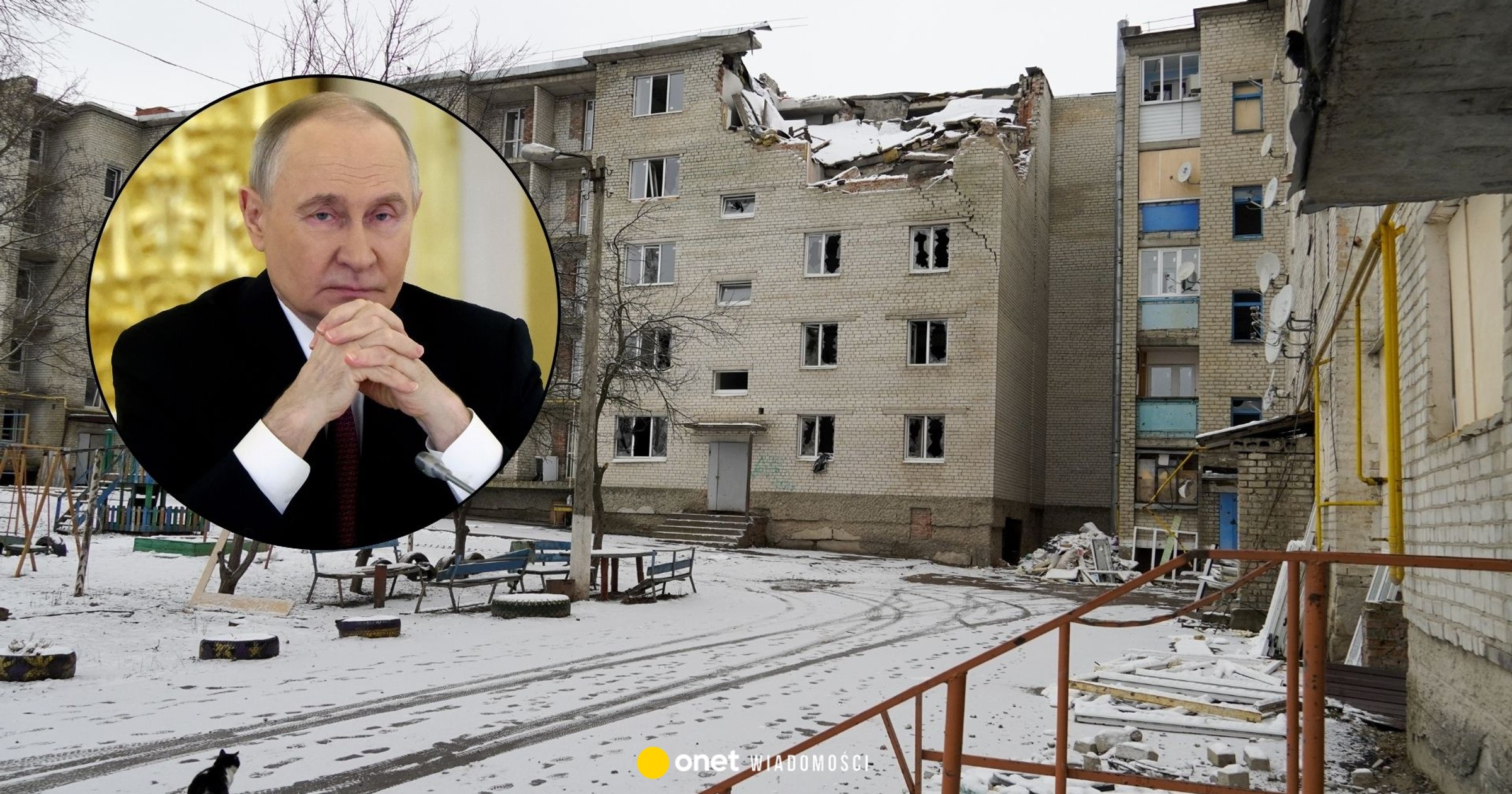
A region in ruins
Victoria Penkova, one of the governor's advisers, instead of showing sympathy, she scolded people for fleeing and failing to defend their homes against Ukrainian soldiers. Alena Liskova, an activist and leading figure in the current protests, was detained by the police for questioning (as were previous organizers of the demonstrations earlier this year). Pro-war Telegram channels also ridiculed protesters as participants in a Ukrainian “special operation.”
It is true that monthly payments were initially intended to be interim measure and were not intended for long-term financing from the federal budget. In May, Putin said they would continue to be paid until the region was “fully liberated.” Officially, residents should receive it housing certificatesto buy or build new homes if it is determined that their previous homes were destroyed during hostilities. However, the authorities only spent 14,000. such certificates, and residents complain that compensation does not take into account the rising costs of real estate.
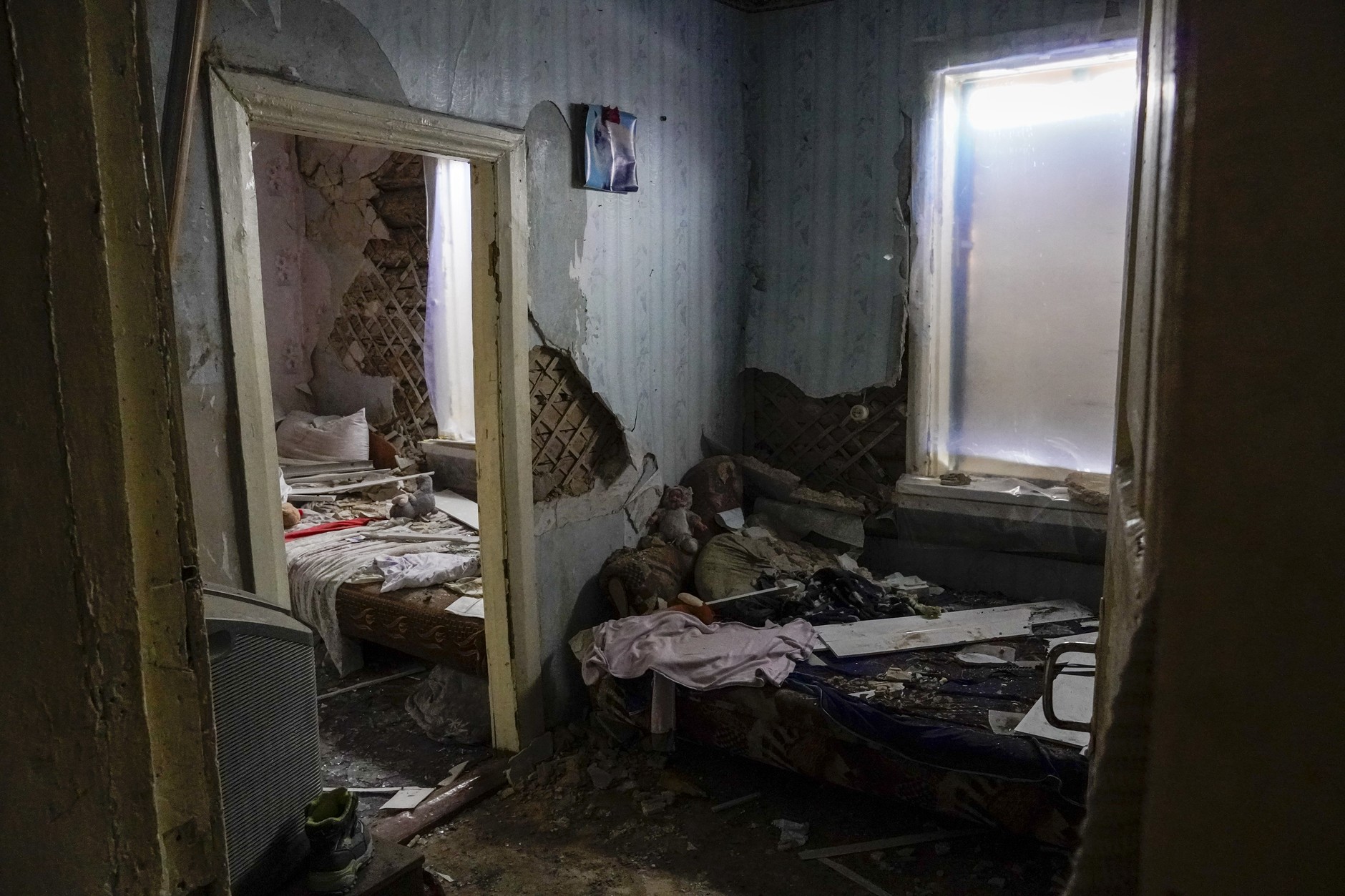
Destruction in the Kursk regionVladimir Aleksandrov / Getty Images
In fact, it is difficult to even determine how many homes were irreversibly damaged. Border regions are still considered too much dangerousto get to them. It took the Russian army nine months to dislodge Ukrainian troops, and reconstruction is not going quickly. A few days before the decision regarding the payments was announced, Khinshtejn said in a conversation with Putin that reconstruction is not expected to begin in earnest until next year, and the arduous process of clearing mines is still “in progress”.
The reason for the unexpected delay may have been poor implementation of other regulations on which the cancellation of payments depended. However, it was a decision to make political decisionas federal funds were distributed for various purposes. According to current budget plans, the government plans to spend 940 billion rubles (PLN 42 billion) over three years on the reconstruction of the occupied territories of Ukraine, under the leadership of Deputy Prime Minister Marat Khusnullin.
Keeping calm
The suspension of payments says a lot about the political importance of the Russian region compared to the occupied territories and war in conditions of limited budget. Risk perception also plays a role: cutting aid to people in a backward region is considered less politically risky than withdrawing funds from war-related policies and major construction projects.
Even arrogant responses to protests can be very well thought out. Refugees, although numerous, constitute only one-tenth of the region's population and will not necessarily be the center of attention or sympathy. A report from the end of 2024, which describes the mechanisms of Kursk residents coping with the war on their borders, described a gap between the group identity of residents and refugees, which sometimes even led to reluctance towards those receiving free benefits. The general public, under fire, felt rather more solidarity with the soldiers.
The report also described how the constant fight against the authorities exhausted the refugees, who began to rely more on volunteers than on the state. Authorities are likely aware of both of these dynamics and do not expect the protests to spark a local uprising. The task of governors like Chinsztejn – a PR specialist and outsider – is to find the right way to present the developing situation and maintain peace in the region. Chinsztejn did it all year round, including: blaming and removing local officials.
While it now seems unlikely that the protests will cause serious problems for the Kremlin in the near future, what happened is a reminder of how difficult it is to take away benefits and privileges from members of a well-defined group when belts need to be tightened. The Kremlin should consider this. Ultimately, hundreds of thousands of soldiers are expected to return from the front to a reality in which the Russian state has limited ability to provide for its citizens.