A Hollywood director was sentenced for defrauding Netflix of millions of dollars because of a series that was also supposed to be filmed in Romania


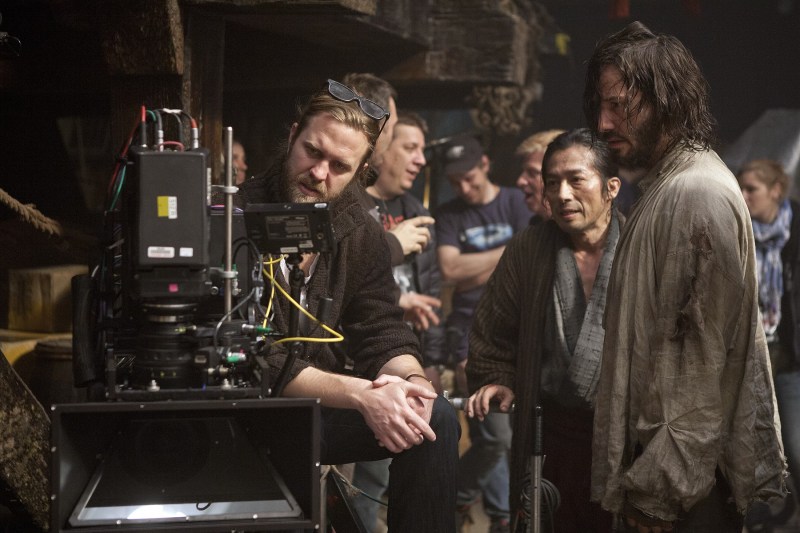
Director Carl Rinsch with actors Hiroyuki Sanada and Keanu Reeves on the set of the feature film “47 Ronin” from 2010, PHOTO: All Film Archive, Universal Pictures / Mary Evans Picture Library / Profimedia
A Hollywood director was convicted Thursday of defrauding Netflix of $11 million for a series that never materialized, instead using the money for extravagant purchases, including several Rolls-Royce limousines, a Ferrari car and luxury mattresses and bed linens worth about a million dollars, The Guardian reports.
Carl Rinsch, best known for directing the film 47 Ronin starring Keanu Reeves, was found guilty of wire fraud, money laundering and other charges by a New York court.
Benjamin Zeman, Rinsch's attorney, said in a statement that the verdict was wrong and “could set a dangerous precedent for artists involved in contractual and creative disputes with their financiers — in this case one of the world's largest media companies — who find themselves indicted by the federal government for fraud.”
Prosecutors said Netflix had originally paid Rinsch about $44 million for an unfinished sci-fi series called White Horseand then sent him another 11 million after he said he needed additional funds to complete production.
Rinsch's lawyers tried to argue in court that their client did not have full capacity for discernment at the time.
The Netflix series was supposed to be filmed in Romania and other countries
Filming began after an ambitious schedule that saw several months of filming in Brazil, Kenya, Mexico, Romania, Germany, Hungary and Uruguay in 2019.
Rinsch began filming in Brazil and quickly went over budget, according to court documents. Although he had promised to shoot seven more episodes, he informed Netflix that he would only be able to complete one episode with the money already received.
After production was temporarily halted in Hungary, Netflix agreed to advance additional funds. Filming stopped in December 2019, with many episodes still unfinished. Rinsch then began expanding the script and requested an additional $11 million to complete the first season.
Hoping to save the project, Netflix agreed to pay the amount in March 2020.
What did the director do with the money he got from Netflix
But instead of using the money for the show, Rinsch transferred it to a personal account, where he made a series of failed investments, losing about half of the $11 million in a few months, according to prosecutors. He then placed the remaining funds in the cryptocurrency market, making some profit, but Rinsch later transferred the money to his own bank account.
Extravagant purchases followed, with Rinsch buying five Rolls-Royce limousines and a Ferrari, as well as $652,000 worth of watches and clothes. He bought two more mattresses for about $638,000 and spent another $295,000 on luxury linens and bed textiles. In addition, he used some of the money to pay off about $1.8 million in credit card debt, prosecutors said.
Rinsch, 48, never completed the series. Sentencing is scheduled for April next year.
US Attorney Jay Clayton said Rinsch “took $11 million intended for a TV series and gambled it away on speculative options and cryptocurrency transactions.”
“Today's conviction shows that when someone steals from investors, we follow the money and hold them accountable,” Clayton said.