Trump's rates trigger a massive sales of American bonds. China sells US debt? Panic extends to markets

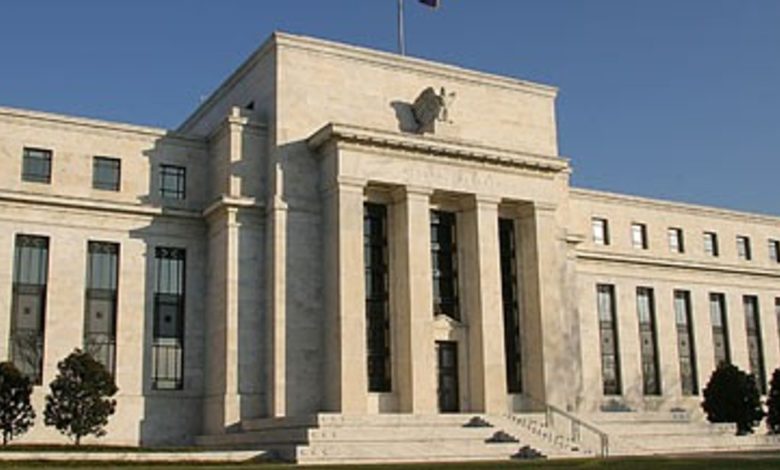
Confidence in the US economy decreases vertiginously, investors giving up government debt due to increasing concerns about the impact of Donald Trump's rates.
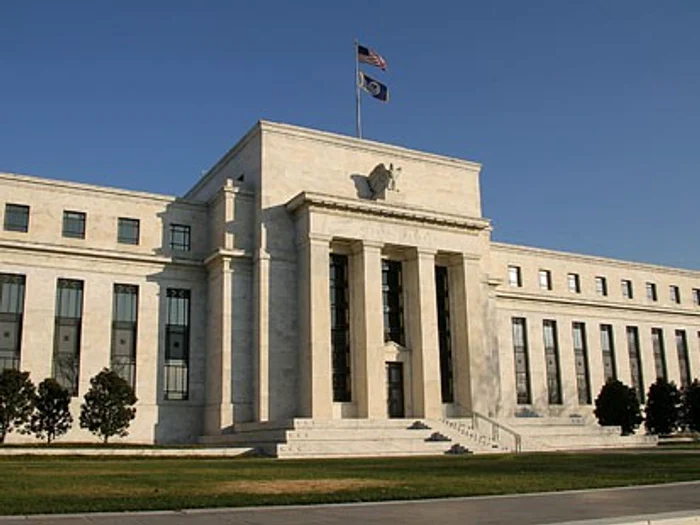
American federal reserve/photo: archive
Governments sell bonds to get money from financial markets for public spending and, in contrast, pay interest.
Normally, the US does not register high interest rates on its debt, because its bonds are considered a safe investment, but on Wednesday the interest increased suddenly, reaching 4.5%.
The growth occurred after Trump continued to impose drastic rates for the goods imported into the US, while the commercial war between Washington and China continued to climb.
After Wednesday, at midnight, the US has implemented a 104% rate on China products, Beijing responded with an 84% fee on American products.
The stock markets have dropped abruptly in the last days, as a reaction to the escalation of the global commercial war and to the fears related to the rates that increase the prices.
However, selling bonds in the US raises a major problem for the world's biggest economy.
Interest rate – or yield – for 10 -year government loans has suddenly skipped in the last days from 3.9% to 4.5%, the highest level from February to present.
The growth has scared economists, because American bonds are traditionally considered a so-called safe refuge in which investors put their money in periods of financial turbulence.
“Increasing the yields of bonds means higher costs for loans for companies and, of course, for governments”said Laith Khalaf, head of the investment analysis department at AJ Bell.
“Bonds should do well in periods of turbulence, because investors run for safety but Trump's commercial war is now undermine the US debt market“He added.
While interest rates on US government debt increased, the price of obligations themselves decreased, because the demand has weighed because investors have been rid of them.
Mohammed El Erian, chief economic adviser to Allianz and former head of the largest Pimco bond administrator, said that one of the reasons why US loan costs increased was the “erosion” of obligations considered a safe refuge.
He added that concerns about the impact of tariffs on inflation and US government budgets were also reasons.
Will the federal reserve intervene?
Some analysts have suggested that the US Central Bank – the US Federal Reserve – could be forced to intervene if the turbulence continues, in a movement reminiscent of the emergency action of the 2022 Bank, following the disastrol budget of Prime Minister Liz Truss.
“We see no other option for the FED than to intervene with emergency acquisitions of American treasury titles to stabilize bond market“Said George Saravelos, the global head of the FX research department at Deutsche Bank.
“We are entering a non -cartothe territory“, He said, adding that it is” very difficult “to predict how the markets will react in the next few days, because the bond market suggests that investors have”Lost trust in American assets”.
El Erian told BBC's World at One that Fed will be “torn” about what measures to take, given that his main mandates are to manage inflation and maximize employment.
Economists have predicted that American tariffs, which will be paid by American companies that import goods from abroad, will increase consumption prices on the domestic market.
Trump's plan aims to protect American businesses from foreign competition and also stimulate domestic production.
However, the decrease of stock markets, as a result of the fears that the additional taxes will affect the profits of the companies, could eventually lead to the reduction of jobs and an economic recession.
American recession, a bet of 50-50
JP Morgan, the investment bank giant, increased the probability of a recession in the US from 40% to 60% and warned that American policy “deviates from growth”.
Simon French, the chief economist at Panmure Libeum, told the BBC that Fed could decide to cut interest rates to protect US jobs, making it easier for business to borrow money, as they face higher costs.
“It is a 50-50 bet” about the US entry into a recession, he added.
A recession is defined as a prolonged and widespread decrease in economic activity, usually characterized by an increase in unemployment and a decrease in income.
“When sneezing US, the world is cool”
El Erian said that the UK is likely to be affected by the sale of American bonds.
“When the US government titles are sneezing, British government bonds cool – I saw a significant increase in British bonds, which means more pressure on the budget.“He added.
Increasing the yields of British bonds means “Higher loan costs for companies and households ”he added.
The Bank of England warned on Wednesday that American tariffs “have contributed to a significant increase in risk for global growth“And financial stability.
“Uncertainty has intensified“, She said.
Investors now bet on the fact that the bank will reduce the interest rates up to four times, to support the economy against a potential economic recession.
However, the collapse of stock markets, as a result of fears that additional taxes will affect the profits of companies, could eventually reduce jobs and economic slowing.
The US Treasury Secretary Scott Bessent, claimed that Trump's purpose is to bring “Jobs and production back in the United States, to increase wages, increase income and revitalize American dream“. He added that the Trump administration seeks to” correct the long -lasting global commercial injustices. “
However, the questions remain regarding the magnitude and type of investors selling US government securities. There are speculations that some foreign countries, such as China, which owns about $ 759 billion in American bonds, could be the ones that sell.
Saravelos warned that “there will be no winner” in this commercial war. “The loss will be the global economy,” he concluded.