December 10 11:38
Russian mobile operator T2 will increase the share of base stations produced by Bulat on its network to 3% by the end of the year. Alexey Dmitriev, Deputy General Director for Technical Infrastructure at T2, spoke about this in an interview with RBC.
T2 built a third of all new sites this year using domestic equipment. The operator also plans that in 2028, packet switching equipment from another domestic vendor, the Proteus company, will service LTE traffic in all T2 macro-regions.
Import substitution is the main focus of T2 in 2025. In a changing market and global challenges, the company strives to reduce dependence on foreign supplies and create a sustainable ecosystem based on domestic technologies. T2 is already importing all components of the mobile network: the network core, packet switching, transport network, infrastructure and the base stations themselves.
Alexey Dmitriev, Deputy General Director for Technical Infrastructure at T2: “Base stations are becoming a growth driver for the mobile network as a whole, influencing the geographic development of operators. We tested five potential suppliers and settled on the Bulat company's solution. This is the first base station in the country that works with 2G and 4G, which distinguishes the solution from Chinese analogues of the second and third tier, and in this part complies with the provisions of foreign Class A vendors.”
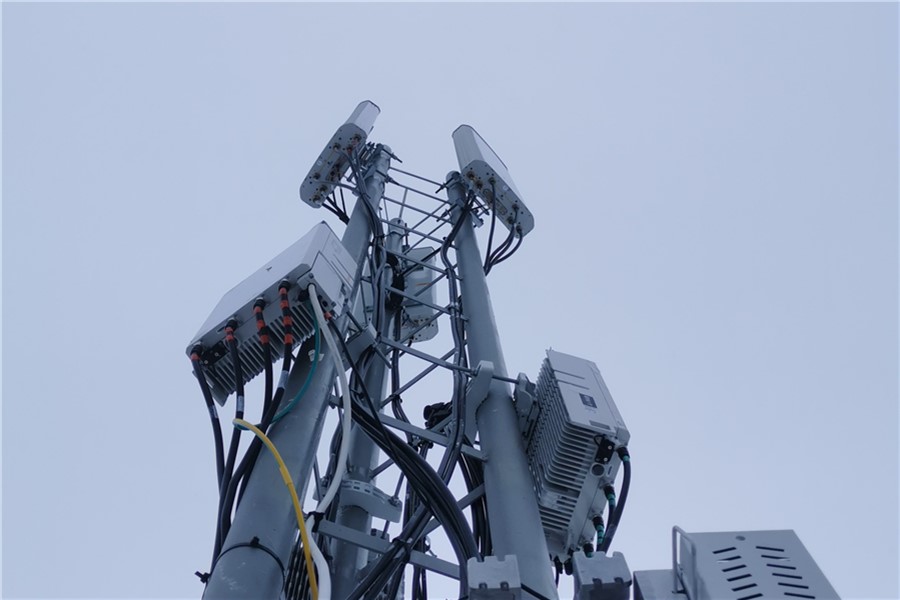
The first Bulat T2 base stations went on air in December 2024 in the Nizhny Novgorod region. Already in August 2025, the company celebrated the launch of the 500th base station on the network in the Kursk region, and in November – the thousandth in the Irkutsk region. In total, by the end of the year, more than 30% of new T2 sites will work on Russian equipment; in total, the number of sites on Bulat will reach 3% by the end of December.
Work on import substitution implies not only the replacement of imported base stations with domestic analogues, but also the development of its own technologies, which allows the company not only to ensure the reliability and security of its network, but also to make a significant contribution to the development of the Russian economy.
Thus, at the moment, all LTE traffic in the Volga macro-region is already serviced using the packet core of the Russian developer Proteus. Plans for next year include a transfer to domestic equipment and traffic of the Siberia macroregion. By 2028, packet switching equipment from Proteus will service LTE traffic in all T2 macro-regions.
Advertising. T2 MOBILE LLC. erid: 2VfnxxVUumb
Related links:
- Operator T2 spoke about the dynamics of VoLTE use in the Krasnoyarsk Territory
- Operator T2 increased 4G speed in the northernmost cities of the Krasnoyarsk Territory