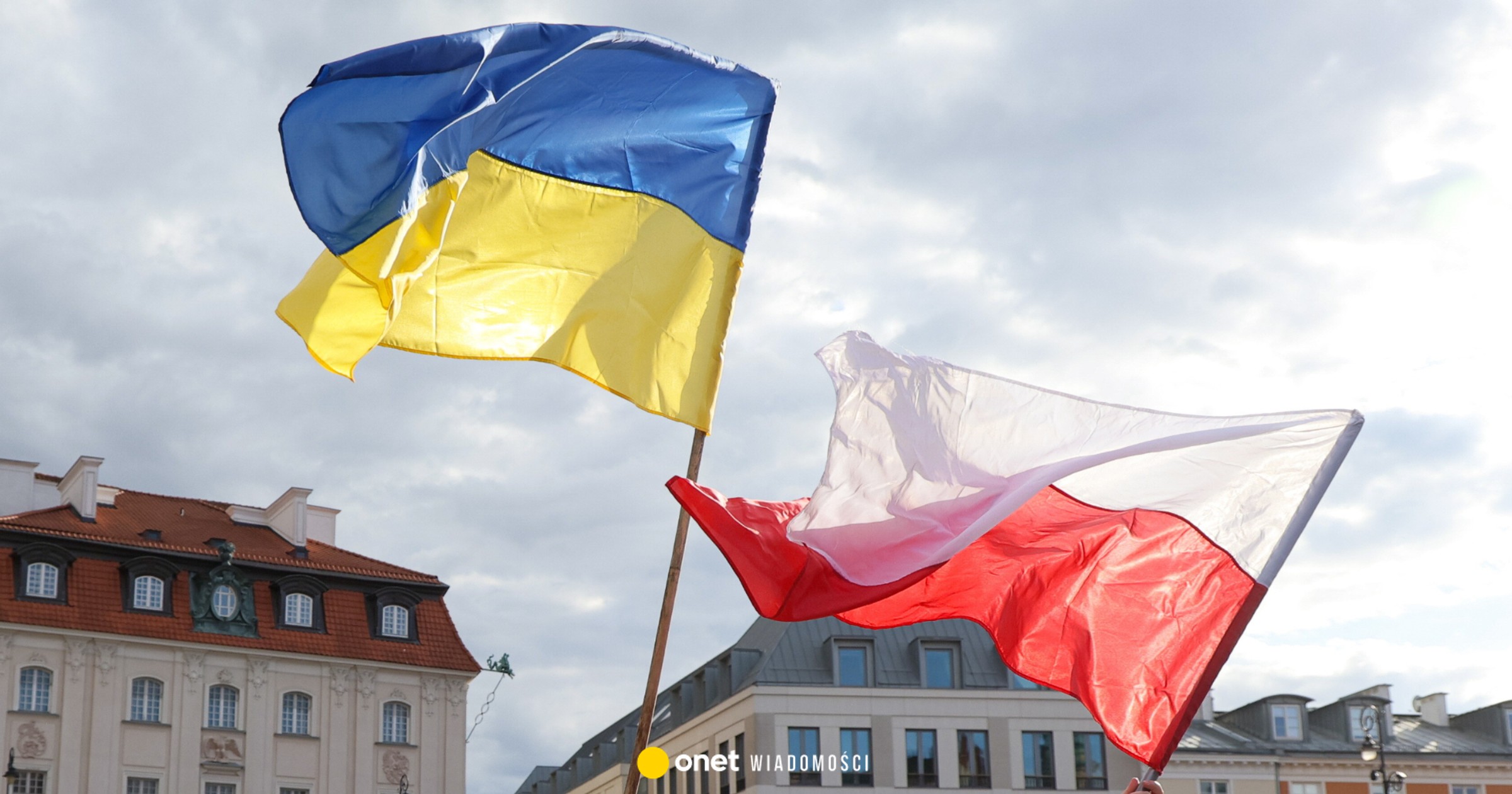
The strangest New Year's Eve traditions and superstitions in the world. The country where paper dolls with politicians' faces are burned at midnight


New Year's Eve, the magical time that marks the passing of years, is shrouded in fascinating traditions and superstitions, passed down from generation to generation.
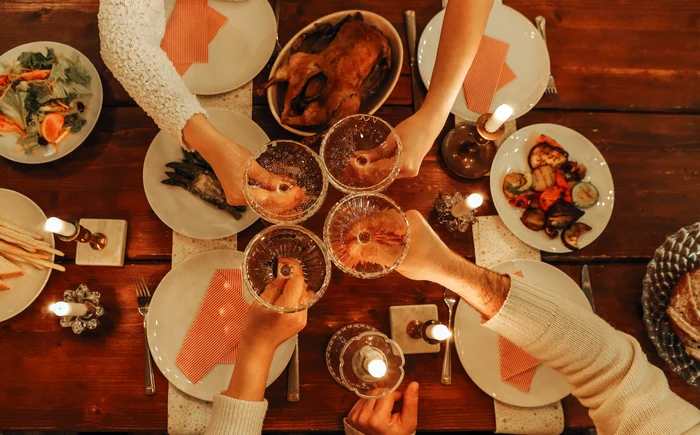
New Year's Eve PHOTO: Shutterstock
There are a lot of strange superstitions in the world on New Year's Eve. The year-end number change has in it the belief that the old year that dies and never comes back makes way for a better one.
A “better” that is inevitable, like the passing of time.
It is very true: the year that is dying was, 365 days ago, the one in which people planted all their hopes, writes Mediafax.
This is the fascination of the human being: it dares to hope even when all the data of immediate reality clearly shows that there is, realistically speaking, no basis for that hope that dies last.
to HEBREW there is a belief that if they eat honey on New Year, they will have a sweet year.
Jews use to eat pumpkin because they believe that the humble vegetable brings them good luck for the coming year. The Jews also have the custom of putting their head in a symbolic snake hole, saying, at the same time, the words: “Let's be the head, not the tail!”. This chapter also includes the habit of eating a fish or lamb's head (ie “to be leaders, not to be led”). Interestingly, the ladies cook a kind of round cake, which symbolizes the cyclicality of life, the round, the perfect.
to Lebanese and at Egyptian a pomegranate is broken at midnight, in the belief that the more seeds that fall on the floor, the more prosperous the coming year will be.
They also have the custom, taken from the West, of putting money under their pillow on New Year's, in the belief that they will get good luck with money all year.
In Europe and the rest of the world – “as many brothels, as many customs”
In Denmarkneighbors or friends break plates at the door of friends, and the joy and surprise of the owners of the door is to find the multitude of shards – the more, the more prosperous the year will be. What, on another day of the year, can be the subject of a complaint to the police, on New Year's Eve, is the sign of love.
In Czechiawomen throw a shoe over their shoulder towards the door – if the toe of the shoe points towards the door, a marriage is forthcoming, and if not, you have another 365-day turn.
In Switzerland the belief that if you throw cream on the floor on New Year's Eve, you'll be prosperous all year long, and that makes sense, if you think that the person picking up after you will actually fill your fridge with good wishes.
to Greek there is the same custom as among the Egyptians, of breaking the pomegranate at the door, in the belief that the more berries enter the house, the more you have to wash after. Pardon: that's how prosperous your year will be.
In Italythere is a belief that you must wear new red underwear to attract new love into your life.
Burnt dolls with the faces of politicians
In Ecuador there is a belief that if you burn paper dolls with the faces of famous politicians, you burn bad luck and sorrows.
In Japanif you listen to 108 bells, you cleanse yourself of 108 worldly desires.
In Finland melt tin and pour in cold water. The resulting shape shows what the next year will be like – if the shape resembles a heart, Cupid's arrow hits you, if it is shaped like a boat – you go on trips. And so on.
In ROMANIA the next year must catch you in a good mood, because otherwise you will be like this all year.
In Philippines people dress in polka-dotted clothes and eat round fruit, believing that the round one places them on a lucky circle from which they never get out.
In Brazilat midnight, jump over seven ocean waves. At each wave you have to make a wish. If you don't know how to swim, you're out of luck.
In Colombiaif you want to travel a lot in the coming year, you must go out at midnight with an empty suitcase and walk around the house. The weirdness is more likely to come true the more neighbors I see doing it.
Joy sets the tone
In a similar idea, in Peru there is a belief that yellow attracts money. You must, therefore, have something yellow on you to attract prosperity in the new year.
In Sloveniayour luck is determined by the first person who enters your house after the New Year – if they're happy, it's good, so will you be, if not, bad luck!
In Chinathe Nian monster gets scared if you throw firecrackers and generally make a lot of noise. It would also be advisable to wear something red for luck (because all Chinese know that monsters are afraid of this color and take it for granted).
In Vietnambut also in other countries, a thorough cleaning is done, so that you don't have to sweep on the first day of the year, thus sweeping (God forbid!), and luck.
Superstition and the illusion of control
In Scotland and in new zealandthere is a belief that the first person to enter your home after ringing in the New Year must be a good-looking man with coal, bread, salt, whiskey, symbolizing prosperity.
Obviously, these superstitions invented by humans, for humans create the impression that you can control your future, which, to some extent, is actually true: we all control our future.
However, it remains to be determined to what extent carrying an empty suitcase around the house (and in front of as many neighbors as possible) or breaking the plates at the front door helps us to do this.