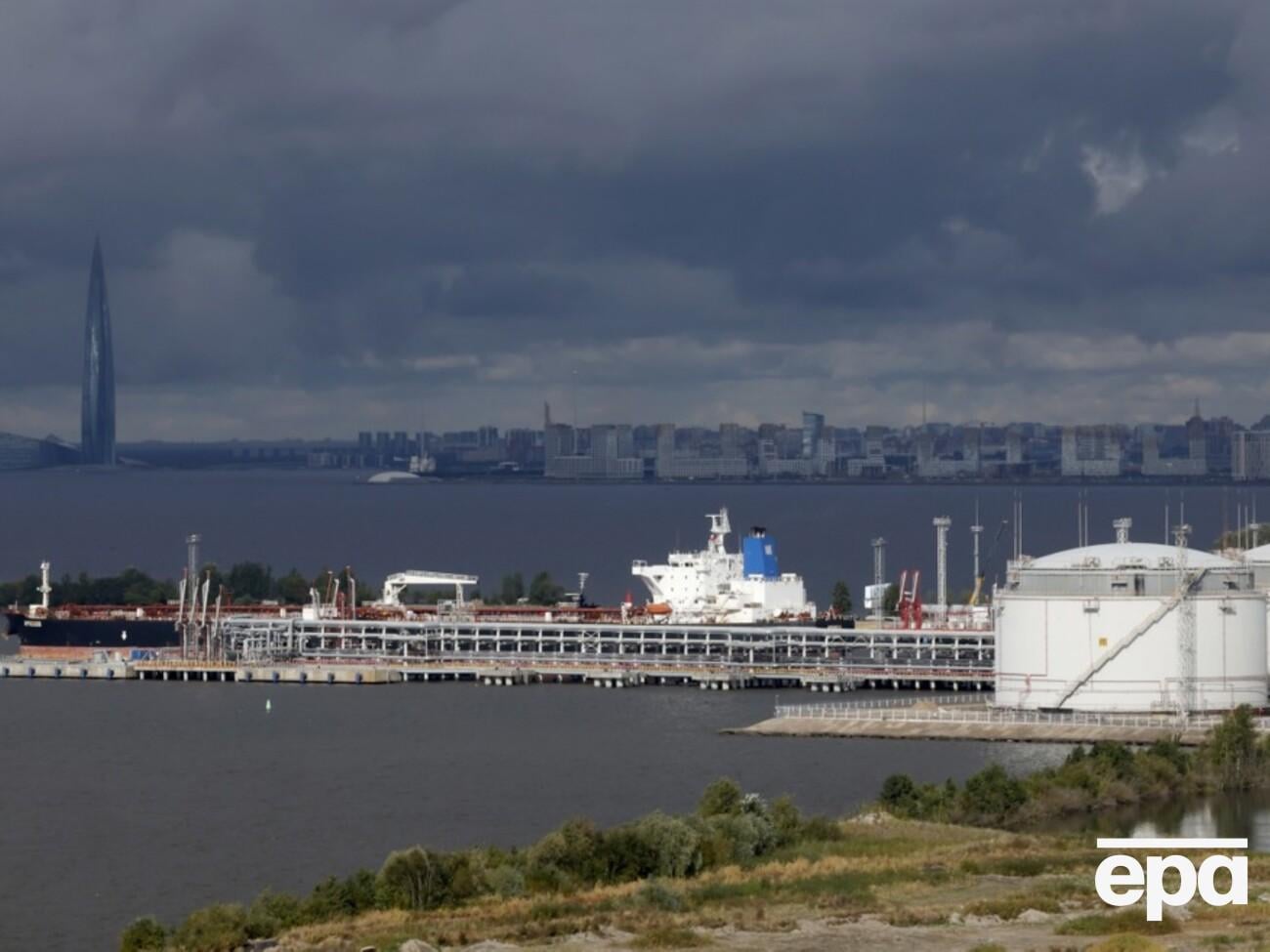
According to the agency, more than a third of Russian oil is still transported by Western tankers and using the services of EU countries, primarily Greece, Cyprus and Malta. The ban would effectively stop this trade and would be the West's toughest move against Russian oil exports since 2022.
Another part of Russian exports is carried out by the so-called shadow fleet – old tankers with opaque ownership that operate without Western insurance or oversight. If a ban is introduced, Russia will have to significantly expand this fleet.
The mechanism under consideration may be included in the next package of EU sanctions, planned for early 2026. Brussels is trying to agree on a decision with all G7 countries before submitting it for formal approval.
British and American officials are actively promoting this idea, but the final US position will depend on what strategy of pressure on Russia the administration of US President Donald Trump chooses against the backdrop of ongoing peace negotiations.
The price cap introduced by the G7 in 2022 allowed third countries to buy Russian oil using Western services only if the price did not exceed a set limit. However, a significant part of Russian exports was reoriented to Asia due to the “shadow fleet”, and the effectiveness of the ceiling gradually decreased.
In October, 44% of Russian exports were carried by ships already under Western sanctions, while 38% were carried by tankers linked to G7 countries, the EU and Australia, according to analysts. The total “sanctioned” fleet of Russia, Iran and Venezuela is more than 1.4 thousand tankers.
Context
On October 22, the US Treasury Department imposed sanctions against Rosneft and Lukoil in response to illegitimate Russian President Vladimir Putin’s refusal to end the war in Ukraine, which the US called “senseless.” At a press conference, US President Donald Trump expressed hope that these measures will force Putin to the negotiating table.
At the end of October, Western media reported that maritime supplies of Russian petroleum products had dropped to their lowest level since the start of Russia's full-scale invasion of Ukraine. In particular, the Indian oil refining giant RIL began purchasing oil from the Middle East and the USA.