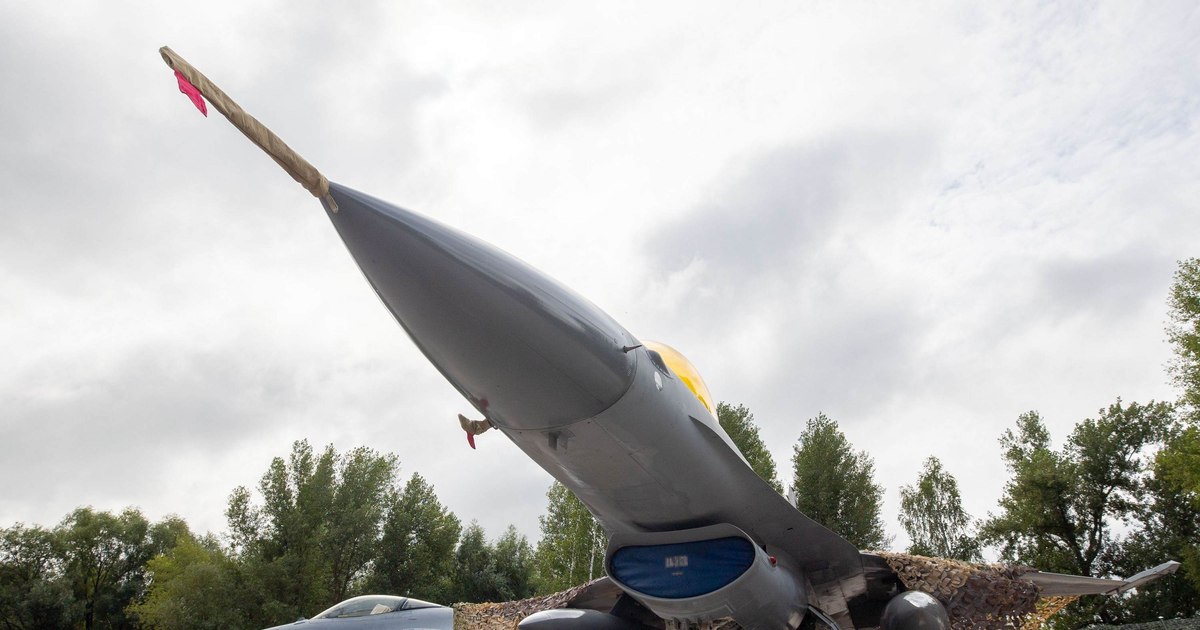
The Ukrainians manage to protect their modest fleet of F-16s using tactics designed to ensure their long survival: operating at night from small airstrips, hastily but with the efficiency of experience. A Russian attack can come at any time, hovering like a dark shadow over every mission, euromaidan press reports.
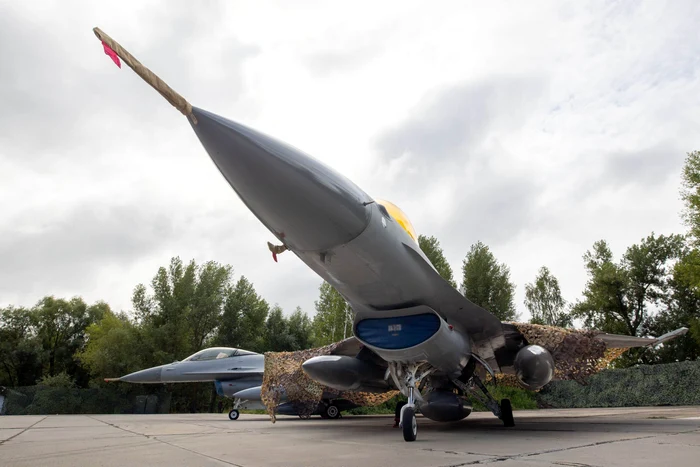
PHOTO X
To protect its valuable fleet of American-made F-16 fighter jets, the Ukrainian air force disperses, attacks at night and moves quickly.
The threat of Russian missiles and drones hovers in the air, while air force ground crews fuel and arm supersonic F-16 jets -.
Crews are rushing to take off before the Russian munitions go into action, a member of a maintenance team said in a recent official video. “Prepare the plane, put the pilot in it and put yourself in the shelter,” is how he described his night work.
Another problem is that there are far too few ground crews, spare parts and weapons for the agile F-16 jets, which Belgium, Denmark, the Netherlands and Norway have provided to Ukraine from their own stocks.
“The work is difficult and intensive because there are shortages,” said a second maintenance manager in the same video.
On the other hand, there is also a positive aspect: ground teams have gained a lot of experience, valuable in these difficult conditions, since the first operational F-16s arrived in Ukraine in August 2024. Proof: the air force lost only four of the hard-to-replace aircraft in the first 10 months of operations.
It hasn't lost one since June as more F-16s arrive — the 50th may already be in Ukraine — and the pace of missions picks up.
The F-16 is on track to become the most numerous aircraft model in service with the Ukrainian Air Force, outnumbering the former Soviet Mikoyan MiG-29 and Sukhoi Su-27.
According to the latest developments, the F-16 appears to be only a temporary solution for the Air Force under pressure. Ukraine recently signed an agreement with Sweden under which the air force would supplement its fleet with Saab JAS-39 or Gripen aircraft.
Missions with a high degree of risk
There are good reasons why Kiev wants to have Swedish Gripen aircraft in your fleet. To avoid Russian attacks that could destroy its modest fleet of about 125 fighter jets, the Ukrainian air force divides its brigades into small teams that travel in trucks to airstrips and even highway sections in central and western Ukraine.
“We often have to use operational airfields,” explained the first maintenance officer. “We work mostly at night.”
Saab designed the Gripen for operations on short, debris-filled runways. The F-16 does not hold up as well in the same harsh environmental conditions.
Dispersed flight operations are chaotic and risky. A few maintenance specialists prepare a few planes, launch them as quickly as possible, then scurry to hide in case the Russians spot the launches and attack with drones or missiles.
“There were situations when, right after we launched the plane, a Russian munition was flying over us and we literally only had time to run for cover, because 100 meters away there was already an explosion,” recalled the first member of the ground crew.
It is unclear how many aircraft a single team can launch simultaneously from a single location. It is significant, however, that a dispersed air force ground crew launched enough F-16s to fire 45 missiles in a single night, according to the second in charge of maintenance. A Ukrainian F-16 typically performs air defense missions, defending against Russian drones and cruise missiles, with a payload of just six air-to-air missiles.
That implies that a single location could have launched at least nine F-16s — or recovered, rearmed and relaunched a smaller number of F-16s, all in the same night.
It's an impressive feat for an outnumbered and outgunned air force.