'Serious investigative errors' found in ex-FBI chief's case file. US judge orders 'extraordinary measure in unique circumstances'

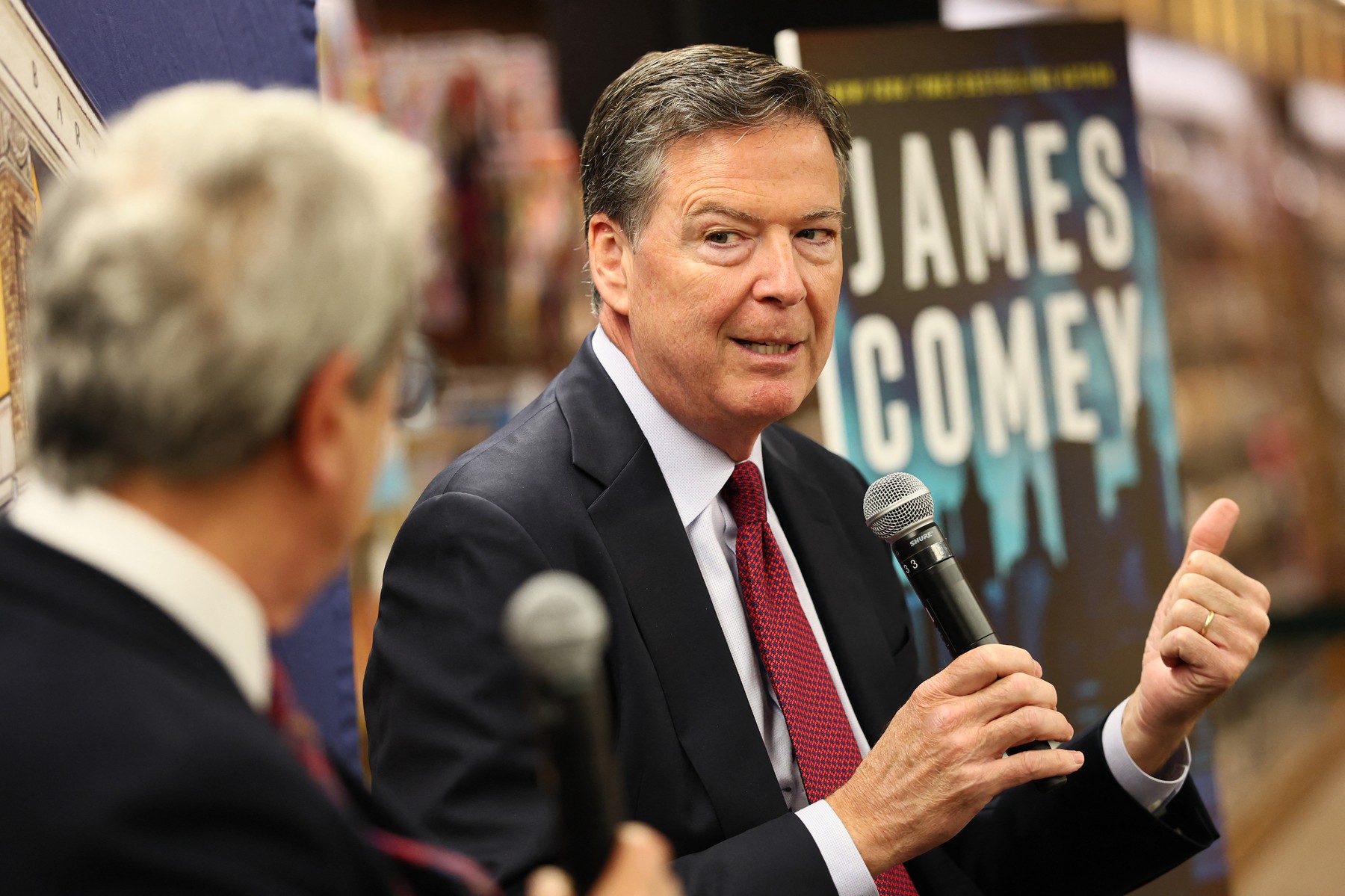
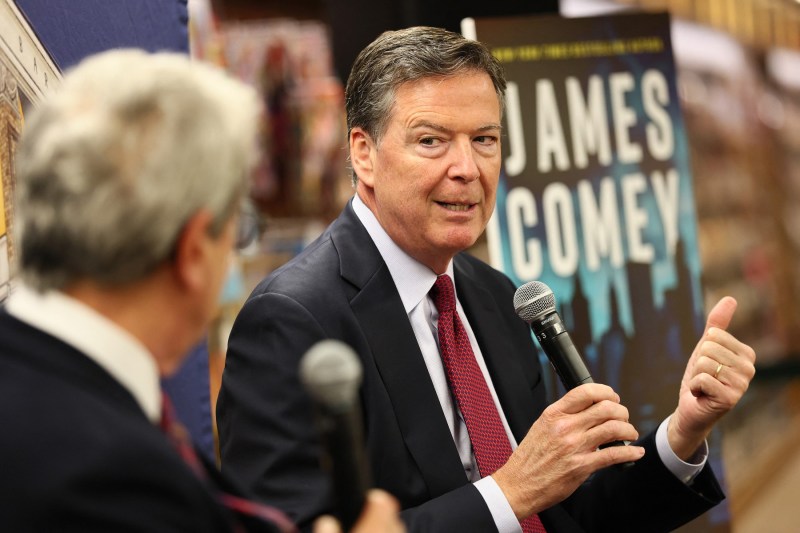
James Comey, former director of the FBI, in New York City, USA, on May 19, 2025. PHOTO: Michael M. Santiago / Getty images / Profimedia
A US judge on Monday found evidence of misconduct in the way a federal prosecutor close to President Donald Trump handled criminal charges against James Comey and ordered grand jury materials to be turned over to lawyers defending the former FBI chief, Reuters reports.
U.S. Magistrate Judge William Fitzgerald of Alexandria, Virginia, found that Lindsey Halligan, the Trump-appointed U.S. attorney leading the case, allegedly made significant legal errors in presenting evidence and informing members of the grand jury evaluating whether to indict Comey — errors that could have tainted the case.
“The record indicates a troubling pattern of serious investigative mistakes, mistakes that led an FBI agent and a prosecutor to potentially undermine the integrity of the grand jury proceeding,” Fitzgerald wrote in his ruling.
Comey is one of three prominent critics of the Republican president who have been criminally charged by Trump's Justice Department in recent months. Trump's critics have described the allegations as part of a campaign by the president to discourage opposition. Comey pleaded not guilty after being charged in September with perjury and obstructing a US congressional investigation.
Another judge has previously expressed skepticism about the legality of Halligan's appointment, while other courts have sounded the alarm about political motivations in Justice Department investigations and grand juries have rejected cases related to Trump's increased police presence in Washington.
Halligan had not worked as a prosecutor before Trump appointed her in September. She had primarily practiced real estate law and represented Trump in civil litigation.
A Justice Department spokesman declined to comment on the judge's decision.
Prosecutors previously argued in court filings that Comey's claims about the grand jury were speculative and did not justify releasing the documents.
Wave of targets
Comey sought to have the charges against him dismissed, saying the prosecution stemmed from Trump's “personal grudge” against him over his criticism of the US president and his leadership of an investigation into contacts between the Trump campaign in 2016 and the Russians.
Trump has threatened to shut down his rivals since he first ran for president in 2015. Comey's indictment followed the indictment of two other prominent Trump critics — his former national security adviser, John Bolton, and New York State Attorney General Letitia James. The charges in those three cases violated a longstanding Justice Department practice of political independence in criminal investigations.
Prosecutors say James Comey lied to a Senate committee in 2020 when he said he stood by earlier testimony that he did not authorize anyone at the FBI to be an anonymous source for media stories about the investigations into Trump and his 2016 rival, Democrat Hillary Clinton.
Judge Fitzgerald said Monday that he would order prosecutors to turn over the materials obtained by the grand jury to Comey's defense attorneys for use in a possible future legal motion to dismiss the charges.
Grand jury materials are usually protected by strict confidentiality rules. Fitzgerald acknowledged that disclosure to the defense was an “extraordinary measure” but found that Comey had demonstrated a specific need to access the documents.
“The court finds that the record in this case requires full disclosure of the materials turned over to the grand jury,” the judge wrote in his ruling.
“In so finding, the Court recognizes that this is an extraordinary measure, but given the factual challenges the defense has raised to the government's conduct and the prospect that the government's misconduct may have tainted the grand jury proceedings, disclosure of the grand jury materials under these unique circumstances is necessary to fully protect the rights of the accused,” the judge reasoned.
Fitzgerald's ruling lists a number of investigative mistakes made in the investigation. They include prosecutors' decision to review evidence seized by the FBI years ago without obtaining a new warrant and to allow an FBI agent to testify before a grand jury even though the agent may have been exposed to material protected by the attorney-client privilege, a legal doctrine that protects legal advice between attorneys and their clients.
The judge also found that prosecutor Halligan made statements to the grand jury that prejudiced Comey's legal rights.