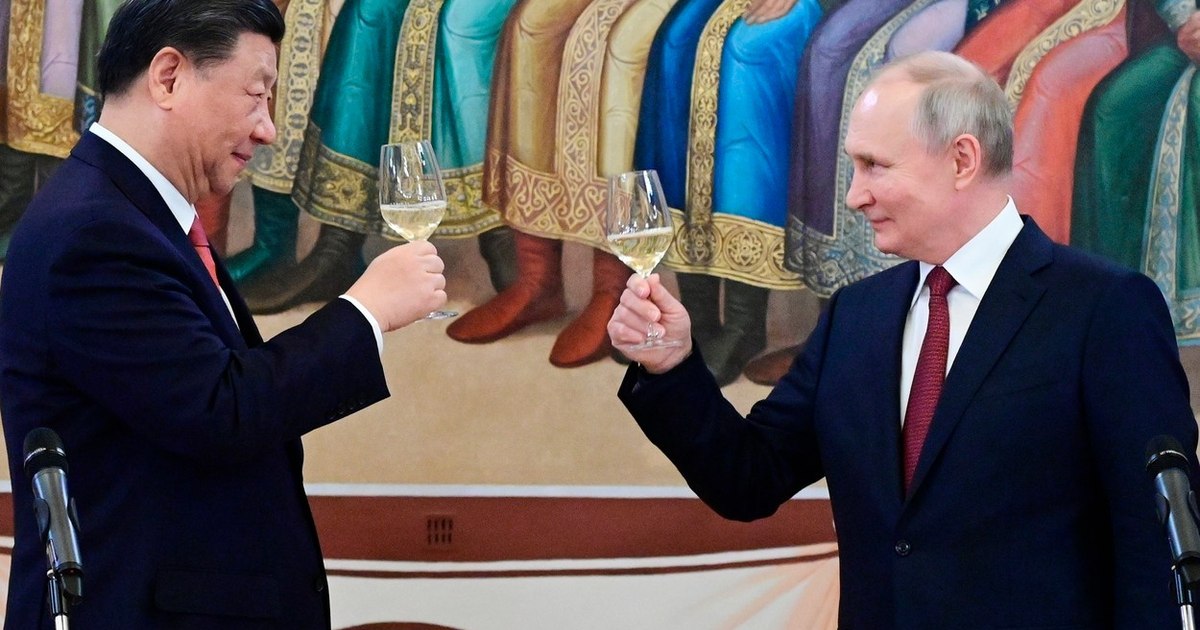
This is not a game for peace, but for domination. And Putin knows the rules better than anyone else. The US political scientist has no illusions: Trump was fooled

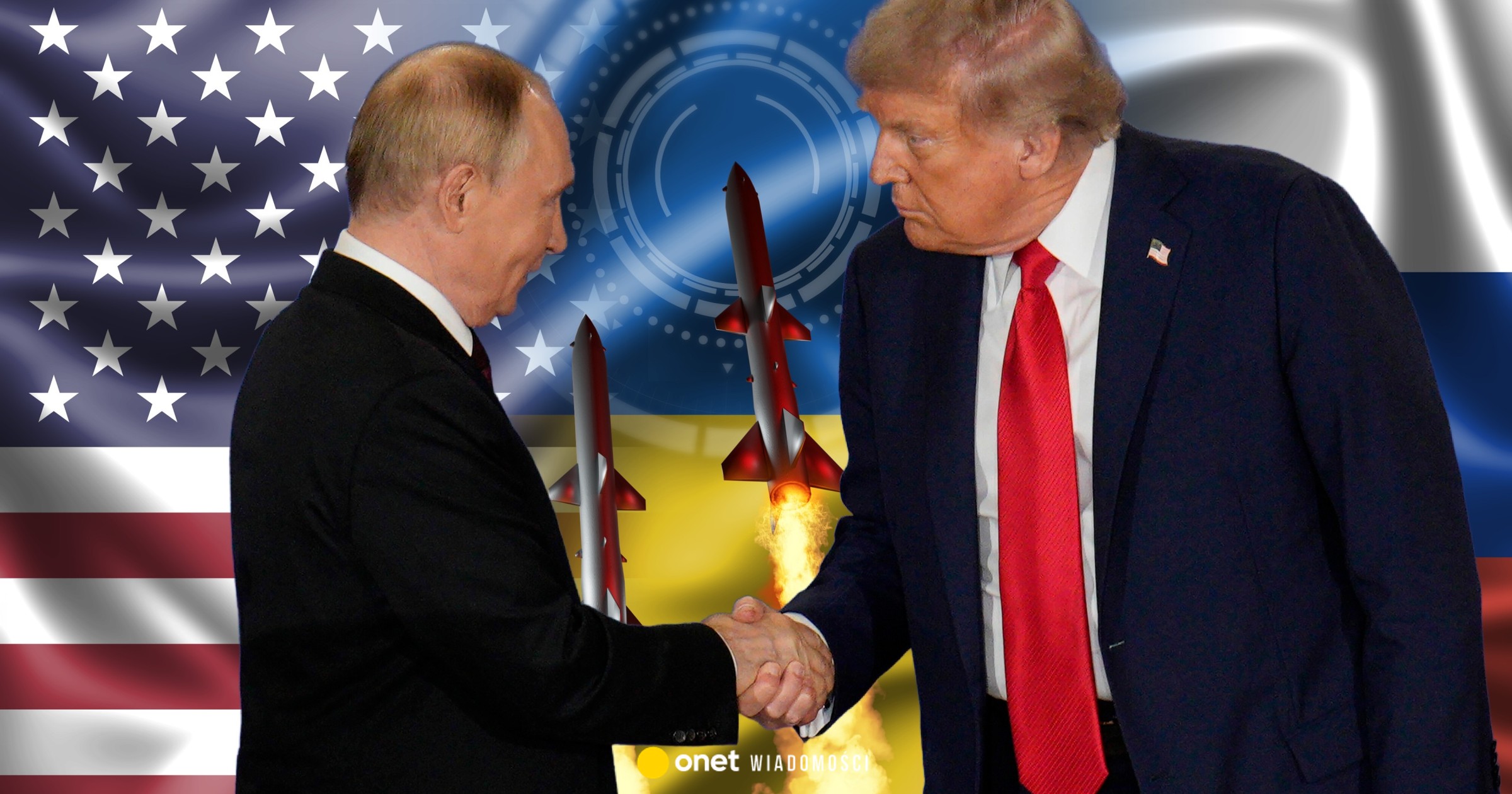
One of Trump's main promises during the election campaign was a quick end to the Russian-Ukrainian war. When saying this, he referred to his good personal relationship with Vladimir Putin. But nearly a year after his inauguration, Trump is still unable to achieve peace — neither phone calls with the Russian president nor a historic meeting in Alaska in August helped him.
After the failure of Trump's peace efforts in Anchorage, American political scientist Celeste Wallander wrote an article for Foreign Affairs in which criticized Trump's policy towards Russia and Ukraine and emphasized that the American president had chosen the wrong strategy to build diplomatic relations with Putin from the very beginning.
During the Barack Obama administration, Wallander served as special adviser to the president and senior director for Russia and Central Asia on the U.S. Security Council. During Joe Biden's presidency, she was an international relations adviser at the US Department of Defense. The editors of the Meduza website asked the political scientist why she thought that Putin is still ahead of the American president.
The diagnosis of the political scientist from Washington is cold, specific and without mercy for Trump. Step by step, Wallander reveals why Putin still controls the pace of this game.
Meduza: On August 15, Vladimir Putin met with Donald Trump in Alaska. In your article, you called this meeting an example of how not to conduct diplomacy with Russia. What was the main reason that the summit ended with Putin's success and the failure of the American side?
Celeste Wallander: First of all, the meeting was a success for Putin because it took place at all. He was invited to the United States despite an arrest warrant issued by the International Criminal Court (ICC) for his war crimes. Second, the talks provided the perfect opportunity for him to once again announce his permanent conditions for ending the war in Ukraine — without any compromise. There was no question of any real negotiations.
Two months later, on October 16, Trump and Putin agreed to hold a second meeting in Budapest during a telephone conversation. However, less than a week later, Trump announced that the summit is postponed. Was it a big surprise?
It is hardly surprising that there are changes and turns in the United States' policy towards Russia and Ukraine. I wasn't surprised that Trump wanted to meet with Putin again. What was more surprising was that Trump publicly tightened his demands for terms [zakończenia wojny] — and so much so.
In the weeks leading up to his first announcement of the new meeting, Trump had suggested he was willing to provide long-range missiles to Ukraine. He shared his thoughts that Ukraine could regain all of its territory and that the United States would support it. However, after a telephone conversation with Putin, he abandoned these declarations.
It looks like Putin got everything he wanted. Namely, the announcement of the meeting in Budapest, which was a signal that Trump was willing to go anywhere just to see him. The Russian president has proven that the United States wants a meeting with him more than he needs it.
After the meeting in Budapest was canceled, Sergei Lavrov stated that Russia was not yet ready for a ceasefire. Russia's position has not changed since the meeting in Alaska, and Trump continues to demand a truce. Could Putin have told Trump something over the phone that Lavrov didn't say publicly?
From the statements of Russian politicians and information in the media, we can conclude that during the telephone conversation, Putin expressed great concern that Trump might approve the delivery of long-range missiles to Ukraine. Immediately after hanging up the phone, Trump announced that he no longer shares this idea and does not intend to implement it.
The issue of strengthening Ukraine's military potential, which was a means of pressure, was withdrawn from the agenda. Perhaps that is why Putin agreed to meet with Trump. However, Trump later began to demand a ceasefire again. The Kremlin apparently believes that a ceasefire is beneficial to Ukraine and was not ready to make it the main topic of the meeting in Budapest.
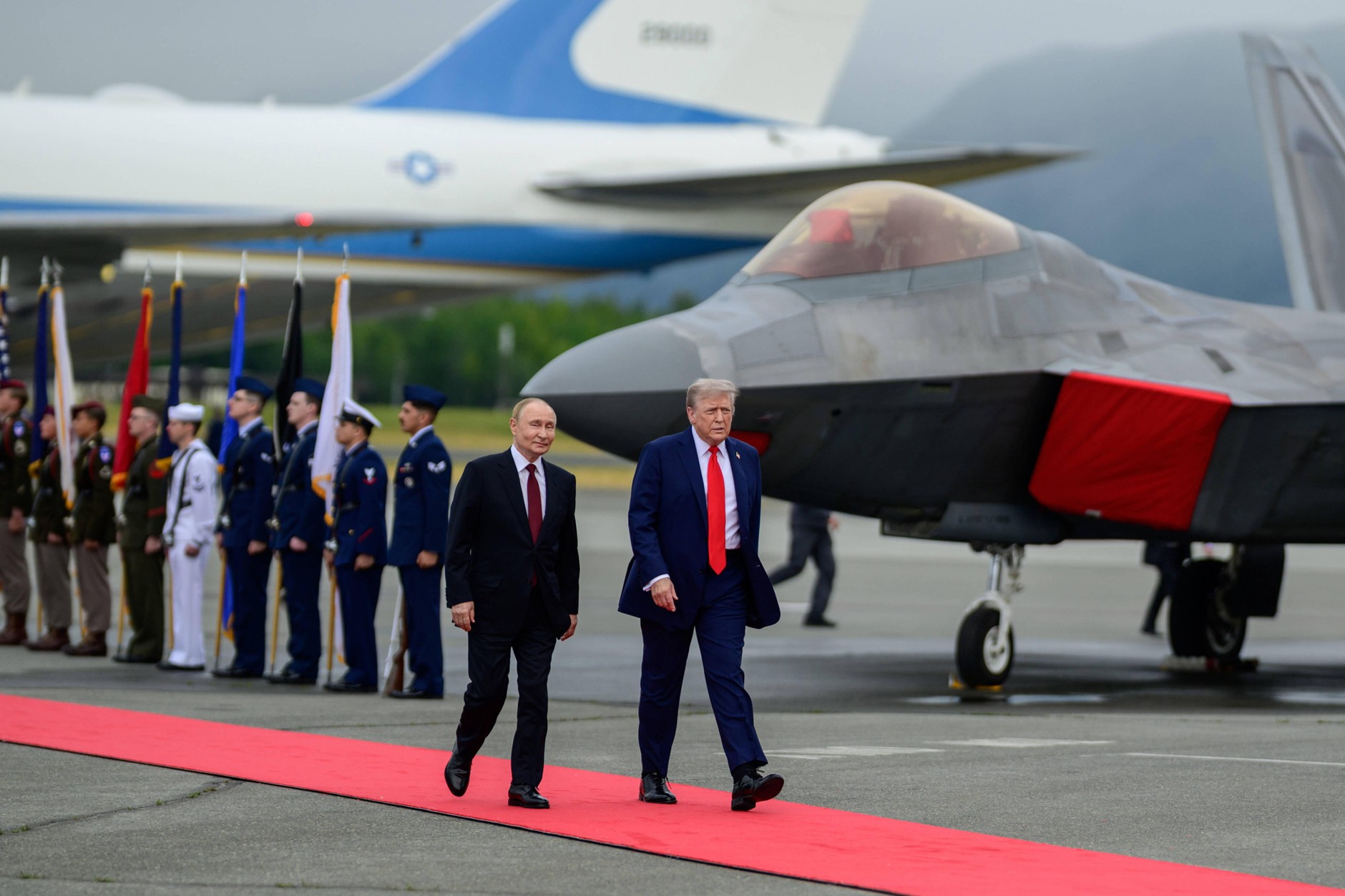
United States President Donald Trump welcomes Russian President Vladimir Putin to Anchorage. Alaska, August 15, 2025The White House / PAP
Volodymyr Zelensky said that deliveries of long-range missiles could be decisive. He stated: “As soon as the problem of long shots [na terytorium Rosji] became less urgent, Russia lost interest in diplomacy.” In this way, missiles in his interpretation may turn out to be “the key to peace.” Do you agree?
What may change Putin's course is not individual types of weapons, but a comprehensive strategy to strengthen Ukraine and weaken Russia.
For the Kremlin to ever change its demands for a peaceful solution to the conflict, it will be necessary to exert various types of pressure on it: economic, military and political.
In the current conditions, the Kremlin will apparently not change its position.
What can really break the Kremlin?
In an article for Foreign Affairs, you emphasized that the Putin regime, unlike the USSR regime, does not have collective management. You also wrote that there is a “personalized authoritarian system” in Russia the only source of power is Putin himself. If he does not risk losing power due to foreign policy failures, because he does not have to answer to anyone in Russia, is it even possible to put significant pressure on him from outside?
This is where the crux of the problem lies. There is no quick and easy solution. For the pressure to be effective, the Russian economy would have to be in a much worse condition.
I don't enjoy the thought of Russians losing sons in war or facing an economic crisis – but you can't hit the leader without hitting the country.
Much more extensive sanctions are needed: not only freezing Russian assets, but also confiscating them and transferring them to Ukraine. This is a strategy for years.
Discussions about such sanctions are ongoing in Congress. Republicans have even proposed 500 percent tariffs against China to force it to stop importing Russian energy carriers. This step could harm the US economy. Should Trump take it up?
Such a measure will harm the economy not only of the United States, but of the entire world. This is a serious decision. But if President Trump truly intends to reach a peace settlement, he should support this initiative.
New meeting between Putin and Trump can still take place. Will Trump be able to weaken Putin's position instead of strengthening it – as in Alaska?
Yes, Trump could regain the initiative. But to achieve this, two conditions would need to be met. Firstlyintroducing much tougher sanctions against Russia and limiting its access to technology, dual-use goods and international financial services.
Secondly: The United States should not only provide long-range missiles to Ukraine and allow Europeans to purchase weapons for Kiev, but also return to the full-scale military assistance of the Biden administration.
Such a move would show the Kremlin that Ukraine has the full and lasting support of the West, and that time is not on Moscow's side. Today, Russia has an advantage on the front because the US has limited the scale of aid.
Even though none of these conditions had been met, in mid-October Trump still declared that he could convince Putin to “deal.” Do you think Trump understands the pressure this requires on the Kremlin? Or does he simply overestimate his own abilities?
President Trump is one of many Americans who do not understand how much Putin wants to regain control of Ukraine. I mean control in the imperial sense.
There is a deep-rooted illusion in many expert circles in the United States: if Putin is shown the possible economic benefits of peace or warned against excessive dependence on China, he will assume that “Ukraine is not that important.”
This is what both Trump and those around him in the White House think. But what's interesting: none of them are experts on Russia. They didn't study it, they didn't listen to what Putin said. They also do not pay attention to what people close to the Kremlin claim.
America doesn't decide alone
Trump's entourage lacked people with experience in international politics. We can mention, for example, Steve Witkoff, Trump's special envoy, who talked to Putin in the first half of 2025. However, already in October, Trump stated that Witkoff “did not understand anything” about Russia's policy at that moment. He entrusted Secretary of State Marco Rubio with preparing the next meeting. Could this change the dynamics of the conversations?
Perhaps this is actually a step in the right direction. But it all depends on whether Rubio will listen to the professional diplomats at the State Department — people who really know Russia and Putin. We have a whole generation of experts who have been dealing with this topic for years. Most of them left or were pushed aside because their knowledge was not welcome. We'll see if Rubio is willing to listen to them.
Even if he is ready, the ultimate question is whether Trump will listen to Rubio.
Yes, that's the problem. One of the difficulties of working for the president is that sometimes you have to tell him things he doesn't want to hear. During my career in the Obama and Biden administrations, I sometimes had to propose measures to management that they did not welcome. For example, ones that would mean a more difficult path or would not coincide with their course at all.
The article continues below the video
Could you give an example of a situation when Biden's decisions regarding Russia or Ukraine were not in line with your recommendations?
This concerned mainly tactical issues. The Pentagon often recommended transferring more advanced weapons to Ukraine or expanding soldier training, but the White House saw it differently. The disputes were usually not about “if” aid should flow, but about “when”.
One such example is ATACMS missileswhich Ukraine received only two years later. Biden clearly supported Ukraine and did not try to be a mediator like Trump. So why did he delay?
From the very beginning of the Russian invasion in 2022, President Biden emphasized that one of Russia's goals in this conflict is to divide NATO, causing disputes and chaos within the organization. Therefore, the White House was very careful not to take actions that could lead to disputes within the alliance.
Sometimes this meant making decisions that did not go beyond the “comfort zone” of all NATO countries. Putin wants to impose the narrative that this war is a clash between NATO and Russia — that is why it was necessary to choose the types of military support very carefully to clearly show that it was about the defense of Ukraine, and not about NATO fighting with Russia.
In October, the leaders of some EU countries, together with Zelensky, published a statement asking for a ceasefire and suggested that the current front line should be the starting point for negotiations. They also emphasized that borders cannot be changed by force. It appears that European leaders are trying to remind Trump of Europe's position. Does this signal work? Does Trump even care what Europe thinks?
This statement makes clear that the United States cannot alone decide what a deal with Putin might look like. To achieve a lasting truce and, in the future, peace, both Ukraine and Europe must be parties to this process. The Europeans are sending a signal – maybe to the US, or maybe directly to Putin – that it is impossible to “reach an agreement” with Trump over their heads. It is a reminder that Ukraine and Europe have not only the right to vote, but also the right to veto on peace terms.