People think of speed as something that increases exponentially. And I suppose that's how it should be for the human brain. However, if you have ever driven at a speed of 240 km per hour and then increased that speed to 290 km per hour, even though this is only 20% difference, you know it is huge
says Andy Wallace, racing driver.
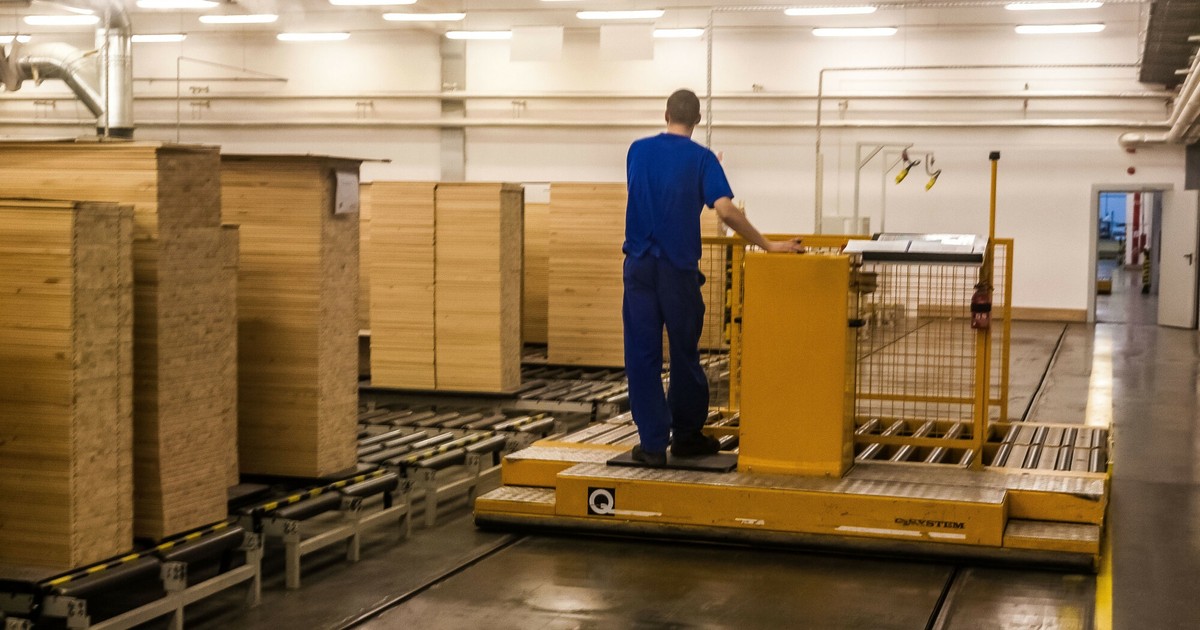
This is Andy Wallace, the driver of a Bugatti traveling at 480 km per hour.
— Aerodynamics, downforce, lift, air resistance, all increase in proportion to the square of the speed. For example, if you are driving a car that can accelerate to 435 km per hour, the efficiency needed to accelerate that car to 450 km per hour is is huge, he explains.
The force needed to overcome air resistance is the most terrifying
The increase in power needed to push an object through the atmosphere is proportional to the cube of the speed.
To put it simply, a car that needs 200 horsepower to overcome air resistance at 140 miles per hour would need 1,600 horsepower, or eight times as much, to reach a speed of 480 miles per hour.
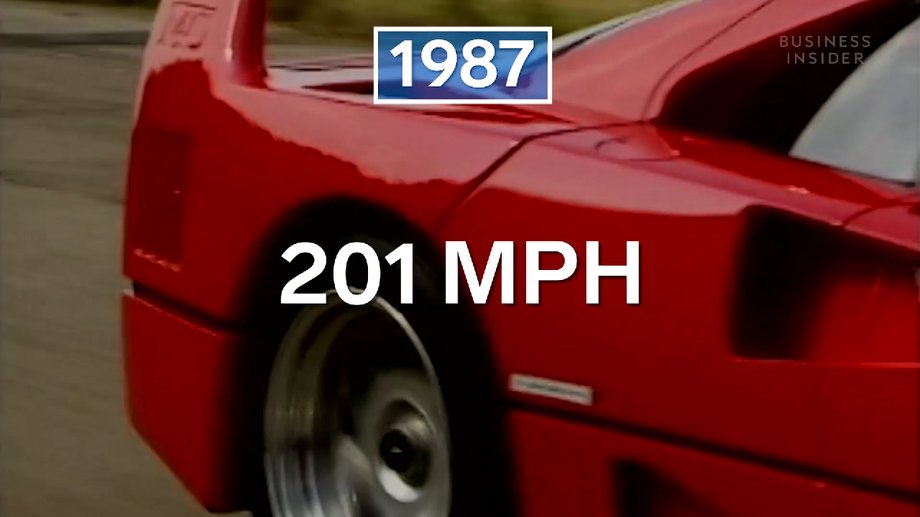
Why did it take 15 years to increase the speed by 80 km/h?
|
Business Insider
Building a car that reaches a speed of 480 km per hour. however, it's not as simple as building a monster engine. First, you need to start with the tires. They are not the most complicated part of the car, but they are the only ones that touch the road, so they are one of the most important. And at speeds of 480 km per hour, when a puncture or blowout can result in disaster, tires are of paramount importance.
At this speed, the Bugatti's tires, rotating 68 times per second, had to withstand the seven tons of breaking force that tried to tear them apart. To give you an idea of how intense this phenomenon is, the tires in a Porsche 911 traveling at full speed only experience about three tons of this force.
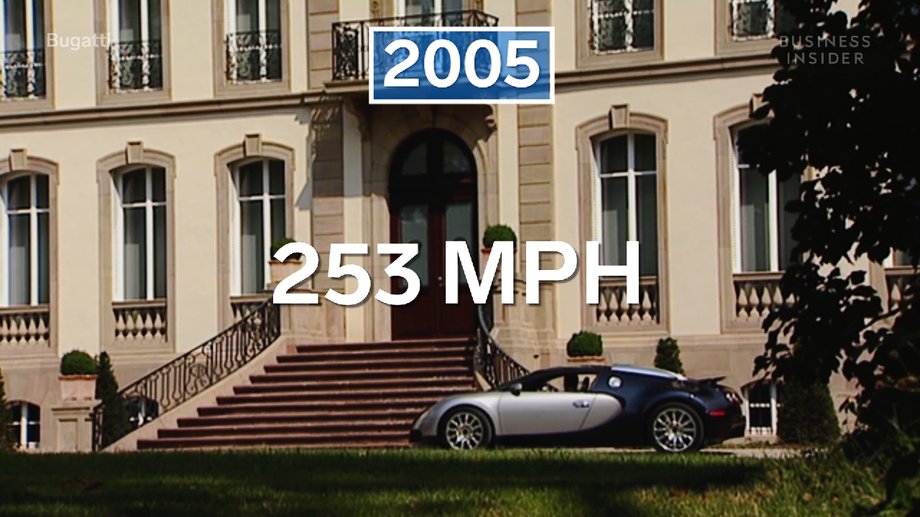
Breaking the speed limits becomes more and more difficult
|
Business Insider
– One of the things that needs to be done is to keep the tire from changing shape, because these huge breaking forces would cause the tire to look like a crown on the top. The tires had the same casing and were similarly shaped as the regular Chiron tires. However, the last layer of the steel belt, which goes onto the tire before the rubber is applied, has been strengthened. The most difficult thing was that the engineers didn't want to increase the weight of the tire, explains Andy.
What tires does a car that reaches a speed of 480 km per hour have?
For this purpose, Bugatti chose every engineer's favorite material: carbon fiber. It can be 10 times stronger than steel, but five times lighter. After adding a thick layer to the tire carcass, the layer of rubber under the tread that is responsible for absorbing shock, Bugatti engineers had to test it.
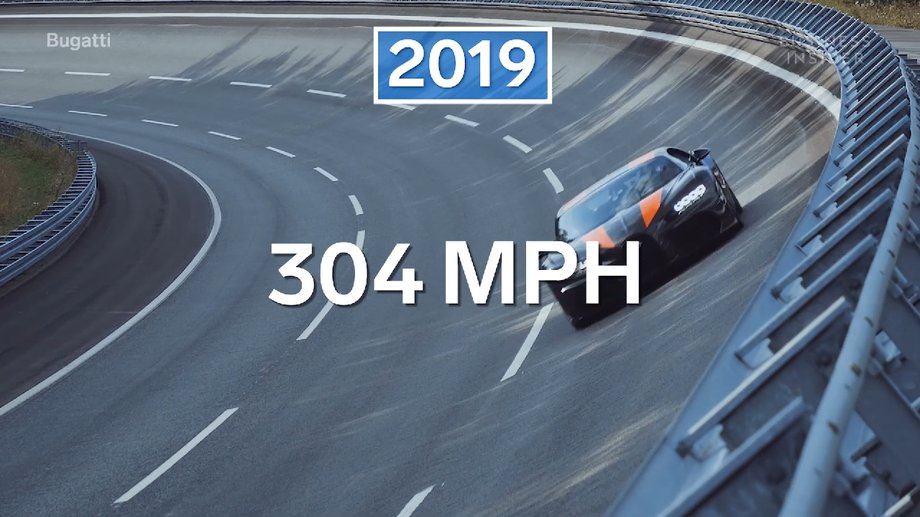
Speed increase by 80 km per hour it took as long as 15 years
|
Business Insider
To make sure the tire could handle speeds of 300 miles per hour, they brought it to Michelin's test center in North Carolina. Using the same testbed used by companies like NASA, they found that the tire can withstand up to 512 km per hour before it warps. But even the strongest tire means nothing without the power to help it turn.
To find out how much power is needed, just look at one of Bugatti's biggest competitors in the race to reach a speed of 480 km per hour, Hennessey. The company's Venom F5, which is rated at a top speed of 300 miles per hour, is equipped with a 6.6-liter V-8 engine that produces an astonishing 1,817 horsepower.
To produce more power, the engine must burn more gasoline, which requires more air. One of the most common ways to get more air into your engine is with turbochargers.
The Venom F5 not only uses powerful twin turbochargers, but also reaches very high revs. RPM stands for revolutions per minute and is used to measure how fast the engine is turning.
Generally speaking, the faster the engine rotates, the faster it burns air and gas, and as a result, it produces more power. A smaller engine with smaller, lighter parts can rotate faster with greater efficiency, but it also wears out faster than a larger, lower-rpm engine. All this must be taken into account when choosing an engine for breaking speed records.
The biggest obstacle to achieving a speed of 480 km per hour. there is air
The air resistance a car encounters as it approaches this speed can be compared to what we encounter when swimming.
Air resistance is proportional to the square of the speed. Speed increase from 320 km per hour up to 480 km per hour roughly means doubling the energy encountered. At a speed of 320 km per hour it's more like the aerodynamics of an airplane. The air couples in front of the vehicle and takes a different path over the body than at lower speeds
– explains Christian Von Koenigsegg, founder of Koenigsegg Automotive AB.
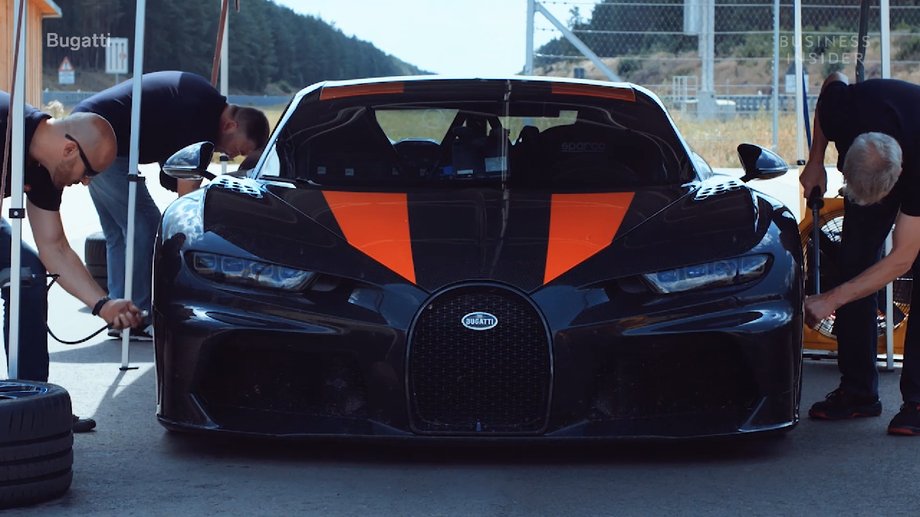
Bugatti Chiron Super Sport breaks the record
|
Business Insider
Therefore, the goal of engineers designing hypercar bodies is to eliminate air resistance as much as possible. No car does this better than Koenigsegg's Jesko Absolut.
The Absolut, based on the Jesko hypercar, is estimated to be capable of reaching a speed of 530 km per hour. Like Bugatti's record-breaking Chiron, it has a longer and flatter spoiler. This ensures smooth airflow at the rear of the car. Without this, the airflow is more likely to split, which would only increase its resistance.
The car also copes better with other types of resistance. The standard Jesko has a massive rear wing that increases downforce during tight corners on the track. This is the force acting on a car traveling at a speed of 480 km per hour. however, it would only slow down the ride.
Removing the spoiler reduced the maximum downforce from over 1.36 tons to just 150 kg. To prevent the Jesko Absolut from flying off the test strip, the massive rear wing was replaced by two small fins. They may look small, but they redirect the turbulence-creating vortex of air generated behind a speeding car. And those sharply cut side vents do more than just cool the engine.
— They act like little “side parachutes.” They are fully efficient at speeds over 200 miles per hour. If they worked better at lower speeds, they would be too limiting at higher speeds. They would cause a lot of blockages, explains Christian.
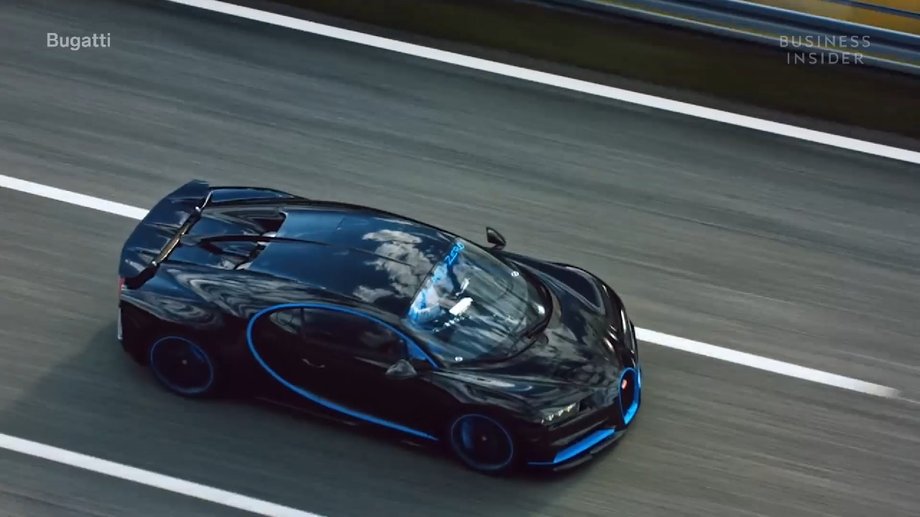
Bugatti broke the barrier of 480 km per hour. No one has done this before
|
Business Insider
These impressive manufacturer innovations would not be possible without advanced testing. Aerodynamic simulation that took a week 10 years ago can now be completed in three or four hours, enabling new solutions to be tested immediately.
Bugatti was already the first to reach a speed of 380 km per hour, but car manufacturers are constantly chasing the next record.