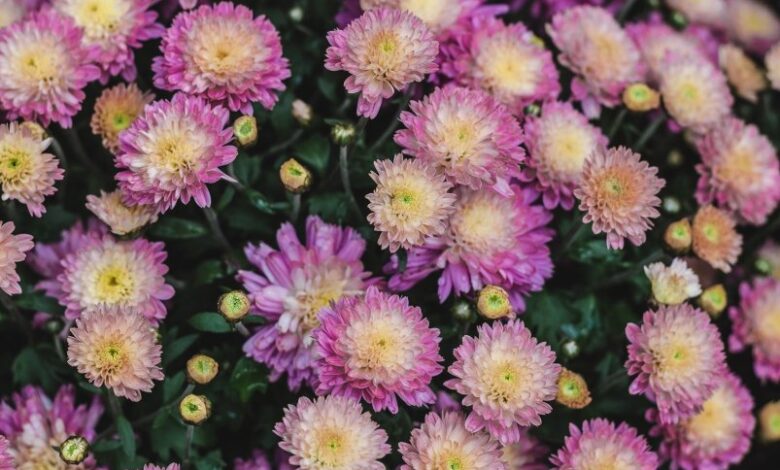
Chrysanthemums are a true symbol of autumn. However, even the best variety and careful care will not save the plant if it is planted in the wrong place. The author of the Zen channel “Chrysanthemum Garden” (16+) emphasized that chrysanthemums are very sensitive to environmental conditions. The choice of location is a key factor on which not only lush flowering depends, but also the very survival of the plant.
Where you can’t plant chrysanthemums because they won’t take root
In lowlands and places where water stagnates. Chrysanthemums do not tolerate excess moisture. If they are planted in an area where there is standing water after rain, the roots will begin to rot, and the plant itself will quickly lose turgor and die. In addition, constant humidity creates favorable conditions for fungal infections – powdery mildew and gray rot, which instantly affect the bushes. It is better to choose a slightly elevated place for planting with good drainage.
In the shade under trees or near a high fence. Chrysanthemums are sun-loving flowers. Without daily lighting, at least up to 5 hours, they stretch out, turn pale and practically do not form buds. Plant chrysanthemums in open areas where the sun shines in the morning until lunch, and then there is light shade.
Where there are drafts. Strong wind is the enemy of chrysanthemums. Their stems are brittle and the root system is shallow, so constant wind not only breaks the branches, but also dries out the soil. In addition, cold drafts disrupt the process of bud formation, and the flowers simply will not bloom. Choose a place protected on one side by a fence or bushes, but with free air circulation.
Near concrete or paved surfaces. Concrete and asphalt overheat in the sun, releasing heat during the night. This microclimate depletes chrysanthemums, especially in summer. In addition, next to hard surfaces, the soil often dries out, and the roots do not receive enough oxygen. Maintain a distance of at least 1 meter from any artificial surfaces or structures.
In the place where asters and dahlias used to grow. These plants have common diseases and pests. If you plant chrysanthemums in the same place, there is a high risk of soil infection with fungal spores or larvae. Give a break of at least two years before planting chrysanthemums after these flowers.