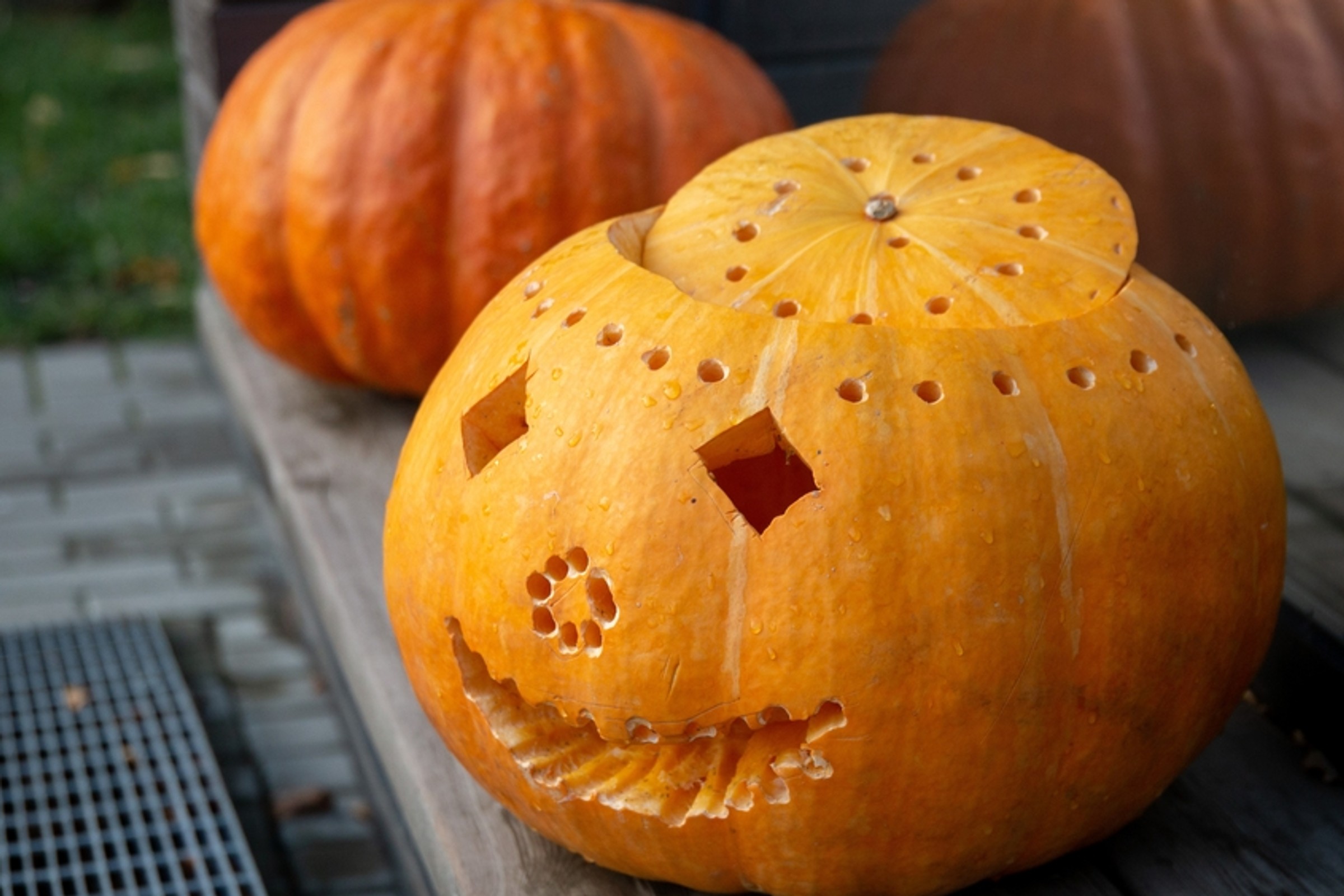
The Environmental Protection Institute – National Research Institute – published a report showing how Halloween affects food waste. Citing the British organization Hubbub, IOŚ reports that in 2024, during the pro-ecological campaign, approximately 100,000 tons were collected and processed into biogas. thrown pumpkins, and the energy generated in this way was enough to power 10,000 houses for one day. Meanwhile, according to estimates, every year the British waste between 15 and 22 million pumpkins, and this number is growing every year.
According to the Institute of Environmental Protection report, pumpkins purchased for autumn decorations, including for Halloween, end up as waste, even though their flesh and seeds constitute nutritious food.
“They undergo anaerobic decomposition, resulting in the production of methane – a greenhouse gas with a much higher global warming potential (GWP) than carbon dioxide. In this way, the seemingly innocent tradition of decorating pumpkins contributes to greenhouse gas emissions and economic losses,” wrote the IOŚ report.
The article continues below the video
How many pumpkins do Brits throw away every year?
What can you turn rotten pumpkins into?
What are the costs associated with pumpkin production?
What threats do rotting pumpkins pose to the climate?
It takes up to 250 liters of water to produce 1 kg of pumpkin
According to the Institute of Environmental Protection, pumpkins should be used for animal feed, and if they show signs of spoilage, they can be converted into biogas in the anaerobic fermentation process and used to produce electricity, heat or fuel. However, this requires an appropriate system for segregating and directing organic waste to biogas plants.
— Each unused pumpkin is not only a wasted food product, but also wasted water, energy and work put into its production. To produce 1 kg of pumpkin in Polish conditions, 150 to 250 liters of water are needed – emphasizes Dr. Eng. Sylwia Łaba from the Institute of Environmental Protection – National Research Institute, head of the SMART-FOOD project.