“Extensive mafia structures have consolidated their position and create a parallel society that poses a challenge not only to the police, but also to the justice system,” writes the judge, who remains anonymous for security reasons. According to the information he provides, he is one of only 17 investigating judges in Antwerp who are targeted by criminals because of what they do. Some of his colleagues had to live with their families in places under police protection, and he spent four months in a hidden location.
In the letter, the judge describes how Belgium is increasingly approaching the situation prevailing in Latin American narcostates. “The drug state is characterized by an illicit economy, corruption and violence,” it says. In the letter, he gives examples and evidence to support his words.
Investigations and investigations have shown that billions in drug trafficking profits are now being laundered in Belgium by investing the money in real estate. This increases prices for ordinary citizens. However, there are not enough investigators to counteract these machinations.
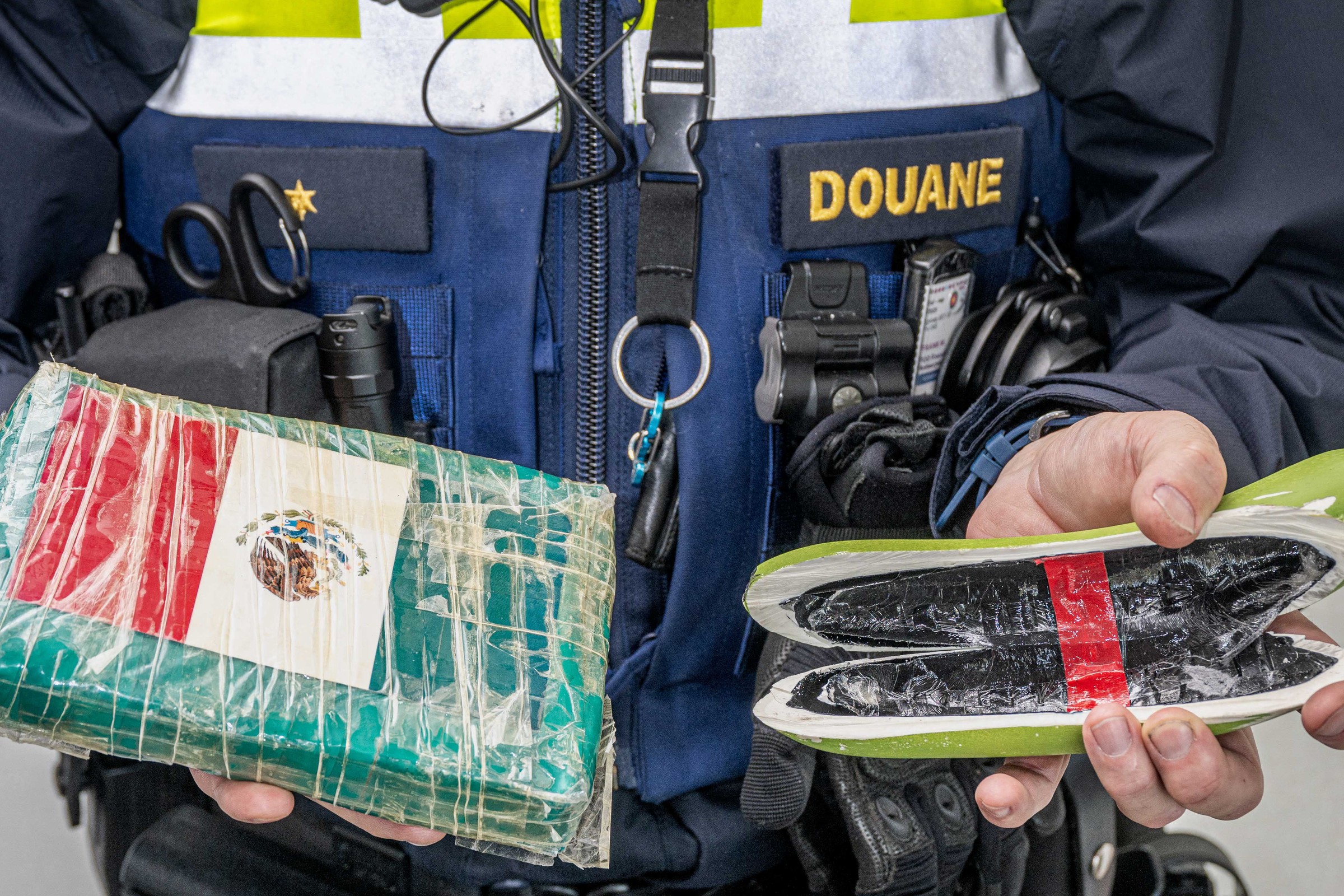
Corruption is now common in the port of Antwerp – its employees are bribed or blackmailed. Passing the container [z narkotykami] it's 10 minutes of work, but it can bring you 100,000. [424 tys. zł] euro, and a sports bag 50 thousand. euro. “This corruption permeates our institutions from the ground up,” the judge writes. This now also applies to customs services, the police and the justice system.
In recent years, Belgium has become the main transhipment point for cocaine in Europe. Moreover, as the annual report of the EU Drugs Agency (EUDA) shows, Belgium is, along with the Netherlands, one of the main centers for the production of synthetic drugs. Along with drug crime, violence in the country is also increasing.
The murder rate is currently the second highest in the EU. The Belga news agency reported in August that there had been 57 clashes involving firearms in Brussels so far. Fights between gangs kill not only drug dealers, but also bystanders.
“These criminal organizations use violence for hire, ranging from murder, torture and kidnapping to threats and attacks, sometimes even against innocent civilians, to maintain their power and eliminate their rivals,” the judge writes in the letter. Two years ago, an 11-year-old girl was murdered in Antwerp. Gangs can simply buy weapons, including bombs and weapons of war, through accounts on apps like Snapchat.
The article continues below the video
The drug mafia still operates from prison
Convicted drug kingpins can continue their activities from prison. “The consequences of cell phone use in prison are apparently significantly underestimated,” the judge writes. “Almost all prisoners appear to have access to mobile phones, and we find evidence of new or continuing crimes on almost all devices confiscated and analyzed.” Investigative files are sent to Dubai and Turkey.
The judge fears the breakdown of the rule of law. “If the justice system begins to fail, it will be a dangerous attack on our democracy,” he writes. It is already difficult to find judges willing to investigate drug cases – the personal risk is too great. Colleagues are ready to make procedural mistakes so as not to be held responsible for the judgments.
The author of the letter calls on the Belgian Justice Commission to change the law so that judges can conduct investigations and work anonymously. Judges and their families must be better protected and the state should cover damages in the event of attacks. It further recommends the introduction of a “signal blocking system” to prevent the use of mobile phones in prisons. As prisons in Belgium are overcrowded, the government is already considering transferring prisoners to Kosovo.
“Despite all the efforts of the police and the justice system, we are no longer able to protect our citizens and ourselves,” the judge concludes. He appeals to MPs to make the fight against the drug mafia a structural priority. “The question is not whether the rule of law may be at risk – it is already at risk.”
I’m Ashley Davis as an editor, I’m committed to upholding the highest standards of integrity and accuracy in every piece we publish. My work is driven by curiosity, a passion for truth, and a belief that journalism plays a crucial role in shaping public discourse. I strive to tell stories that not only inform but also inspire action and conversation.